



For some women, the changes seem to happen almost overnight. You look in the mirror or see yourself in a photo, and your face simply looks different. Maybe your skin seems drier or thinner. Your cheeks may look less full, your jawline may look different, or changes that once seemed subtle suddenly stand out.
Facial aging is gradual, even when our perception of it isn't. You probably won't notice a small change in skin thickness, facial volume, or your face's underlying structure from one day to the next. But over time, several subtle changes can begin to influence one another: drier or thinner-looking skin may make lines more apparent, changes in facial fat can alter contours, and muscle and bone may also play a role in how the face looks. Eventually, the combined effect can become noticeable all at once, in the mirror or in a photo.
Perimenopause and menopause are periods of significant hormonal change, including declining estrogen levels, which affect skin, bone, and other tissues throughout the body. At the same time, the face continues to change with age, genetics, lifestyle, sun exposure, and other individual factors, adding another layer to what's already taking place.
The result is a much bigger picture than any single line, wrinkle, or change in facial shape. Skin, facial fat, muscle, and bone can all contribute to how the face looks over time, so rather than looking for one explanation, it helps to understand each part on its own terms and to keep sight of what matters to you as you move through this stage of life.

Skin: Changes You May Notice First
Skin is often where changes become easiest to see.
Around menopause, declining estrogen levels are associated with changes in collagen, hydration, elasticity, and skin thickness. You may notice that your skin feels drier, looks thinner, or develops more visible fine lines and crepey texture.
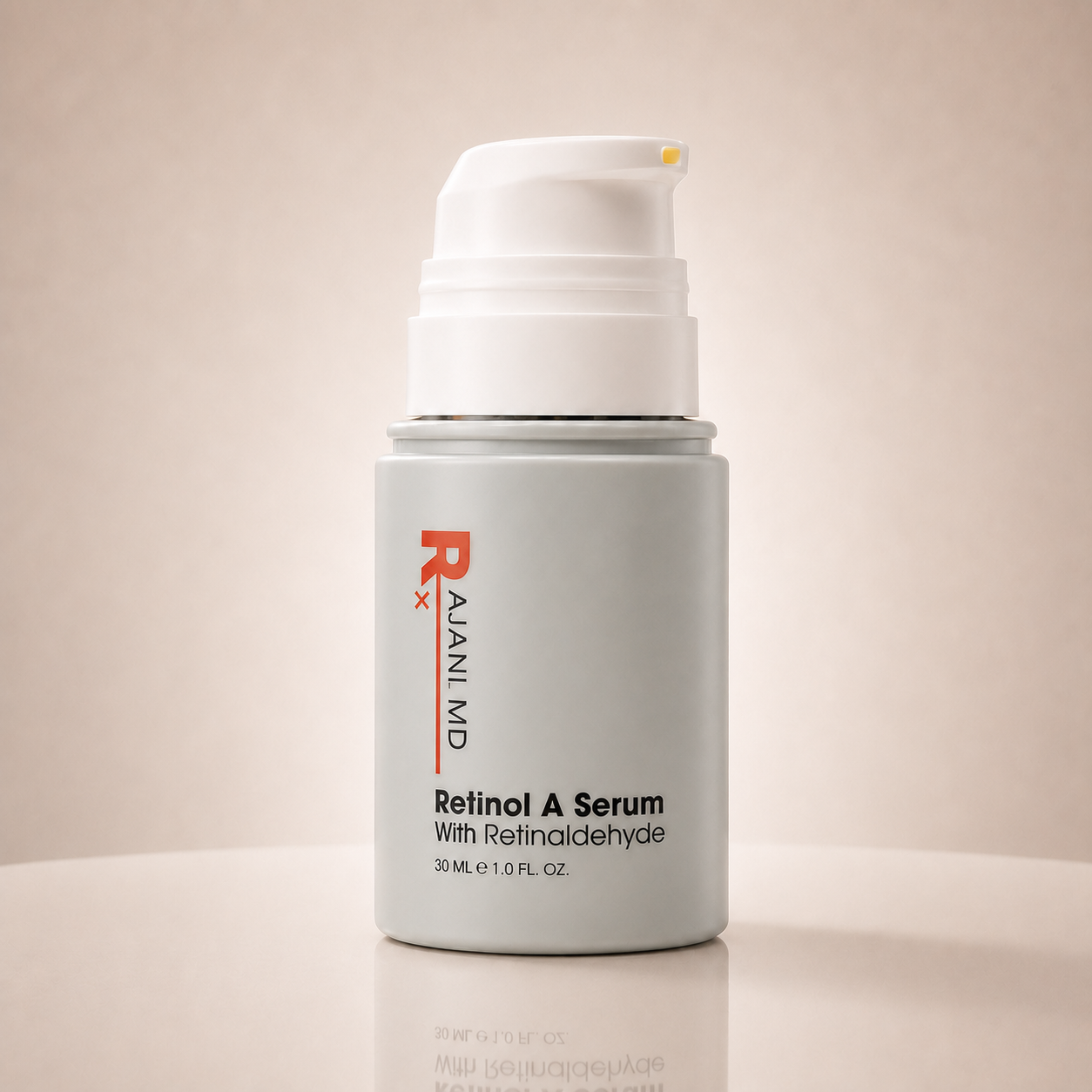
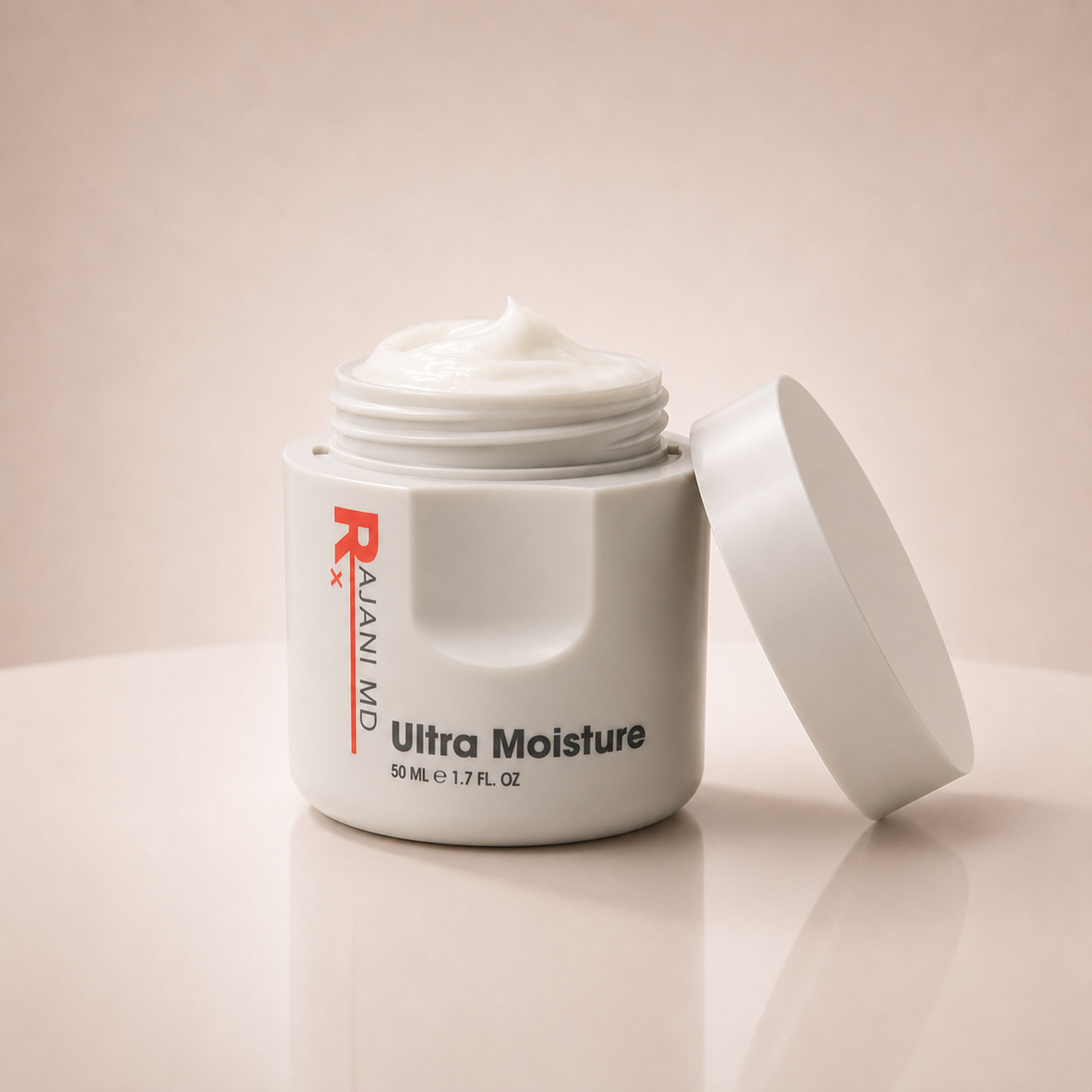
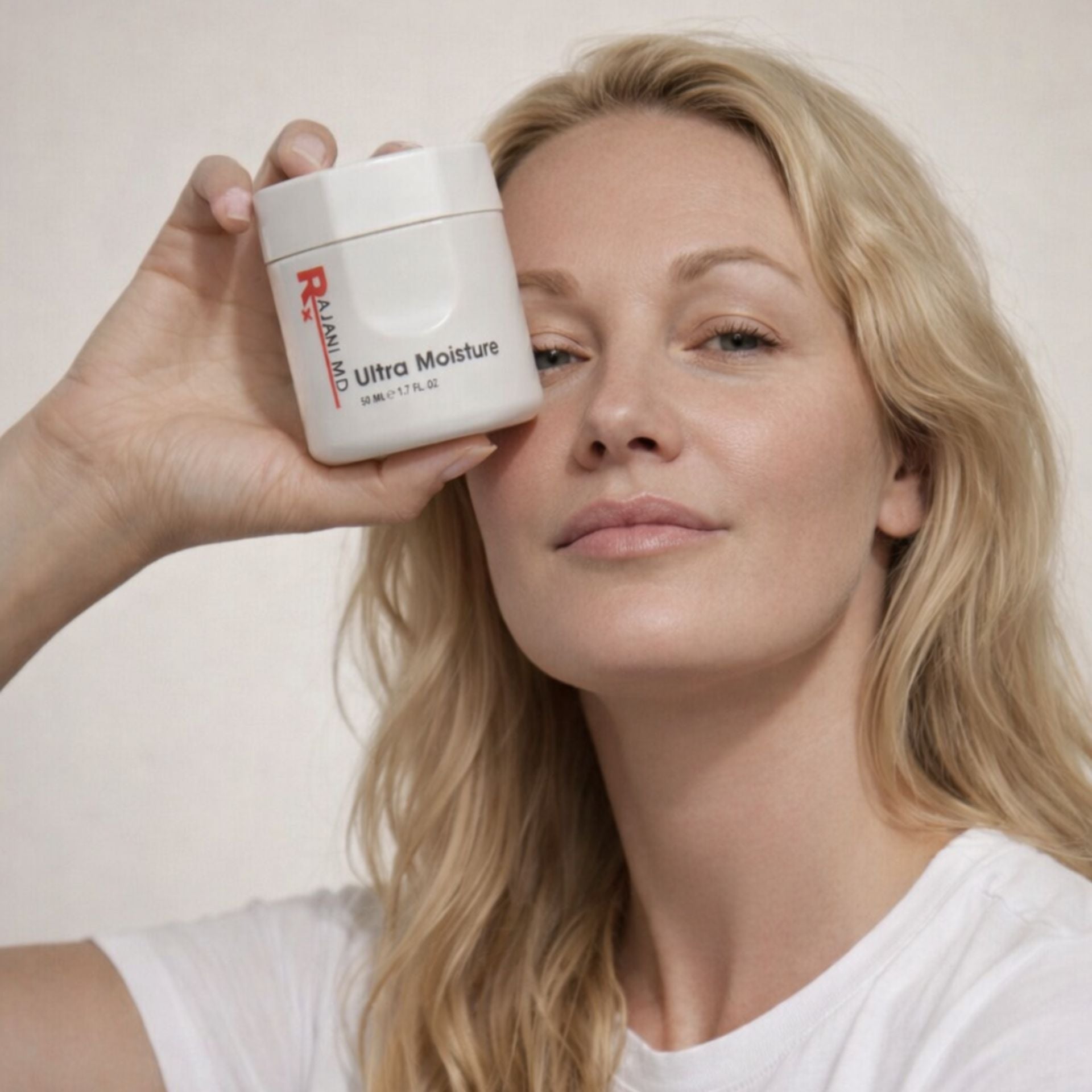
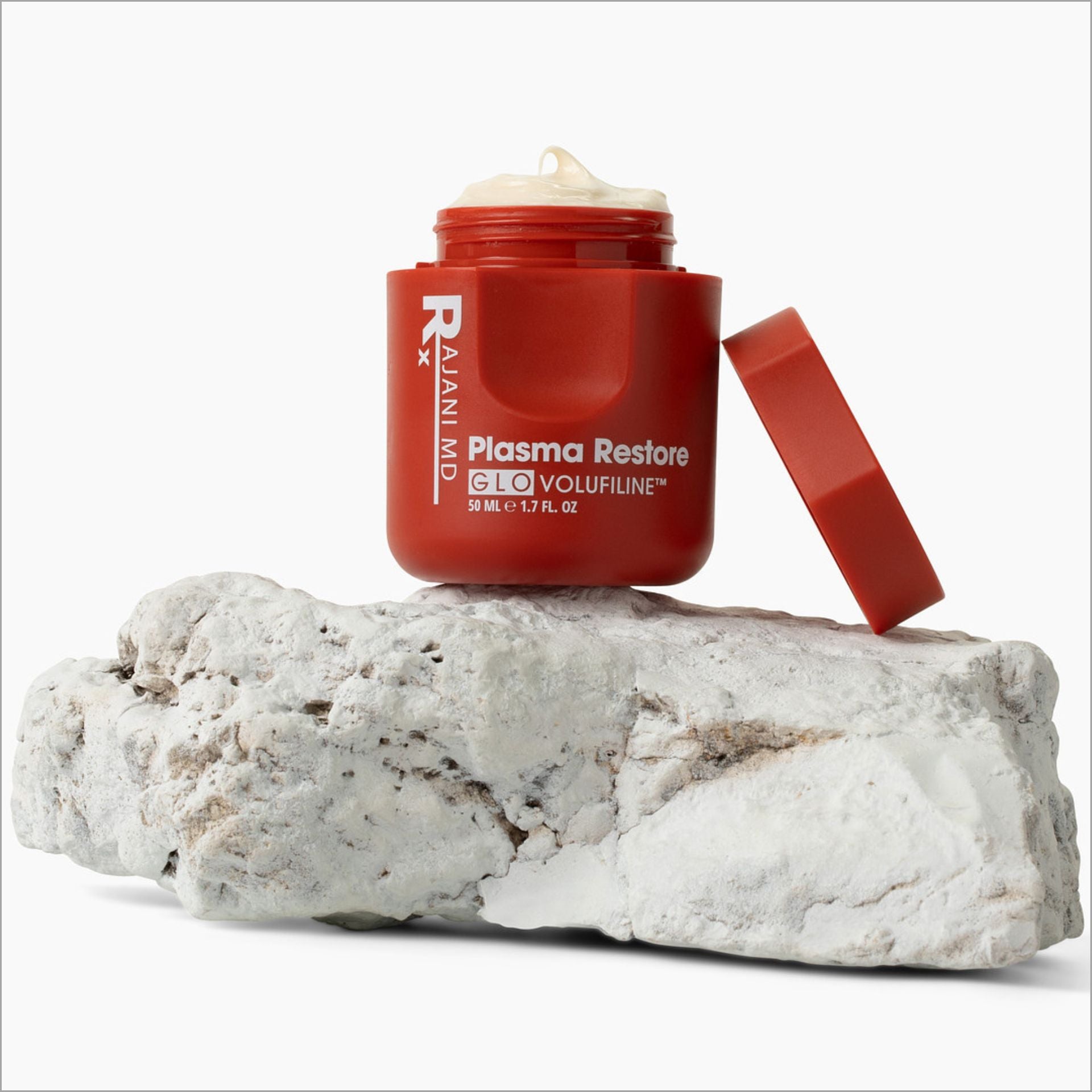
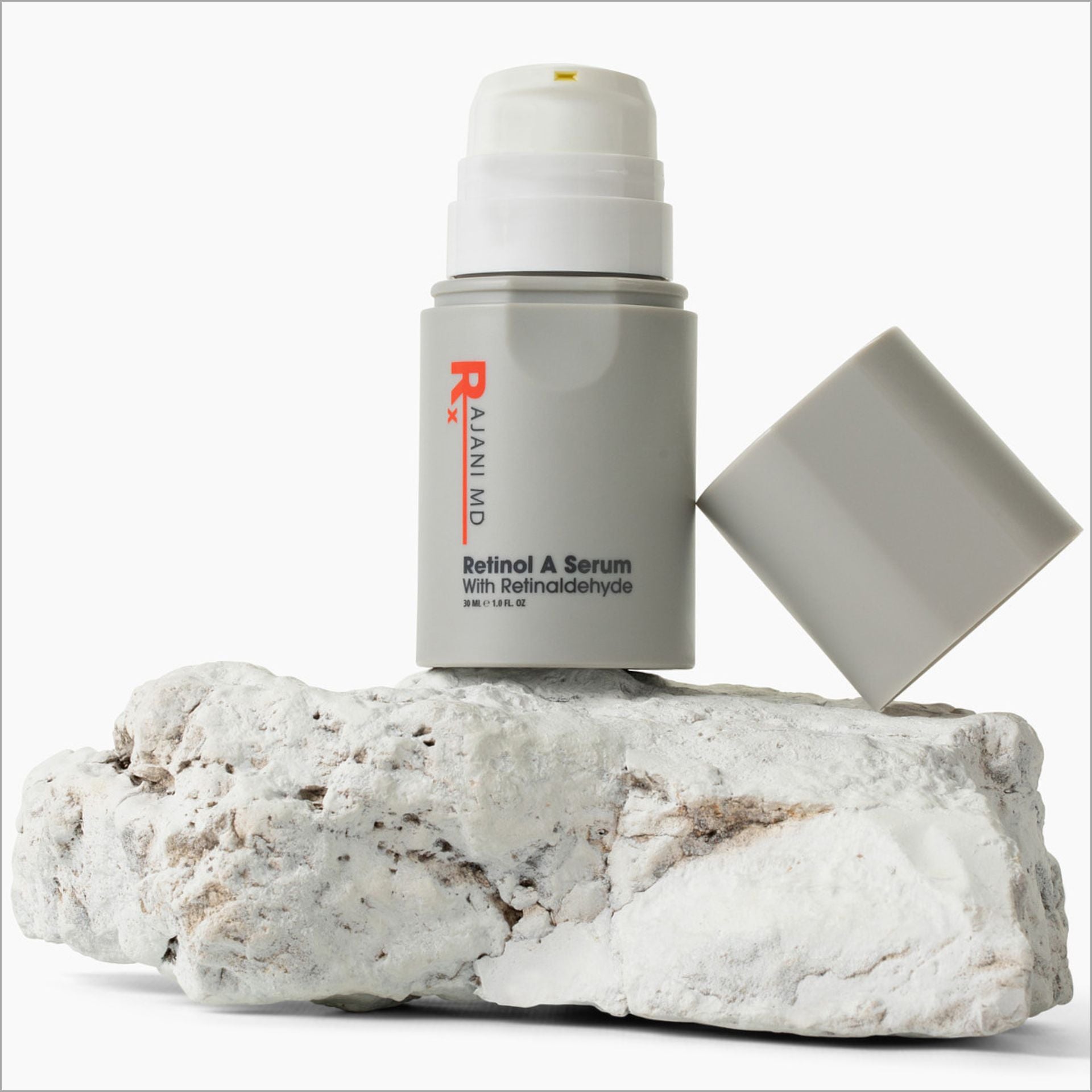
This is an area where your daily routine matters. Sun protection, moisturizers, and skincare selected for your individual needs can help support hydration and the appearance of your skin. Depending on your skin and tolerance, ingredients such as retinoids, vitamin C, peptides, and other skincare actives may also be incorporated.
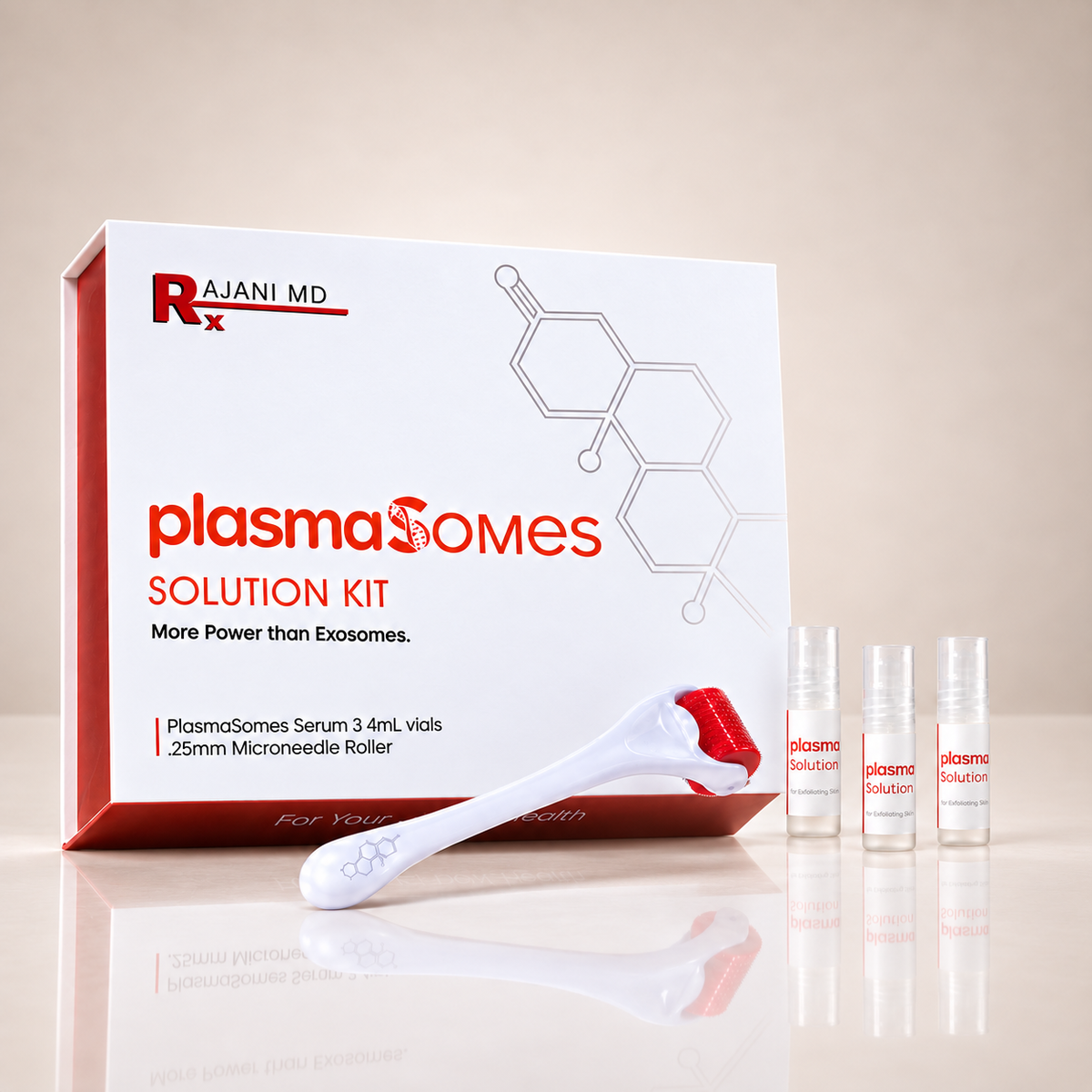
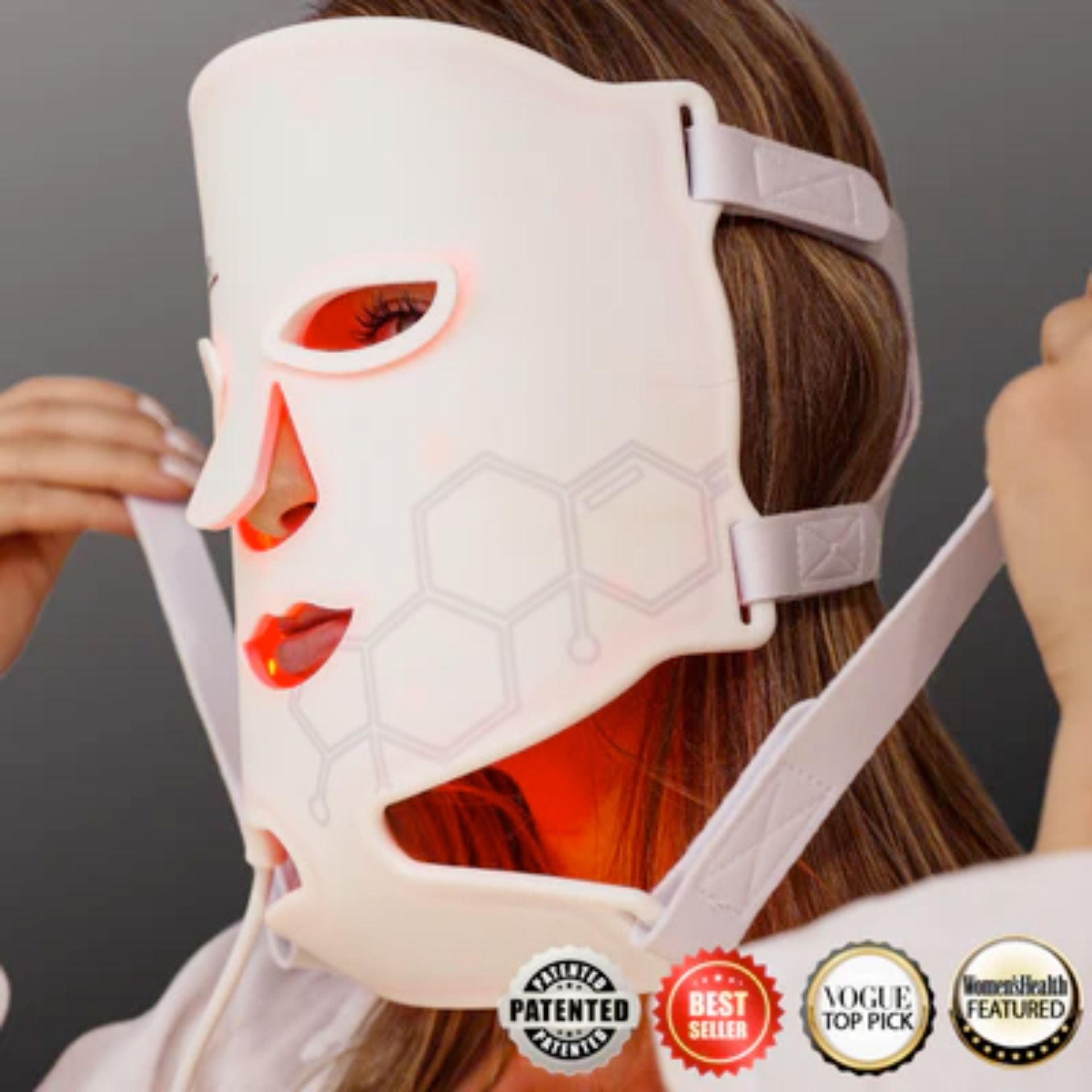
At-home options such as red light therapy and conservative dermarolling may also have a place in a skincare routine when used appropriately.
But the skin is only one part of the equation.
Facial Fat: Fuller and Hollower at the Same Time
Facial fat is arranged in compartments beneath the skin, helping create the contours and proportions we associate with facial shape.
With age, those compartments don't necessarily change uniformly. Some areas may lose volume, while changes in other areas can contribute to greater fullness or heaviness lower in the face.
For example, the temples or cheeks may begin to look more hollow at the same time that the lower cheeks or jawline appear heavier. This can create what seems like a contradiction: your face has lost volume, yet you're also noticing jowls.
What, if anything, you choose to do about these changes depends on the areas involved and your individual goals. Professional options may include approaches intended to restore or support volume, such as appropriately placed filler, biostimulatory injectables, or fat transfer.
A qualified, experienced medical provider can evaluate your facial proportions and discuss which professional treatments, if any, may be appropriate for your individual needs, including their potential benefits and risks. Treatments such as injectables and fat transfer carry risks and may not be appropriate for everyone.

Muscle: Another Part of the Picture
Muscle is another component of facial structure, although its role is easy to overlook. Unlike many muscles in the body, facial muscles are closely connected with the skin and surrounding tissues, allowing us to create expressions such as smiling, frowning, and squinting.
As we age, changes in facial muscle activity, tone, shape, and volume can interact with changes in the skin, facial fat, and bone. Together, these factors may influence facial contours, expression, and the appearance of lines and folds.
While changes in muscle health more broadly are well studied, research specifically on facial muscle changes is limited. However, we do know that the declining estrogen associated with menopause can create changes in skeletal muscle mass and strength.
This makes maintaining muscle health an important part of healthy aging overall: resistance training, adequate nutrition, and other healthy lifestyle habits can help support muscle mass and strength throughout the body.
Bone: The Framework Beneath It All
Bone may be the least obvious part of facial aging because we can't see it directly.
The facial skeleton provides an underlying framework for the soft tissues above it, and its structure changes throughout adulthood, including in areas such as the eye sockets, midface, and jaw. As that underlying framework changes, it can influence the way the tissues above it are supported and, ultimately, the contours we see on the outside.
Bone health deserves particular attention during menopause, since declining estrogen is associated with accelerated bone loss. Supporting it can include resistance exercise, adequate nutrition, and appropriate medical care, and a healthcare professional can help determine whether bone-density screening or other evaluation makes sense based on your age, medical history, and individual risk factors.
Frequently Asked Questions
Why does my face look different during menopause?
Changes in estrogen levels around menopause may affect skin hydration, collagen, and elasticity. At the same time, age-related changes in facial fat, muscle, and bone can influence facial contours. The timing and appearance of these changes vary from person to person.
Can you reverse facial aging caused by menopause?
There's no way to stop the natural aging process, but there are ways to support how your skin, muscle, and bone appear during this stage. Options range from skincare and lifestyle habits to professional treatments, and a qualified provider can help determine what may be appropriate for your individual needs.
What skincare ingredients help with menopausal skin changes?
Retinoids, vitamin C, and peptides are commonly used to help support the appearance of hydration and skin texture, along with daily sun protection and a moisturizer suited to your skin. At-home tools like red light therapy or dermarolling may also have a place in a skincare routine when used appropriately.
Does menopause cause jowls?
Jowls may become more noticeable around menopause, but they cannot be attributed to hormonal changes alone. Age-related changes in skin elasticity, facial fat, and underlying support can all contribute to a softer or less defined jawline.
Understanding the Changes You See
If your face seems different during your 40s, 50s, or around menopause, there may not be one simple explanation. Changes in skin, facial fat, muscle, and bone can all influence facial appearance, from skin texture and volume to facial contours and underlying support.
Depending on your individual needs and goals, you may choose to adjust your skincare routine, consider an at-home device, discuss aesthetic options with a qualified professional, or pay greater attention to muscle, bone, and overall wellness as you age.
Although aging brings changes to your face and other parts of your body, understanding those changes can help you make informed choices about how you care for yourself. It can also help you move through this stage of life with confidence, feeling at home in your own skin.
This content is for informational purposes only and is not intended as medical advice. Individual results and appropriate treatments vary; consult a qualified healthcare provider to discuss your specific needs.
Clinical Studies:
Effects of Postmenopausal Hypoestrogenism on Skin Collagen
Aging of the Facial Skeleton: Aesthetic Implications and Rejuvenation Strategies
Intra-Individual Aging of the Facial Skeleton
Photobiomodulation Reduces Periocular Wrinkle Volume by 30%: A Randomized Controlled Trial
More Videos:
Menopausal Skin - My Patient Conversation
EXACT FORMULA AT 55 + TO LOOK YOUNGER AND STAY YOUNG!!
DISCLAIMER: This video does not contain any medical or health related diagnosis or treatment advice. Content provided on this YouTube Channel is for informational purposes only. For any medical or health related advice, please consult with a physician or other healthcare professionals. Further, information about specific products or treatments within this video are not intended to diagnose, treat, cure or prevent disease.