






Retinol gets talked about as if it were one ingredient.
Look closer at a formula, though, and you may find more than one form of vitamin A doing the work.
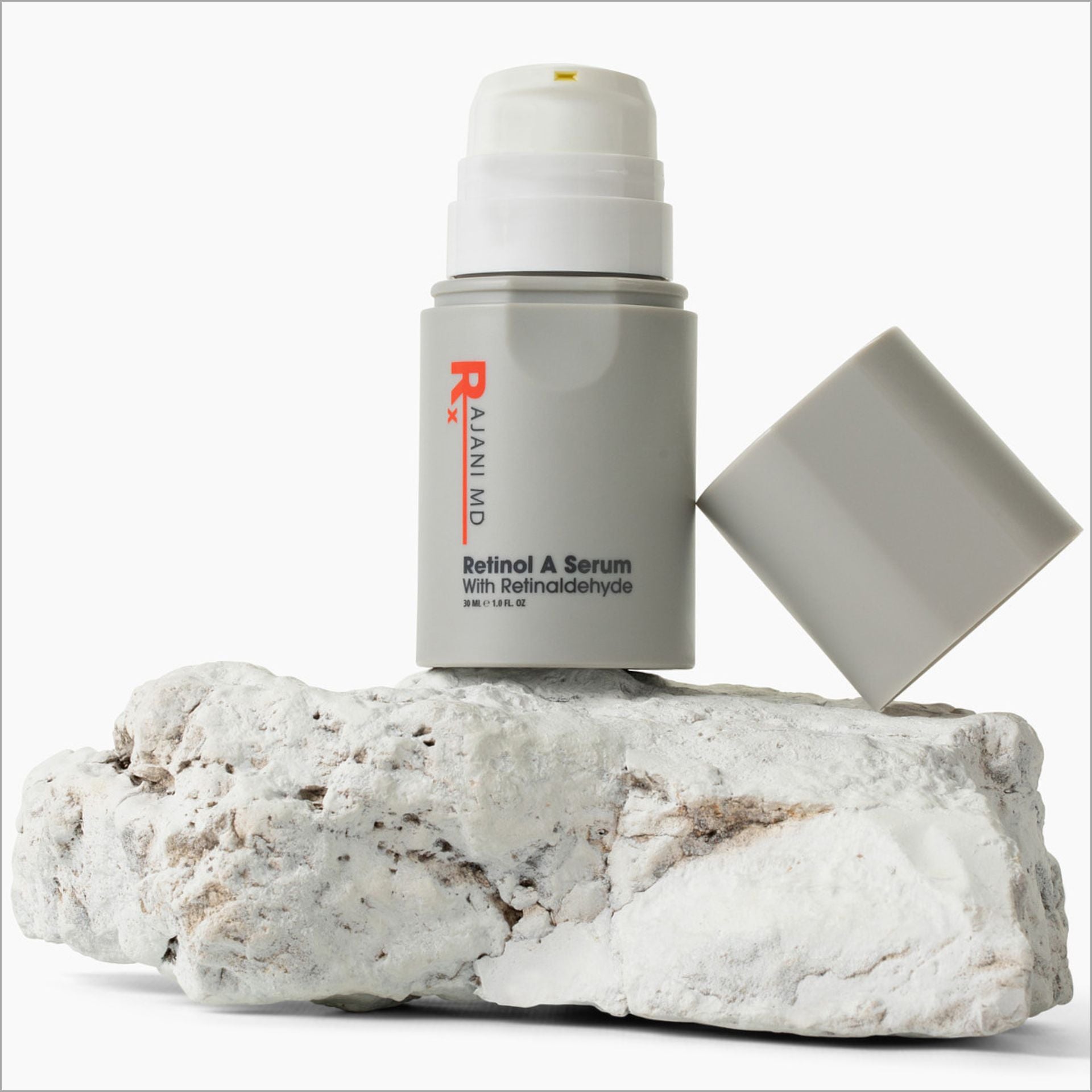
RajaniMD Retinol A Serum (2%) takes that approach with a proprietary blend of three retinols: retinaldehyde, retinol, and retinyl palmitate. The formula pairs this Triple Retinol Complex with Vitamin C, Vitamin E, and Avocado Oil in an overnight serum designed to visibly reduce signs of aging, brighten, and rejuvenate the skin.
Why put three forms into one retinol serum instead of relying on just one?
It helps to start by understanding what is actually inside the bottle.
What Are the Three Types of Retinol in RajaniMD Retinol A Serum (2%)?
RajaniMD Retinol A Serum (2%) is formulated with a Triple Retinol Complex containing three forms of vitamin A:
-
Retinaldehyde
-
Retinol
-
Retinyl Palmitate
This proprietary, professional-strength blend supports natural surface skin renewal, reduces the appearance of wrinkles, and promotes visible firming. Rather than relying on a single form of retinol, the serum brings all three together in one overnight formula.
The retinol complex is paired with Vitamin C, Vitamin E, and Avocado Oil. Vitamin C helps brighten skin tone and support the appearance of firm, resilient skin, while Vitamin E provides antioxidant support. Avocado Oil adds fatty acids, hydration, nourishment, and softness to the formula.
Designed for overnight use, RajaniMD Retinol A Serum (2%) combines these ingredients in a serum that absorbs quickly into the skin's surface layers.
Retinaldehyde vs. Retinol vs. Retinyl Palmitate: Why Use All Three?
Retinaldehyde, retinol, and retinyl palmitate all belong to the vitamin A family, but they are not identical forms of the ingredient.
Research describes a conversion pathway in the skin in which retinyl esters convert to retinol, retinol converts to retinaldehyde, and retinaldehyde converts to retinoic acid. Retinoic acid is the biologically active form that interacts with retinoid receptors in the skin.
This helps explain the distinction between the three:
-
Retinaldehyde sits one conversion step away from retinoic acid. Clinical research has found topical retinaldehyde to be well tolerated and capable of improving visible signs of sun-damaged skin, including surface texture.
-
Retinol first converts to retinaldehyde before being converted to retinoic acid. It is one of the most widely used cosmetic retinoids, with research supporting its role in improving signs of photoaged skin.
-
Retinyl palmitate is a retinyl ester. It must first be converted to retinol before moving through the remaining pathway toward retinoic acid.
Rather than choosing one of these forms, RajaniMD Retinol A Serum (2%) combines all three in its Triple Retinol Complex. RajaniMD describes the complete complex as supporting natural surface skin renewal, wrinkle reduction, and visible firming.
What Does RajaniMD Retinol A Serum (2%) Do?

of the serum on a white background.
The real value of a retinol serum comes from what the complete formula is designed to do over time. RajaniMD Retinol A Serum (2%) is formulated as an overnight treatment to support skin renewal and address visible signs of aging.
According to RajaniMD, continued use can provide increasing visible benefits, including:
-
Smoother-looking skin texture
-
Visible firmness
-
Reduced appearance of wrinkles
-
Reduced appearance of dark spots
-
Added bounce
-
Brighter, rejuvenated-looking skin
The formula combines its three retinols with antioxidant and nourishing ingredients rather than relying on vitamin A alone.
Vitamin C helps brighten skin tone and support the appearance of firm, resilient skin.
Vitamin E provides antioxidant support.
Avocado Oil provides fatty acids, hydration, nourishment, and softness.
The formula is also free of parabens, fragrance, phthalates, and mineral oil. RajaniMD additionally describes its proprietary blend as dye-free.
How to Start Using RajaniMD Retinol A Serum (2%)
RajaniMD recommends introducing Retinol A Serum (2%) gradually and increasing use based on your skin's tolerance.
-
Start with clean skin: Cleanse to remove makeup, dirt, and oil before application.
-
Apply the serum: Use one to two pumps after any complexion-specific treatment step. It can also be applied directly to freshly cleansed skin.
-
Begin gradually: Start one to two times per week, then increase frequency as desired or tolerated.
-
Use at night: Retinol A Serum (2%) is intended as a nighttime treatment.
-
Remember sun protection: Keep SPF as part of your daytime skincare routine.
-
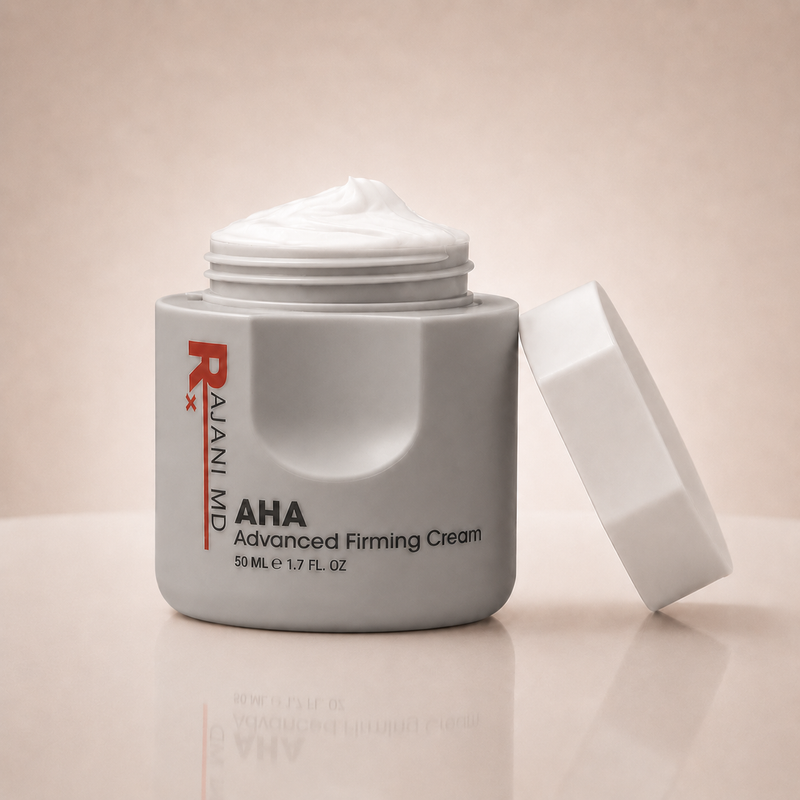
Using AHA Firming Cream too? Use RajaniMD AHA Firming Cream and Retinol A Serum (2%) on different days or alternate nights to help reduce irritation.
-
For more sensitive skin: Introduce each product one to two times per week and gradually increase use as tolerated.
With retinol, consistency and gradual introduction are more important than trying to increase frequency too quickly.


Frequently Asked Questions
What types of retinol are in RajaniMD Retinol A Serum (2%)?
RajaniMD Retinol A Serum (2%) contains three forms: retinaldehyde, retinol, and retinyl palmitate. RajaniMD refers to this combination as its Triple Retinol Complex.
What is the difference between retinaldehyde and retinol in RajaniMD Retinol A Serum (2%)?
Retinaldehyde and retinol are both forms of vitamin A, but they occupy different points in the retinoid conversion pathway. Retinol converts to retinaldehyde, which is then converted to retinoic acid. In Retinol A Serum (2%), both are included alongside retinyl palmitate as part of the Triple Retinol Complex. RajaniMD does not attribute separate product results to each individual form.
Does RajaniMD Retinol A Serum (2%) contain retinyl palmitate?
Yes. Retinyl palmitate appears in the published ingredient list alongside retinaldehyde and retinol.
Why does RajaniMD Retinol A Serum (2%) contain three retinols?
Rather than using a single form, the formula combines retinaldehyde, retinol, and retinyl palmitate in its Triple Retinol Complex. RajaniMD describes the complete complex as supporting natural surface skin renewal, wrinkle reduction, and visible firming.
What visible benefits does RajaniMD Retinol A Serum (2%) provide?
RajaniMD states that benefits increase over time and include smoother skin texture, visible firmness, reduction in the appearance of wrinkles and dark spots, and added bounce. The product is designed to visibly reduce signs of aging, brighten, and rejuvenate the skin.
Three Forms, One Overnight Formula
Understanding the differences between retinaldehyde, retinol, and retinyl palmitate can make a retinol ingredient list easier to navigate. In this formula, all three are brought together in the Triple Retinol Complex rather than used individually.
The key is introducing retinol gradually. Start one to two nights per week and increase use as your skin tolerates it. RajaniMD notes that visible benefits in texture, firmness, wrinkles, dark spots, and bounce increase with continued use.
Ready to add retinol to your nighttime routine? Explore RajaniMD Retinol A Serum (2%) and start at a frequency that works for your skin.
Disclaimer: This article is educational and not medical advice. If you have very sensitive skin or specific skin concerns, consult your physician or contact RajaniMD for personalized guidance.
Research Sources
Kedishvili NY. Retinoic Acid Synthesis and Degradation. Subcell Biochem. 2016;81:127-161. doi: 10.1007/978-94-024-0945-1_5. PMID: 27830503; PMCID: PMC5551983.
Konisky H, Bowe WP, Yang P, Kobets K. The Clinical Efficacy and Tolerability of a Novel Retinaldehyde Serum with Firming Peptides to Improve Skin Texture and Signs of Photoaging. J Drugs Dermatol. 2024 Nov 1;23(11):992-997. doi: 10.36849/JDD.8058. PMID: 39496127.
Mukherjee S, Date A, Patravale V, Korting HC, Roeder A, Weindl G. Retinoids in the treatment of skin aging: an overview of clinical efficacy and safety. Clin Interv Aging. 2006;1(4):327-48. doi: 10.2147/ciia.2006.1.4.327. PMID: 18046911; PMCID: PMC2699641.
O'Byrne SM, Blaner WS. Retinol and retinyl esters: biochemistry and physiology. J Lipid Res. 2013 Jul;54(7):1731-43. doi: 10.1194/jlr.R037648. Epub 2013 Apr 26. PMID: 23625372; PMCID: PMC3679378.
DISCLAIMER: This video does not contain any medical or health related diagnosis or treatment advice. Content provided on this YouTube Channel is for informational purposes only. For any medical or health related advice, please consult with a physician or other healthcare professionals. Further, information about specific products or treatments within this video are not intended to diagnose, treat, cure or prevent disease.