









 Account
Gua sha has been used as a traditional facial massage technique for generations, with many people incorporating it into their skincare routines to support relaxation and a more sculpted appearance. Traditional gua sha uses a smooth stone tool and gentle massage techniques to promote facial massage and circulation.
Modern skincare devices have introduced new approaches, including red-light gua sha. These devices combine traditional massage techniques with technologies such as LED light therapy and vibration. The goal is to bring together multiple forms of skincare support in one routine.
Understanding the difference between traditional gua sha and a red light gua sha tool starts with understanding how each technology works individually.
What Is Traditional Gua Sha?
Traditional gua sha uses a smooth-edged tool, often made of stone, to apply gentle pressure and perform massage movements across the skin. The technique is commonly used as part of facial massage routines that focus on relaxation and reducing temporary puffiness.
The physical movement of the tool across the skin may support circulation and lymphatic movement near the surface when used with appropriate technique. However, traditional gua sha does not use light-based technology or electrical stimulation.
The results of gua sha are closely connected to consistent use, gentle pressure, and proper technique.
How Red Light Gua Sha Adds LED Technology

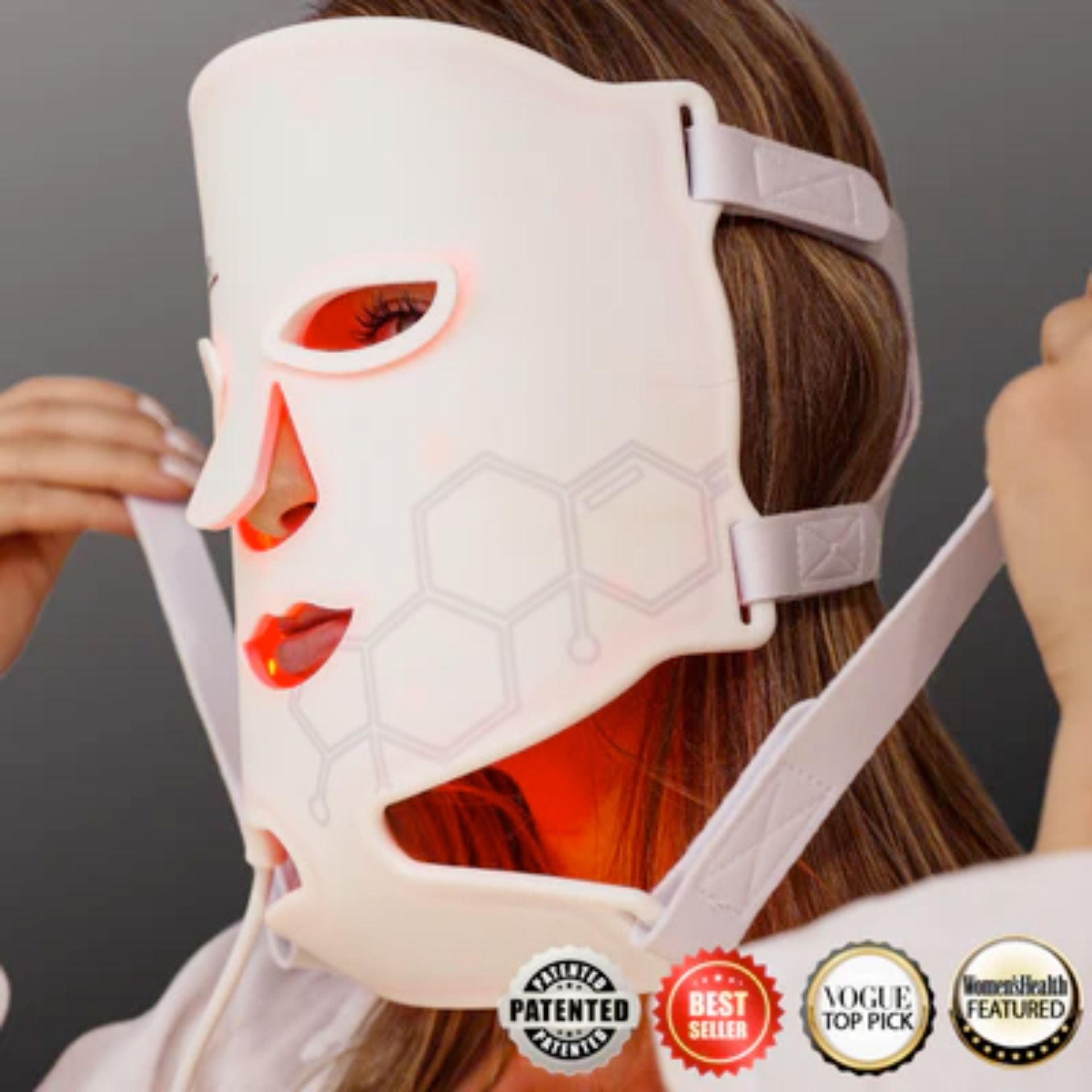
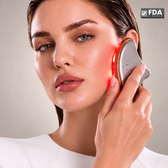
A red light gua sha tool combines the massage element of traditional gua sha with red and near-infrared light technology.
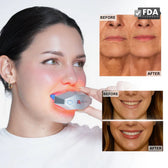
Red light therapy uses specific wavelengths of light that interact with skin cells. Research on red and near-infrared light suggests that these wavelengths may support cellular activity and processes associated with collagen production, skin firmness, and overall skin appearance over time.
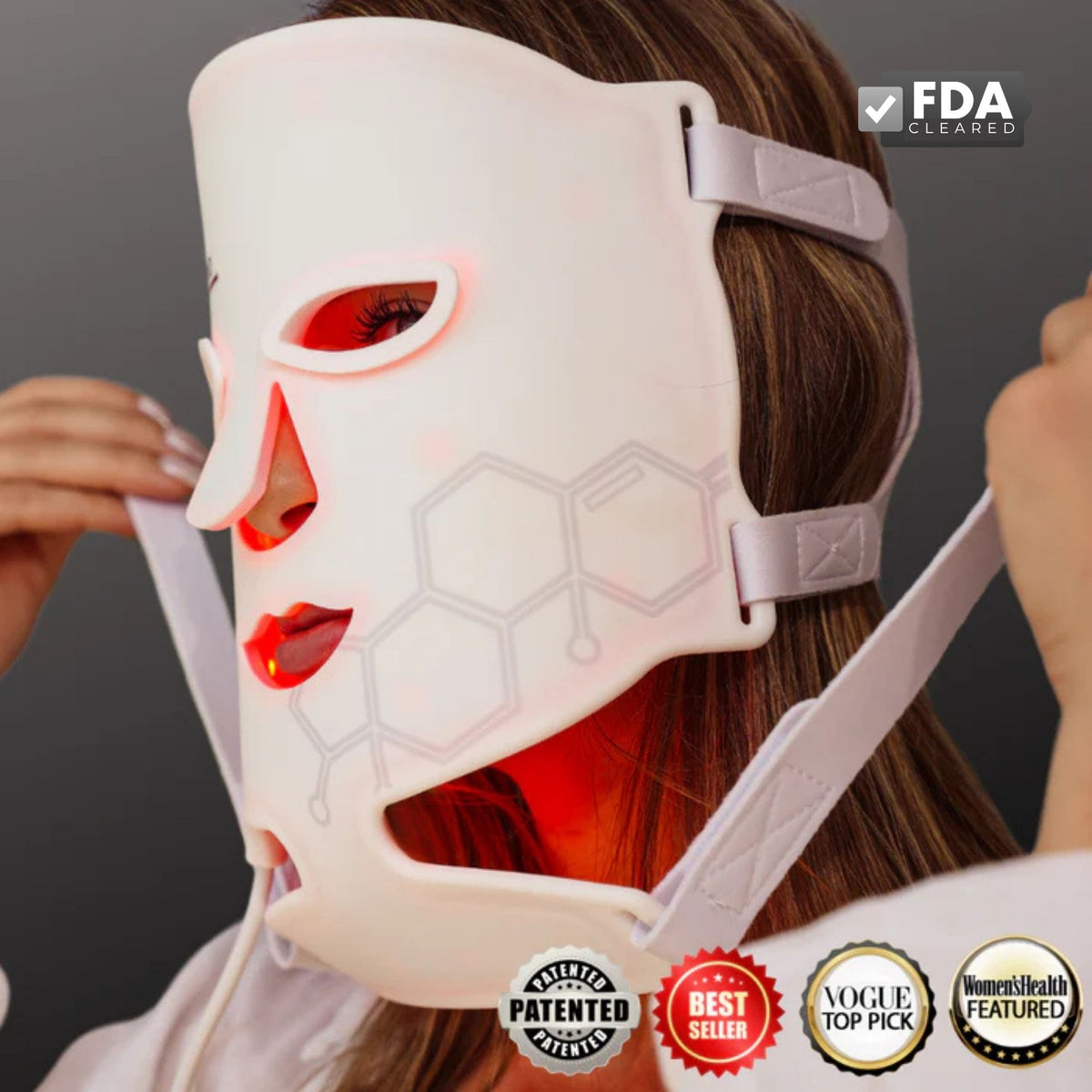
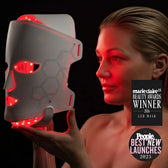
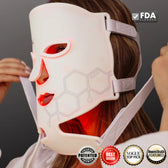
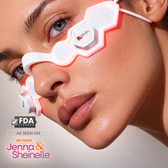
The PlasmaGLO LED Face and Jowl Mask follows a similar approach by using targeted LED wavelengths as part of a skincare routine. Like other LED devices, it focuses on delivering controlled light exposure rather than relying only on manual massage.
A device that combines gua sha massage with LED technology, sometimes called an infrared gua sha tool, adds another layer of skincare support by pairing physical massage with light-based technology.
Does Vibration Change How Gua Sha Works?
Some advanced gua sha devices also include vibration. A gua sha with red light and vibration combines three elements:
-
Massage movement: The physical motion of gua sha may support relaxation and temporarily reduce puffiness by encouraging gentle facial massage.
-
Red and near-infrared light: LED wavelengths may support skin processes associated with firmness, elasticity, and overall skin quality when used consistently.
-
Vibration technology: Gentle vibration may enhance the sensory experience of facial massage and help distribute pressure more evenly during use.
While vibration can make a device feel different from traditional gua sha, it does not replace the importance of consistent skincare habits, appropriate technique, and a complete routine.
Red Light Gua Sha Tool vs Traditional Gua Sha: Key Differences
Technology integration is the main difference. Traditional gua sha relies only on manual massage, while an LED gua sha tool combines massage with LED technology. This allows users to incorporate light therapy into the same routine.
The type of support may differ. Traditional gua sha primarily focuses on massage techniques and the temporary effects associated with facial manipulation. Red light gua sha may provide additional support through LED wavelengths that have been studied for their role in skin appearance.
Consistency remains important. Whether using traditional gua sha or a red light device, results depend on regular use and following recommended instructions.
How to Use a Red Light Gua Sha Device in a Skincare Routine

A red-light gua sha device can be incorporated into a skincare routine after cleansing and applying appropriate skincare products, following the device instructions.
For example, many people pair facial devices with hydrating products that help support comfortable movement across the skin. The HydraGlo Oil can be used as part of a skincare routine where additional slip is needed for facial massage.
When adding any new device, it is important to follow usage guidelines and avoid applying excessive pressure. Gentle, consistent use is generally preferred over aggressive techniques.
Frequently Asked Questions
What is a red light gua sha tool?
A red light gua sha tool combines traditional facial massage with LED light technology that may support skin firmness and overall skin appearance.
How is red light gua sha different from traditional gua sha?
Traditional gua sha uses manual massage, while red light gua sha adds LED technology and may provide additional skincare support.
What does infrared gua sha mean?
Infrared gua sha refers to devices that use near-infrared light wavelengths along with massage techniques as part of a skincare routine.
Can I use a red light gua sha tool with skincare products?
Yes, many users incorporate facial oils or serums to help the device glide comfortably while supporting their skincare routine.
How often should I use a red light gua sha device?
Usage frequency depends on the specific device instructions, but consistent use as directed is generally recommended for best routine support.


Supporting a Healthy Skin Routine
Traditional gua sha and red light gua sha tools approach facial massage differently. Traditional gua sha focuses on manual massage techniques, while a red-light gua sha tool combines this approach with LED technology and vibration for a more advanced skincare routine.
The key consideration is not whether one method replaces the other, but how each option fits into an individual’s skincare goals and preferences. Consistent technique, appropriate device use, and a well-rounded routine remain important parts of supporting healthy-looking skin over time.
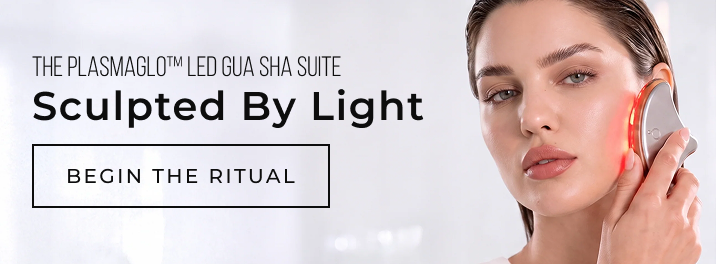
If you’re interested in combining facial massage with LED technology, explore the PlasmaGLO LED Gua Sha Suite designed to complement a consistent skincare routine.
Disclaimer: This article is educational and not medical advice. If you have extremely sensitive skin or are unsure whether a product is appropriate for you, consult your doctor or contact RajaniMD.
Research Sources
1. Wunsch, A. & Matuschka, K. (2014).
A Controlled Trial to Determine the Efficacy of Red and Near-Infrared Light Treatment in Patient Satisfaction, Reduction of Fine Lines, Wrinkles, Skin Roughness, and Intradermal Collagen Density Increase. Photomedicine and Laser Surgery, 32(2), 93–100.
https://pubmed.ncbi.nlm.nih.gov/24286286/
2. Barolet, D., et al. (2009).
Regulation of Skin Collagen Metabolism In Vitro Using a Pulsed 660 nm LED Light Source: Clinical Correlation with a Single-Blinded Study. Journal of Investigative Dermatology, 129(12), 2751–2759.
https://pubmed.ncbi.nlm.nih.gov/19587693/
3. Avci, P., et al. (2013).
Low-Level Laser (Light) Therapy (LLLT) in Skin: Stimulating, Healing, Restoring. Seminars in Cutaneous Medicine and Surgery, 32(1), 41–52.
https://pubmed.ncbi.nlm.nih.gov/24049929/
DISCLAIMER: This video does not contain any medical or health related diagnosis or treatment advice. Content provided on this YouTube Channel is for informational purposes only. For any medical or health related advice, please consult with a physician or other healthcare professionals. Further, information about specific products or treatments within this video are not intended to diagnose, treat, cure or prevent disease.