




Exosome skincare has become increasingly common in at-home routines, especially in sheet masks and leave-on formulas designed to support hydration and skin comfort. But the format can make a meaningful difference in how those ingredients are delivered and how the product fits into a routine.
An exosome face mask keeps a moisture-rich formula in close contact with the skin for a short period, while a balm stays on the skin much longer and may offer more sustained moisturization and barrier support.
So when does a sheet mask make more sense, and when is a richer leave-on product the better fit? The answer comes down to what the skin needs, how long the formula stays in contact with the skin, and the role each format plays in the rest of the routine.
What an Exosome Face Mask Can Deliver
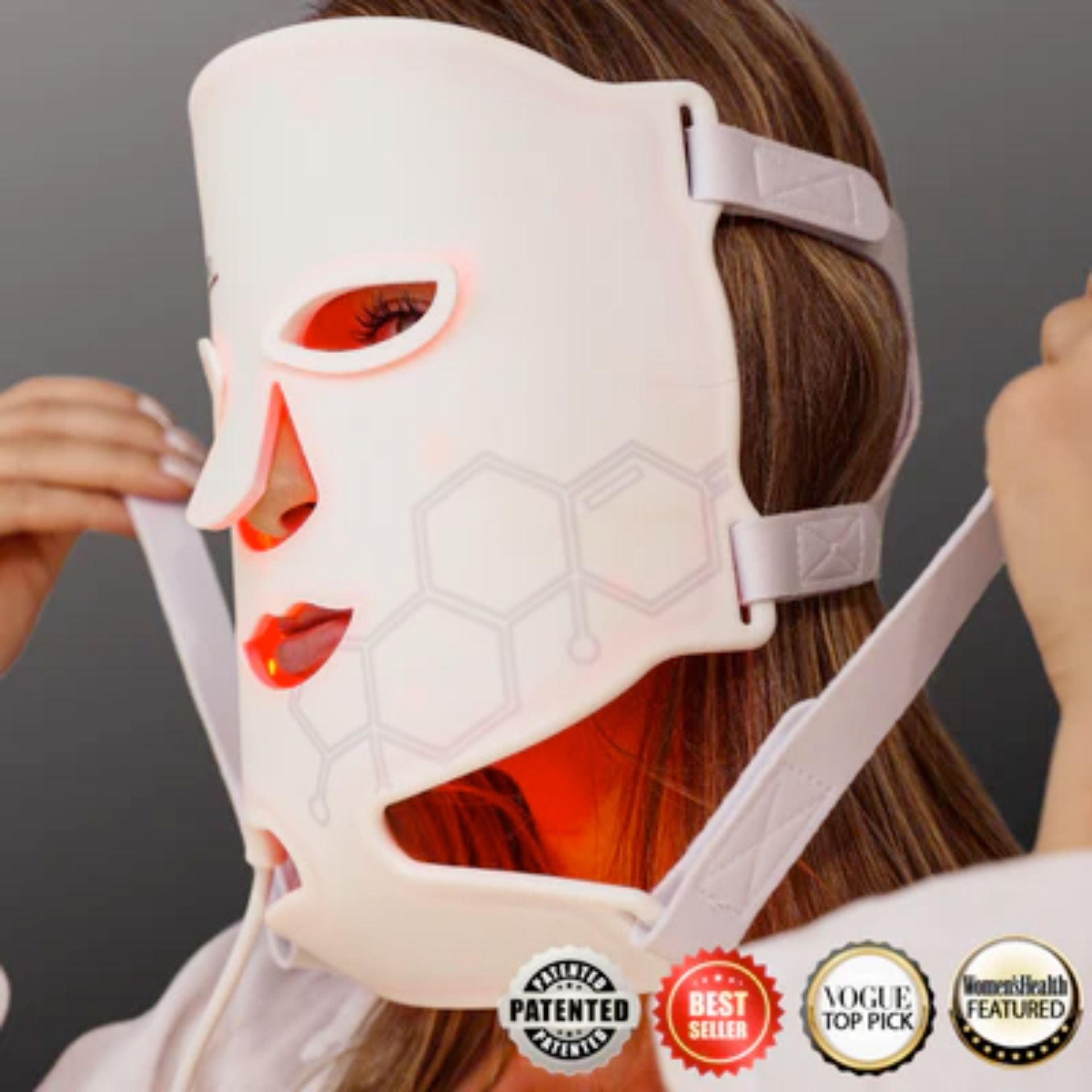
An exosome mask is still a sheet mask first and foremost. Its immediate role comes largely from the moisture-rich essence and the physical sheet, which may help reduce evaporation while ingredients remain in contact with the skin.
The Exosomes Korean Sheet Mask combines Centella asiatica exosome technology with ingredients such as glycerin, sodium hyaluronate, and arginine. Together, these ingredients may help support hydration, skin comfort, and a smoother-looking surface.
The effect of any sheet mask also depends on how it is used. Leaving the mask on for the recommended amount of time may help maintain the intended occlusive environment without allowing the sheet to dry out on the skin. For a closer look at how this works, this guide to Korean sheet masks explains the role of controlled occlusion and proper wear time in a skincare routine.
What the Science Says About Topical Exosomes
Exosomes are small extracellular vesicles involved in cell-to-cell communication. They can carry proteins, lipids, and other biological signals, which is why they are being studied for their potential role in skin rejuvenation.
Research into topical exosomes is developing, but the evidence is not yet specific enough to treat every exosome-based skincare format as equivalent. A 2026 scoping review identified reported improvements in areas such as surface hydration, elasticity, and the appearance of fine lines and uneven skin tone, but human studies remain limited.
For that reason, an exosome sheet mask should not be considered equivalent to an in-office exosome procedure. At home, its more realistic role is supportive skincare: hydration, conditioning, and maintaining a comfortable skin environment.
Sheet Mask or Balm: Different Jobs
Neither format is automatically better. The more useful question is which format best matches the skin's current needs.
-
Choose a sheet mask for short-contact hydration: An exosome mask for facial use may be useful when skin feels temporarily dry, depleted, or stressed. The sheet keeps the essence in contact with the skin for a defined period.
-
Choose a balm for longer contact and barrier support: A leave-on formula can remain on the skin for hours, making it more appropriate when sustained moisturization is the priority.
-
Look beyond the word “exosome.” Humectants, barrier lipids, soothing ingredients, peptides, and antioxidants can all influence how a formula supports the skin.
When a Balm May Work Better
A sheet mask and a balm can support different needs within a skincare routine. The better format depends on whether the priority is a short, targeted hydration step or longer-lasting moisture and barrier support.
|
Consideration |
Exosome Sheet Mask |
Balm or Rich Moisturizer |
|
Primary role |
May provide targeted hydration and skin-conditioning support |
May provide longer-lasting moisture and barrier support |
|
Contact time |
Designed to remain on the skin for a limited period before removal |
Remains on the skin as a leave-on step |
|
Best suited for |
Skin that feels temporarily dry, depleted, or in need of an added hydration step |
Skin that feels persistently dry, tight, or needs richer moisture support |
|
Texture |
Lightweight, essence-based format |
Typically richer and more emollient |
|
Place in a routine |
Can be used as an occasional or targeted treatment step |
Can function as part of a regular moisturizing routine |
Neither format is inherently better. An exosome face mask may be useful when the goal is a concentrated hydration step, while a balm or richer moisturizer may be more appropriate when prolonged moisture support is the priority.
How to Use an Exosome Mask

Apply the mask to clean, dry skin and leave it on for 15–20 minutes, following the product directions. After removal, gently pat the remaining essence into the skin rather than rinsing. Follow with moisturizer if additional moisture support is needed, and use broad-spectrum SPF during the day.
Interest in Korean exosome masks has grown, but country of origin alone does not determine product performance. Formula quality, ingredient transparency, and appropriate use within a skincare routine remain more relevant considerations.
Frequently Asked Questions
How often can I use an exosome face mask?
Follow the specific product directions and adjust the frequency based on how your skin responds.
Are exosome masks the same as professional exosome treatments?
No. A cosmetic sheet mask is a topical home care product and should not be expected to replicate procedures involving microneedling, lasers, or other delivery methods.
Can I use an exosome mask after a procedure?
Wait until the skin has healed and follow your provider's instructions, particularly after procedures that temporarily disrupt the skin barrier.
Is a balm better for dry skin?
It may be when longer-lasting moisture and barrier support are the main priorities.


Choosing the Right Exosome Format
An exosome face mask and a leave-on balm serve different roles within a skincare routine. A sheet mask is designed for short-contact hydration and skin conditioning, while a balm remains on the skin longer and may provide more sustained moisturization and barrier support.
The most useful comparison is not whether one format is universally better. It is a question of whether a short masking step or a richer leave-on product better matches your skin’s current needs and the rest of your routine.
For those exploring topical exosome skincare, formulation, supporting ingredients, and consistency of use may matter just as much as the delivery format itself.
Explore the Rajani MD Exosomes Korean Sheet Mask as a convenient addition to a routine focused on hydration, skin comfort, and overall skin appearance.
Disclaimer: This article is for educational purposes and is not medical advice. If you have a skin condition, are healing from a procedure, or are unsure whether a skincare product is appropriate for you, consult your healthcare professional. This content is not intended to diagnose, treat, cure, or prevent disease.
References
-
Haykal, D., Wyles, S., Garibyan, L., Cartier, H., & Gold, M. (2025). Exosomes in Cosmetic Dermatology: A Review of Benefits and Challenges. Journal of Drugs in Dermatology, 24(1), 12–18. PubMed
-
Knauer, G., et al. (2026). Clinical Evidence and Commercial Landscape of Topical Exosomes for Skin Rejuvenation: A Scoping Review. Aesthetic Surgery Journal. PubMed
-
Rokita, B., et al. (2026). Hydrogel Facial Mask for Sensitive Skin: A Pilot Study of Long-Term Effects on Hydration, Barrier Function and Mechanical Properties. International Journal of Cosmetic Science. PubMed
DISCLAIMER: This video does not contain any medical or health related diagnosis or treatment advice. Content provided on this YouTube Channel is for informational purposes only. For any medical or health related advice, please consult with a physician or other healthcare professionals. Further, information about specific products or treatments within this video are not intended to diagnose, treat, cure or prevent disease.