






Your neck skincare routine may have worked beautifully for years. So what happens when you start noticing loose, crepey skin that doesn't seem to respond the way it used to?
It's a common concern. When the skin on your neck starts to look thinner, looser, or more crepey, it's easy to assume that the products you've been using are no longer effective. You might switch creams, add more products, or look for a stronger formula.
But the issue may not be that your neck cream stopped working. Your skin may have changed, and you may need to take a different approach to address those changes.
Changes in age, weight, volume, and previous treatments can all affect the appearance of the neck. When these changes occur, adding the right type of treatment to your routine may offer another way to support the skin.
Part of finding the right approach starts with understanding what makes the neck different from other areas of the face.
Why the Neck Is Different
The skin on the neck is thinner and can be more reactive than skin on many areas of the face. It also has a relatively small amount of underlying fat.
That small amount of fat matters. It provides padding beneath the skin and contributes to the neck's overall shape and appearance. When that fat decreases, there's less volume to support the skin from underneath, which can make looseness or crepiness more noticeable.
This is one reason treatments that work well elsewhere on the face aren't necessarily used the same way on the neck. The neck has less room for error, so understanding its anatomy is an important part of choosing how to treat it.
What Can Contribute to Crepey Neck Skin?
There isn't one universal cause of loose or crepey neck skin. Several factors can contribute:
-
Aging — Over time, the skin changes while fat compartments can decrease in volume and shift in position. Together, these changes can affect how the skin looks and sits over the neck.
-
Rapid weight loss — You can't choose where your body loses fat, so changes in volume may make loose or crepey skin more noticeable in some people.
-
Overtreatment — Energy-based treatments can be valuable when they're appropriately selected and performed, but the neck may require a different approach than thicker areas of the face. Treatment depth, energy level, technique, and the individual being treated all matter.
Together, these factors can change the amount of underlying support and how the skin appears on the surface, which can help explain why your topical skincare may seem like it's stopped working.
So what can you do when your neck cream isn't quite enough?
Dermarolling
One option is dermarolling.
Unlike a topical product, a dermaroller uses tiny needles to create controlled micro-injuries in the skin, triggering a natural wound-healing response. When treating the neck, however, a conservative approach is important.
Neck skin can be thinner, more reactive, and less forgiving than skin on the cheeks or forehead. More pressure or more passes aren't necessarily better and do not automatically mean more collagen, but they do make it more likely to irritate already fragile skin.
Different needle depths serve different purposes. A shorter needle, such as 0.25 mm, is a more conservative option for the neck than the deeper depths sometimes used for concerns like acne scarring.
Technique matters, too. A dermaroller should move smoothly across the skin, and that's where "slip" comes in. Using an appropriate product can help the roller glide across the skin rather than dragging against it.
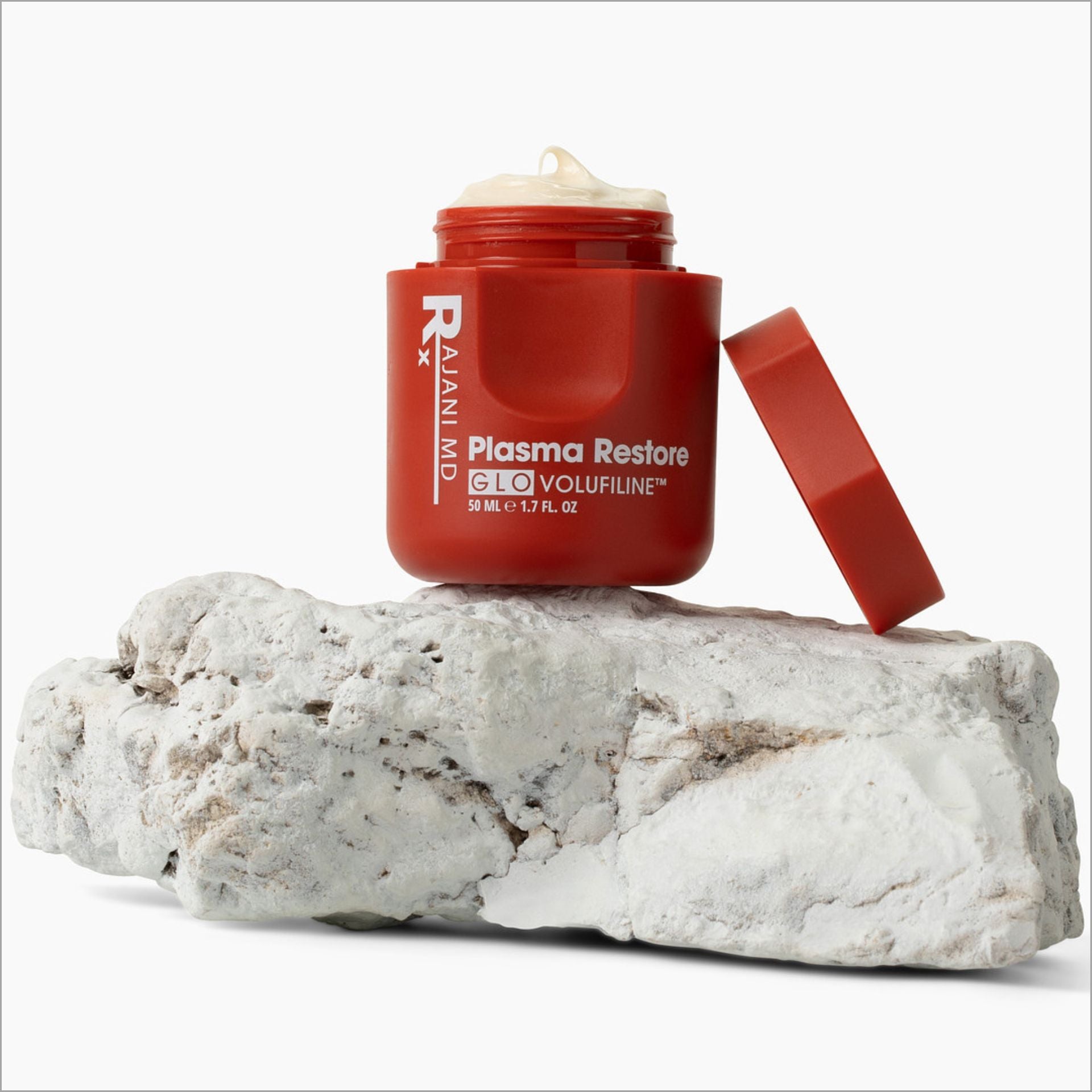
PlasmaSOMES™ can be used as a slip with dermarolling and is formulated with a combination of ingredients designed to complement a skincare routine. The product you choose should be appropriate for use with your particular dermaroller and intended application.
The key with dermarolling is controlled, consistent treatment: not trying to make the treatment as intense as possible.

Radiofrequency
Another option to consider is radiofrequency.
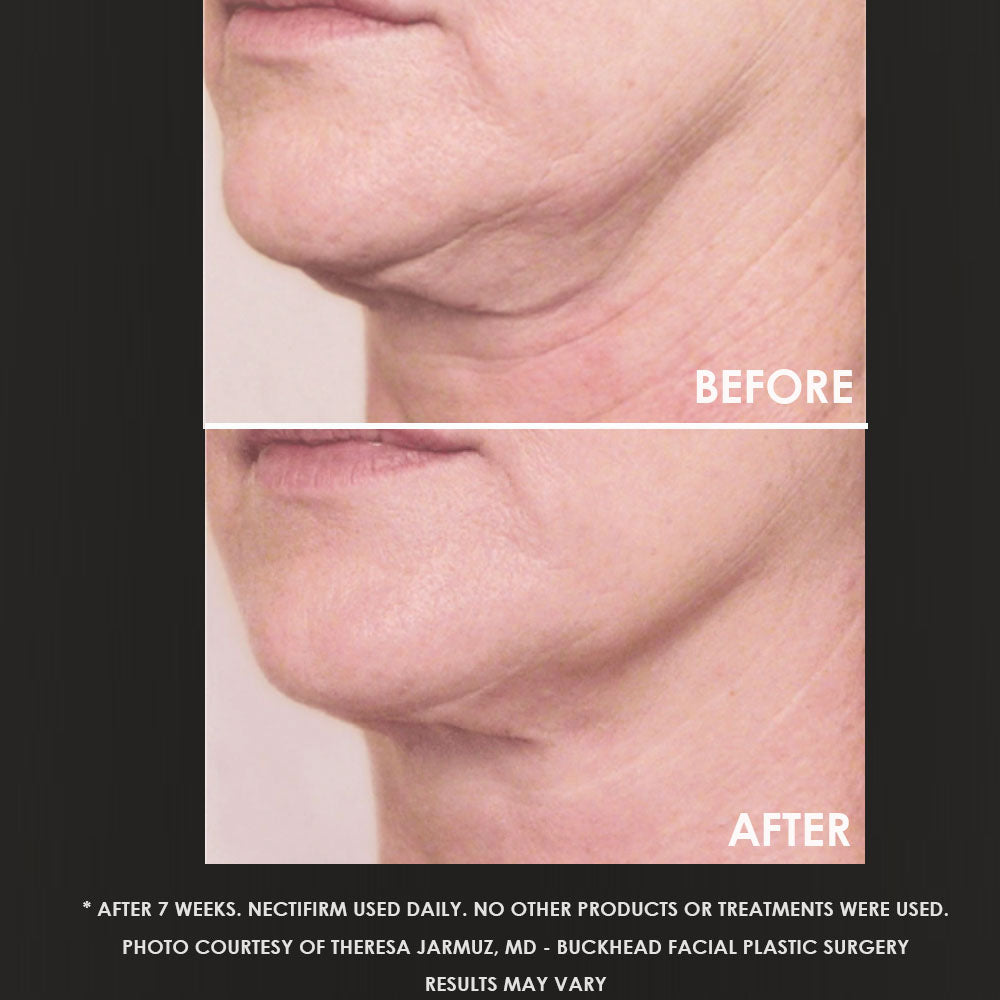
Radiofrequency uses energy to create controlled heating within the skin and underlying tissue. Because this thermal effect reaches deeper than a topical product can, RF has become an option for people looking to improve the appearance of loose or crepey skin. The controlled heat can interact with collagen in the treated area and support the skin's natural remodeling process over time.
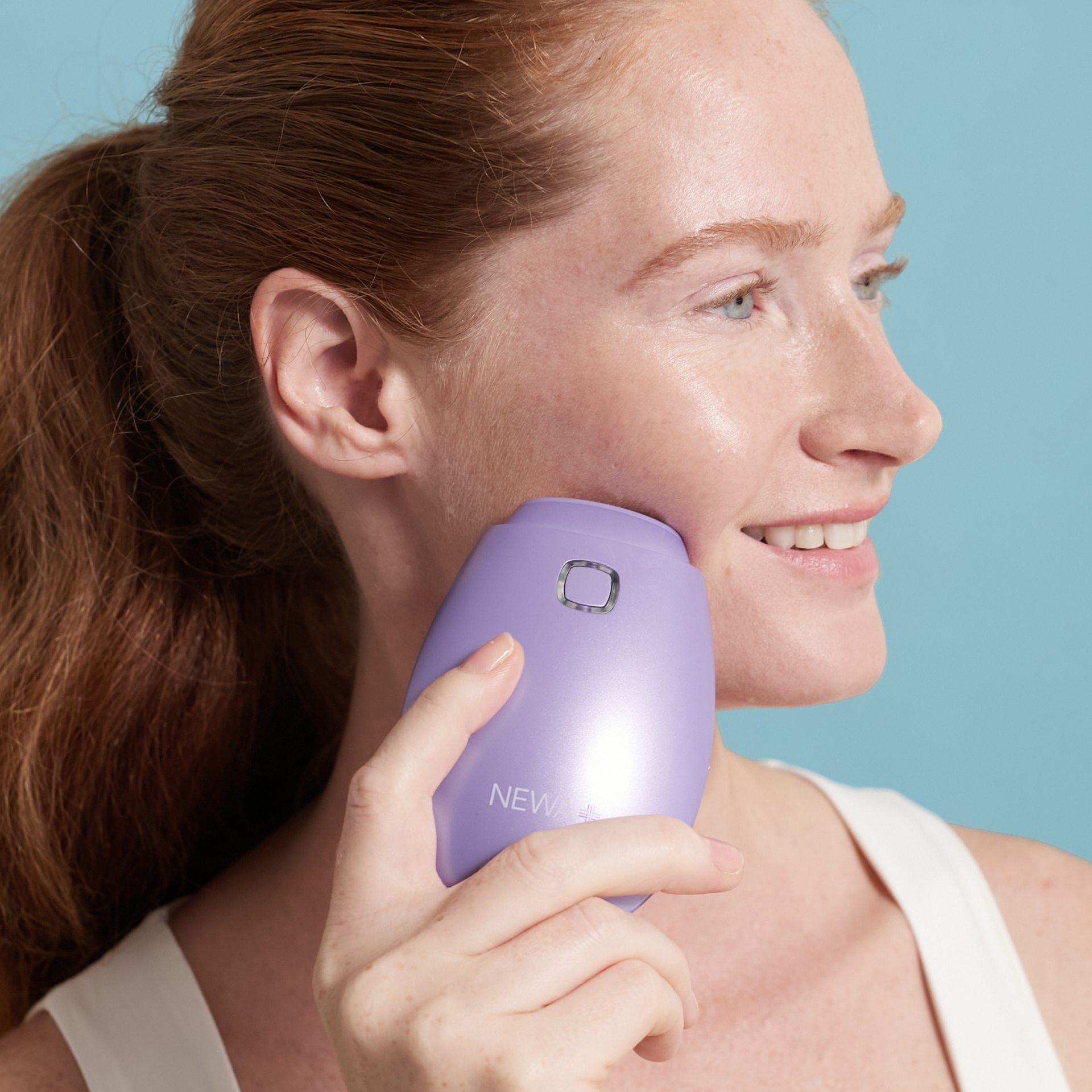
At-home RF devices allow this type of treatment to be incorporated into a regular routine, rather than relying solely on occasional in-office treatments.
As with any energy-based device, the goal is controlled heating. Use the coupling gel recommended for your device, keep the device moving as directed, and follow the manufacturer's instructions for treatment time and temperature.
Many RF devices also include temperature monitoring or other safety features that help regulate treatment, features which are particularly useful on an area as delicate as the neck.
Before using radiofrequency on the front of the neck, check your device instructions for any precautions around the thyroid area.
How Dermarolling and Radiofrequency Can Work Together
Dermarolling and radiofrequency approach the skin differently: dermarolling works closer to the surface, while radiofrequency delivers a deeper thermal treatment. That difference is what makes them complementary additions to a skincare routine.
They can also be incorporated into the same day when the specific products and devices allow for it. If using both, radiofrequency should come before dermarolling, and the coupling gel used for RF should be thoroughly washed off before the next step. This order matters because dermarolling should be the final device-based treatment in the routine, because once the skin has been opened, you don't want to follow it with another device treatment unless the specific protocol tells you to.
If red light therapy is already part of your routine, it can be used before dermarolling or radiofrequency.
Don't Forget the Basics
Devices aren't the only things that matter when caring for your neck.
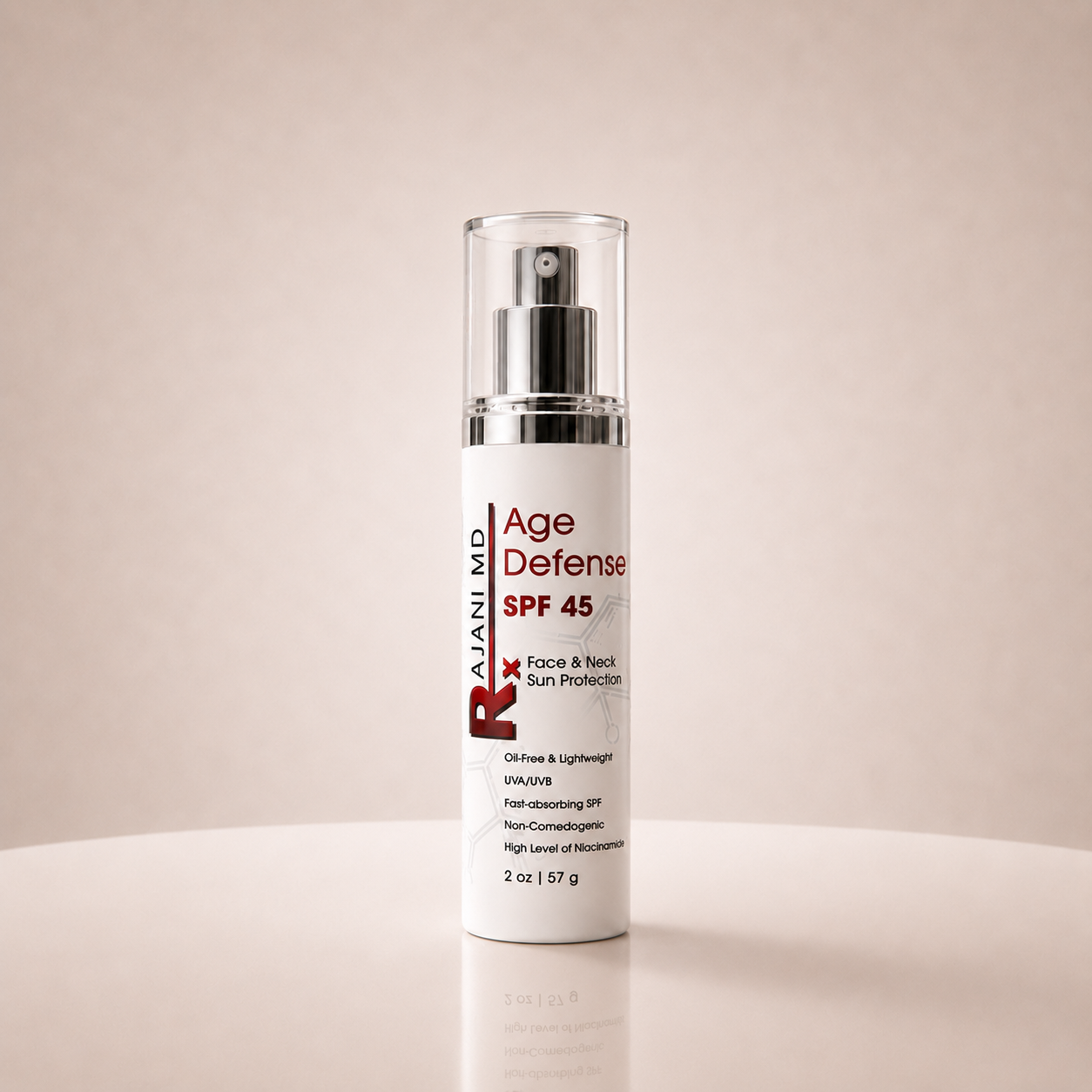
Sunscreen should extend beyond your face. The neck and décolleté are frequently overlooked when applying daily sun protection, even though they're regularly exposed to the sun. Consistent sunscreen use is an important part of supporting the long-term appearance of the skin.
Posture is worth considering, too. Spending hours looking down at a phone or laptop keeps the neck in a repeated flexed position. Try raising your screen closer to eye level when possible. It's a simple habit that can complement the rest of your neck-care routine.
And don't forget your neck cream. Hydrating and beneficial skincare ingredients can still have a place in your routine even when you add device-based treatments.

Frequently Asked Questions
What causes crepey neck skin?
Crepey neck skin can develop for several reasons, including natural aging, rapid weight loss, or previous treatments. These changes can affect both the skin itself and the support beneath it, making loose or crepey skin more noticeable.
Can dermarolling help with crepey neck skin?
Dermarolling can be used on the neck with a conservative approach, such as a shorter 0.25mm needle, because neck skin can be thinner and more reactive than facial skin. It creates controlled micro-injuries that may support the skin's natural repair process, though technique and consistency matter more than intensity.
Should I do radiofrequency or dermarolling first?
If both treatments are being used in the same routine and the specific devices allow for it, radiofrequency should be performed before dermarolling. The RF coupling gel should be thoroughly washed off before dermarolling, which should be the final device-based step, since it opens the skin.
Do I still need neck cream if I use dermarolling or radiofrequency?
Yes. Dermarolling and radiofrequency are meant to complement a skincare routine, not replace it. Hydrating, beneficial ingredients from your neck cream can still support the skin alongside device-based treatments.
When Your Neck Needs More Than Cream
If your neck has started to look thinner, looser, or more crepey, it doesn't necessarily mean your neck cream has stopped working. It may mean that changes in the skin and underlying volume have introduced concerns that topical skincare alone isn't designed to address.
That doesn't mean you need the most aggressive treatment available. In fact, the delicate nature of the neck makes thoughtful, appropriately controlled treatment particularly important.
For those looking for at-home options, dermarolling and radiofrequency offer two different ways to complement a skincare routine. Dermarolling uses controlled micro-injuries to encourage the skin's natural repair process, while radiofrequency uses controlled heat that may support collagen-related changes in the skin over time.
Your neck cream can still be part of your skincare routine. It may simply need some support from the right treatment.
Clinical Studies:
Evaluating Four Microneedling Treatments for Facial and Neck Wrinkles
Effectiveness and Safety of Radiofrequency for Face and Neck Rejuvenation
Smartphone Use and Neck Posture: A Comparative Study
More Videos:
DISCLAIMER: This video does not contain any medical or health related diagnosis or treatment advice. Content provided on this YouTube Channel is for informational purposes only. For any medical or health related advice, please consult with a physician or other healthcare professionals. Further, information about specific products or treatments within this video are not intended to diagnose, treat, cure or prevent disease.