











 Account
Creatine is one of the most researched compounds in nutrition and fitness. While creatine monohydrate powder has been the traditional choice for decades, newer formats, such as creatine gummies, have become increasingly popular for their convenience and ease of use.
The main difference between creatine gummies and powder is not how the body uses creatine, but how the supplement is delivered. Once digested, creatine from different formats follows the same pathway in the body.
The choice often comes down to ingredients, dosage, consistency, and personal preference.
How Creatine Works in the Body
Creatine is naturally stored in skeletal muscle, where it helps support the production of adenosine triphosphate (ATP), the primary energy source used during short bursts of physical activity. The body produces some creatine naturally, and additional amounts can come from dietary sources or supplements.
Creatine supplementation has been widely studied for its role in supporting muscle performance, strength training adaptations, and exercise capacity. It is especially well known for supporting activities that involve repeated, high-intensity effort.
For adults interested in maintaining muscle health as part of a healthy aging routine, creatine is also an area of growing research interest. This includes discussions about creatine for women over 40, for whom maintaining muscle mass and supporting physical function may become increasingly important.
Creatine Gummies vs Powder: Does the Body Use Them Differently?

The body does not recognize creatine differently based on whether it comes in gummy or powder form. Both formats provide creatine that the body can digest, absorb, and utilize through similar biological pathways.
The main difference is the delivery method.
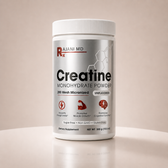
Creatine monohydrate powder is the most studied form. Creatine monohydrate has extensive research supporting its use, making it the standard form used in many studies. It is typically mixed with water or another beverage, allowing users to adjust serving sizes more easily.
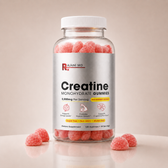
Creatine gummies offer a convenient alternative. Gummies may be easier for some people to incorporate consistently into their routine, especially for those who dislike mixing powders or carrying supplement containers. However, it is important to check the creatine amount per serving, as gummy formats may contain additional ingredients such as sweeteners or carbohydrates.
Consistency is one of the most important factors when using creatine. A format that fits easily into a daily routine may help support regular use over time.
Comparing Creatine Monohydrate Powder and Creatine Gummies
When comparing creatine gummies vs. powder, several factors can help determine which option best fits a person’s routine.
-
Dosage control is a key difference: Creatine monohydrate powder often provides a straightforward way to measure a specific amount. Gummies come in pre-measured servings, which may be more convenient but may offer less flexibility.
-
Convenience can influence consistency: Creatine gummies may appeal to people who prefer a ready-to-take option that requires no preparation. Powder may require an extra step, but it remains a widely used choice because of its simplicity and extensive research history.
-
Ingredients should be considered: Some people seeking vegan creatine gummies may want to review the ingredient list carefully to ensure the product aligns with their dietary preferences. The type of sweeteners, flavoring ingredients, and overall formulation can vary between products.
-
Routine compatibility matters: The best supplement format is often the one that fits consistently into an individual’s lifestyle, nutrition habits, and wellness goals.
Creatine for Women Over 40: Why It Is Being Studied

Interest in creatine for women over 40 has increased as more research explores the relationship between creatine intake, resistance training, and healthy aging.
Age-related changes can affect muscle mass, strength, and recovery. A balanced approach that includes adequate protein intake, regular physical activity, and supportive nutrition may help maintain overall wellness.
Creatine is not a replacement for exercise or a complete nutrition plan. Instead, it may be one component of a broader routine focused on supporting muscle health and physical performance.
For those building a healthy aging approach, creatine may complement other lifestyle habits that support overall wellness, including nutrition, skincare, and consistent self-care routines. Learn more about building a balanced approach with a healthy aging routine.
Choosing Between Creatine Gummies and Creatine Monohydrate Powder
There is no single format that works best for everyone. Creatine monohydrate powder remains the most researched form, while creatine gummies may provide a more convenient option for people who prefer a different supplement experience.
When choosing between the two, consider:
-
The amount of creatine provided per serving
-
Additional ingredients in the formula
-
Dietary preferences
-
Ease of daily use
-
Whether the supplement fits into a consistent wellness routine
As with any supplement, individual needs and health considerations can vary. Those with specific medical concerns or questions about supplementation should consult a healthcare professional before starting a new routine.


Frequently Asked Questions
Are creatine gummies as effective as creatine powder?
Both formats provide creatine that the body can utilize. The overall experience may depend on dosage, consistency, and individual preferences.
Is creatine monohydrate powder better than creatine gummies?
Creatine monohydrate powder is the most researched form, while gummies may offer a more convenient option for some people.
Can women over 40 take creatine?
Creatine may support muscle health and physical performance as part of a balanced routine for women over 40.
Are vegan creatine gummies available?
Some creatine gummies are made with vegan-friendly ingredients, but it's important to check the product label.
How long does creatine take to work?
Creatine-related changes may develop gradually with consistent use over time, especially when combined with regular exercise.
Supporting a Consistent Wellness Routine
Creatine gummies and creatine monohydrate powder both provide creatine, which the body uses through the same biological pathways. The primary differences are the format, additional ingredients, and how easily each option fits into an individual’s daily routine.
Supplements work best when combined with consistent lifestyle habits, including balanced nutrition, regular movement, and recovery practices. For those building a healthy aging routine, exploring science-backed nutritional options may help support overall wellness as part of a broader approach.
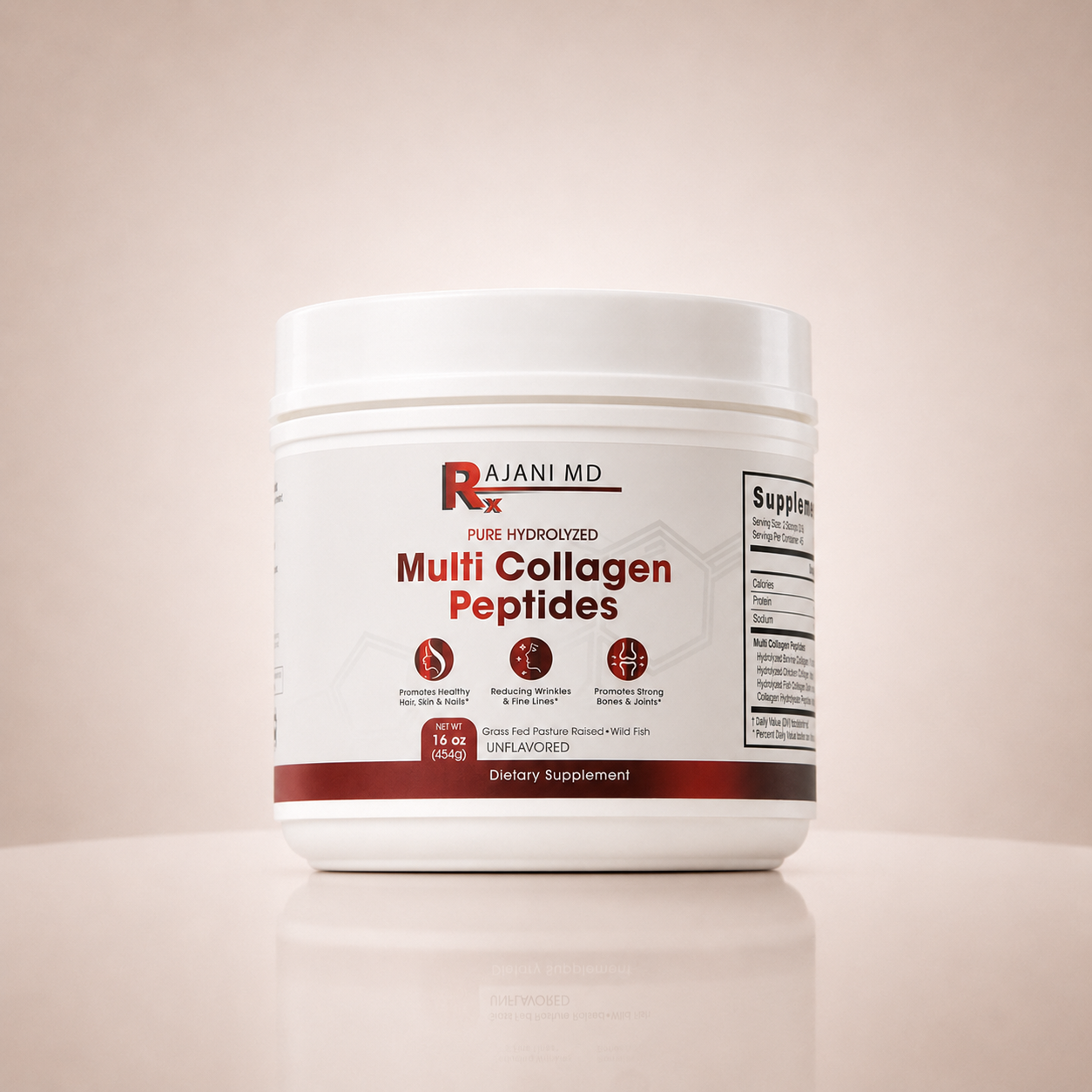
Explore Rajani MD supplements designed to complement a consistent wellness routine.
*These statements have not been evaluated by the Food and Drug Administration. This product is not intended to diagnose, treat, cure, or prevent any disease.
Disclaimer: This article is educational and not medical advice. If you have specific health concerns, are taking medications, or are unsure whether creatine supplementation is appropriate for you, consult your healthcare professional before starting a new supplement routine.
Research Sources:
Kreider RB, Kalman DS, Antonio J, et al. International Society of Sports Nutrition position stand: safety and efficacy of creatine supplementation in exercise, sport, and medicine. Journal of the International Society of Sports Nutrition. 2017;14:18.
https://pmc.ncbi.nlm.nih.gov/articles/PMC5469049/ PubMed Central (PMC)
Antonio J, Candow DG, Forbes SC, et al. Common questions and misconceptions about creatine supplementation: what does the scientific evidence really show? Journal of the International Society of Sports Nutrition. 2021;18:13.
https://pmc.ncbi.nlm.nih.gov/articles/PMC7871530/ PubMed Central (PMC)
Kreider RB, Stout JR. Creatine in Health and Disease. Nutrients. 2021.
https://pmc.ncbi.nlm.nih.gov/articles/pmid/33572884/ PubMed Central (PMC)
DISCLAIMER: This video does not contain any medical or health related diagnosis or treatment advice. Content provided on this YouTube Channel is for informational purposes only. For any medical or health related advice, please consult with a physician or other healthcare professionals. Further, information about specific products or treatments within this video are not intended to diagnose, treat, cure or prevent disease.