





Spicule skincare has become one of the more talked-about innovations in Korean skincare, but choosing a spicule product is about more than finding the one that feels the strongest.
The prickly sensation may be the first thing you notice, but it doesn't tell you everything about a formula. The type of spicules used, how they are processed, their physical consistency, the other ingredients they are formulated with, and how frequently the product is intended to be used can all influence the overall experience.
So, when it comes to spicule skincare, formulation is what matters.
A Stronger Prickle Doesn't Mean a Better Product
One of the most recognizable characteristics of spicule skincare is the sensation it creates on the skin. Depending on the formulation and the characteristics of the spicules, you may notice tingling or a prickly feeling during application or afterward.
It's easy to assume that a stronger sensation means a stronger product. But sensation alone isn't a reliable way to evaluate a spicule formula.
Spicules are tiny, needle-like structures that interact mechanically with the skin. This physical interaction can create a tingling or prickling sensation. Factors such as the spicules' size, shape, concentration, and consistency can influence how that interaction feels during application.
In other words, more sensation isn't necessarily the goal. Instead of choosing a product based on how intensely it tingles, look at how the spicules are processed, what they are formulated with, and whether the product is designed for the way you want to use it.
And before introducing any spicule product into your routine, patch testing is a smart first step. Apply a small amount to a limited area according to the product's directions and observe how your skin responds before using it more broadly.
Why the Purification Process Matters
When you're looking at a spicule product, it is worth considering what happens to the spicules before they become part of the finished formula.
Naturally derived sponge spicules originate within the structure of a sponge and can be associated with organic material and other unwanted components from their natural source. A purification process removes these materials, preparing the spicules for use in a cosmetic formula.
Why does that matter? Because spicules are intentionally incorporated into products that are applied directly to your skin, so how they are sourced and prepared is worth considering.
IDENEL's spicule technology incorporates a multi-step purification and refinement process designed to prepare its naturally derived spicules before they are formulated into its skincare products. The purification process focuses on removing unwanted material from the naturally derived spicules, while further refinement addresses their physical characteristics.
This makes processing an important consideration when comparing spicule products. Don't just look for the word “spicules” on the label. Consider how those spicules are sourced and processed before they become part of the finished formula.

Why Spicule Consistency Matters
Purification and refinement are not necessarily the same thing. Once unwanted material has been removed, the physical characteristics of the spicules can also be an important consideration.
Spicule size and shape can vary naturally, and these characteristics can affect how spicules behave within a skincare formula and how they feel during application.
Think about the difference between using a skincare product with a smooth, consistent texture and one where the texture changes noticeably from one application to the next. A predictable experience makes it easier to know what to expect each time you use the product.
The same principle can apply to spicule formulations. When spicules are selected and refined with attention to their physical characteristics, the formula can be designed around a more uniform material. This can contribute to a more predictable application experience and help create greater reliability in how the spicules interact with the skin.
That doesn't mean every spicule needs to be exactly the same, or that one particular size or shape is universally better. It means consistency is one factor worth considering when evaluating spicule products for potential use.
This attention to the physical properties of the spicules is part of what makes manufacturing and formulation important considerations when choosing a product.
Do More Spicules Mean Better Results?
Not necessarily.
It can be tempting to assume that a higher concentration of spicules will automatically make a product more effective. A higher concentration simply means that the formula contains a greater amount of the spicule ingredient. It does not, by itself, tell you whether the product is better suited to your skin or routine.
How much product you apply and how often you use it also matter. Using more product or applying it more often than directed isn't necessarily a shortcut to better results. It is important to follow the recommended amount and frequency for the product you're using.
If you're new to spicule skincare, follow the directions for your specific product and give yourself time to understand how your skin responds.
It's About the Whole Formula
Spicules are only one part of a spicule-based skincare product. The other ingredients they are formulated with are also important.
A thoughtfully formulated spicule product can combine spicules with other ingredients selected to complement the overall purpose of the formula.
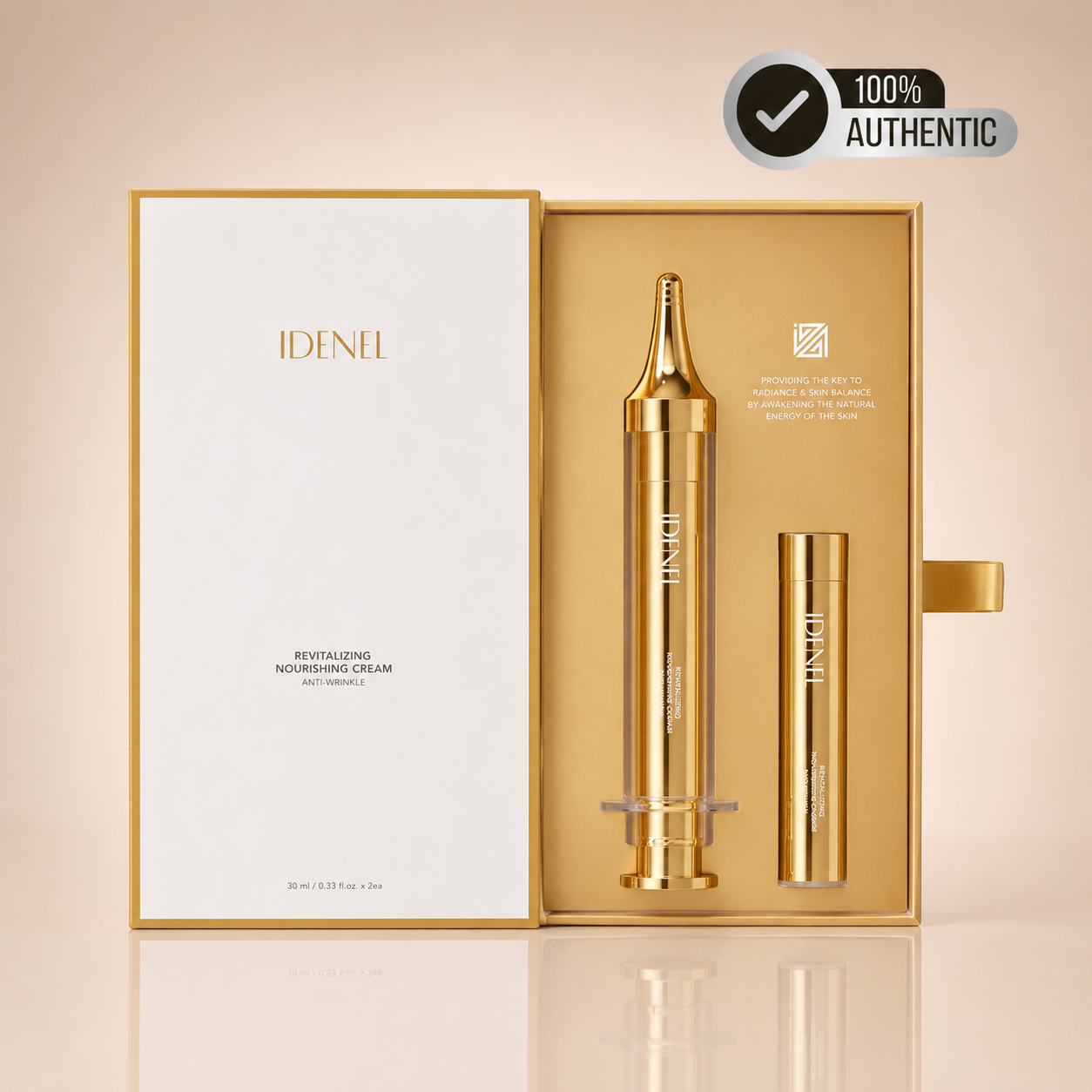
For example, IDENEL’s Revitalizing Nourishing Cream combines naturally derived micro-spicules and ALTUM® Peptide technology with ingredients including niacinamide, adenosine, multiple forms of hyaluronic acid, panthenol, allantoin, and Bifida ferment filtrate.
This broader formulation is important to consider when evaluating a spicule product. Rather than asking only, "How many spicules does this contain?" consider the bigger picture:
-
What type of spicules does the formula use?
-
How are the spicules processed?
-
How consistent are their physical characteristics?
-
What other ingredients are included?
-
How often is the product intended to be used?
-
Does the formula fit into my existing routine?
These questions can tell you much more about a product than the intensity of its prickling sensation alone.

Where Does Spicule Skincare Fit in Your Routine?
Once you've chosen a spicule formula, think about what else you're using alongside it.
Avoid introducing several new or potentially irritating products at the same time. Keeping the rest of your routine familiar can make it easier to understand how your skin responds to a new spicule product.
It's also important to follow the specific directions for the product you're using. Some spicule formulas are intended for particular usage schedules rather than daily application.
If your skin is currently irritated, sunburned, broken, or otherwise compromised, consider waiting until the irritation has subsided before introducing a product that creates a noticeable physical sensation. If you're unsure whether spicule skincare is appropriate for your skin, consider speaking with a qualified skincare professional.
Frequently Asked Questions
Why does spicule skincare feel prickly?
The prickling sensation comes from the physical interaction of the spicules with the skin. The intensity of that sensation can vary based on factors such as the spicules' physical characteristics, concentration, and the overall formulation.
How often should you use spicule skincare?
The recommended frequency depends on the specific spicule product and its formulation. Always follow the directions provided with the product.
Are stronger spicules better for your skin?
Not necessarily. A stronger prickling sensation does not automatically mean a spicule product is better or more effective. The concentration, physical characteristics, processing, supporting ingredients, and intended use of the overall formulation are all important considerations.
Is spicule skincare safe for sensitive or compromised skin?
Because spicules create a noticeable physical sensation, it's generally recommended to wait until any irritation, sunburn, or broken skin has healed before introducing them. Patch testing a small area first is also a good way to see how your skin responds before wider use.
Can you use spicule skincare with retinol?
It is not recommended to use spicule skincare and retinol on the same night. You should also avoid using other active or potentially irritating ingredients with spicule products unless the product directions specifically indicate that they can be used together.
How to Choose a Spicule Skincare Product
When you're shopping for spicule skincare, don't let the strongest tingle make the decision for you.
Instead, look at the formula as a whole and consider whether it fits your skin and your routine.
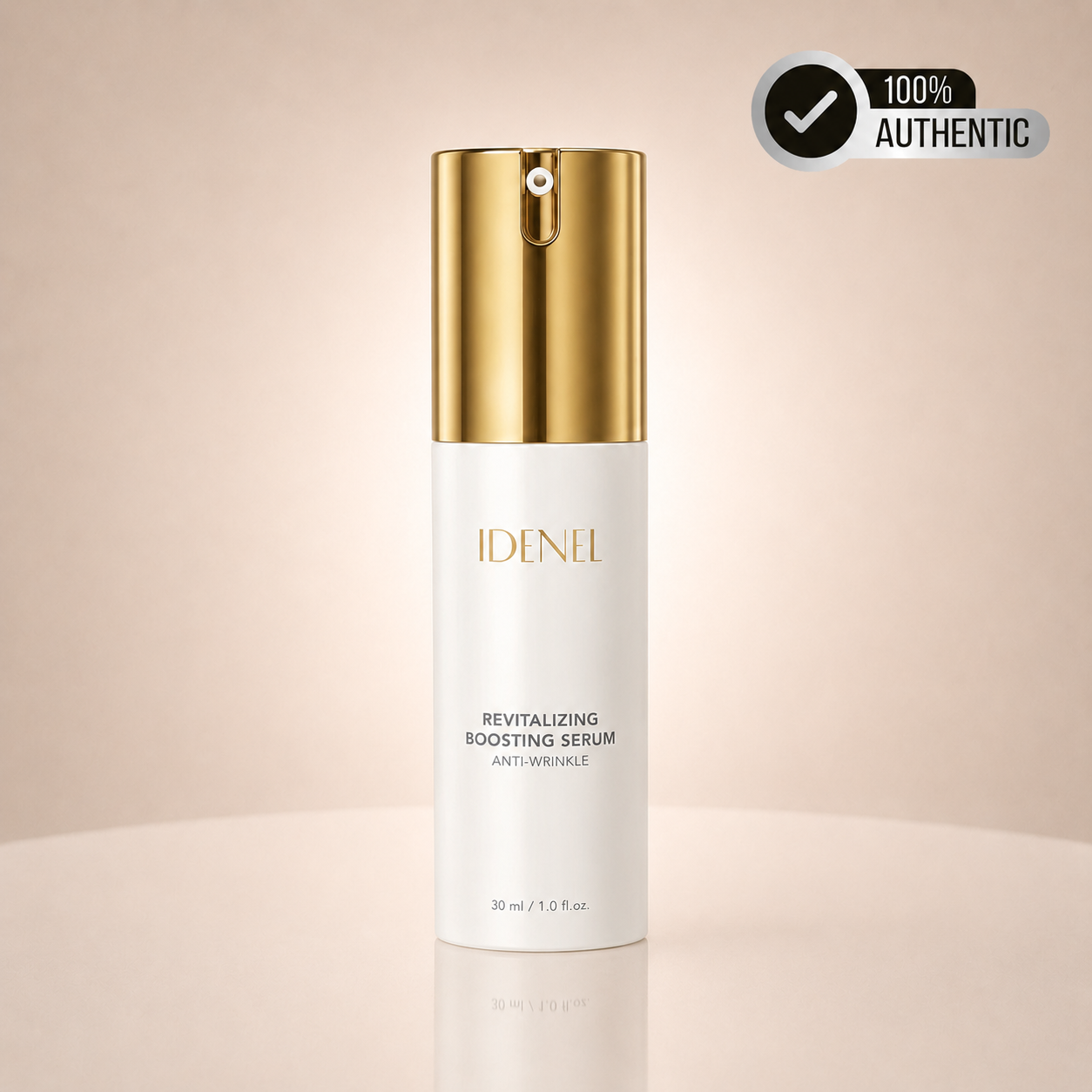
For those interested in incorporating spicule technology into an established skincare routine, IDENEL's spicule skincare collection offers serum and cream options designed around its ALTUM® Peptide technology.
When it comes to spicules, understanding what's in the formula and how it's made can be far more useful than simply asking how much you can feel it.
Clinical Studies:
Enhanced Delivery of Therapeutic Peptides Using Spicule-Based Topical Systems
A Novel Dermal Delivery System Using Natural Spicules for Cosmetics and Therapeutics
Topical Application of Sphistin12-38 Combined with Sponge Spicules for Acne Treatment
More Videos:
Idenel Cream + Serum: Should You Use Both?
Can You Use LED Light Therapy After Spicule Skin Care?
Do You Need a Patch Skin Test Before Using Spicule Skin Care?
DISCLAIMER: This video does not contain any medical or health related diagnosis or treatment advice. Content provided on this YouTube Channel is for informational purposes only. For any medical or health related advice, please consult with a physician or other healthcare professionals. Further, information about specific products or treatments within this video are not intended to diagnose, treat, cure or prevent disease.