




The at-home skincare device market has exploded. Today, you can choose from LED masks, facial sculpting tools, vibration devices, targeted LED treatments, radio frequency, ultrasound, and microneedling tools, among many others.
Having more options can be exciting, but it can also make your routine confusing. Which device should you use first, and where does it fit into your routine? Which devices can be used together, and which ones should you avoid using at the same time? It can feel like you're solving a puzzle every time you add another device to your routine.
The good news is that building a device routine doesn't have to be complicated. Instead of thinking about each device as a separate treatment, think about what role it plays in your overall routine and how it fits with the devices and products you are already using. The goal isn't to use every device you own every time. It's to understand how to layer them thoughtfully.
The Foundational Routine
LED Light Therapy: Start Here
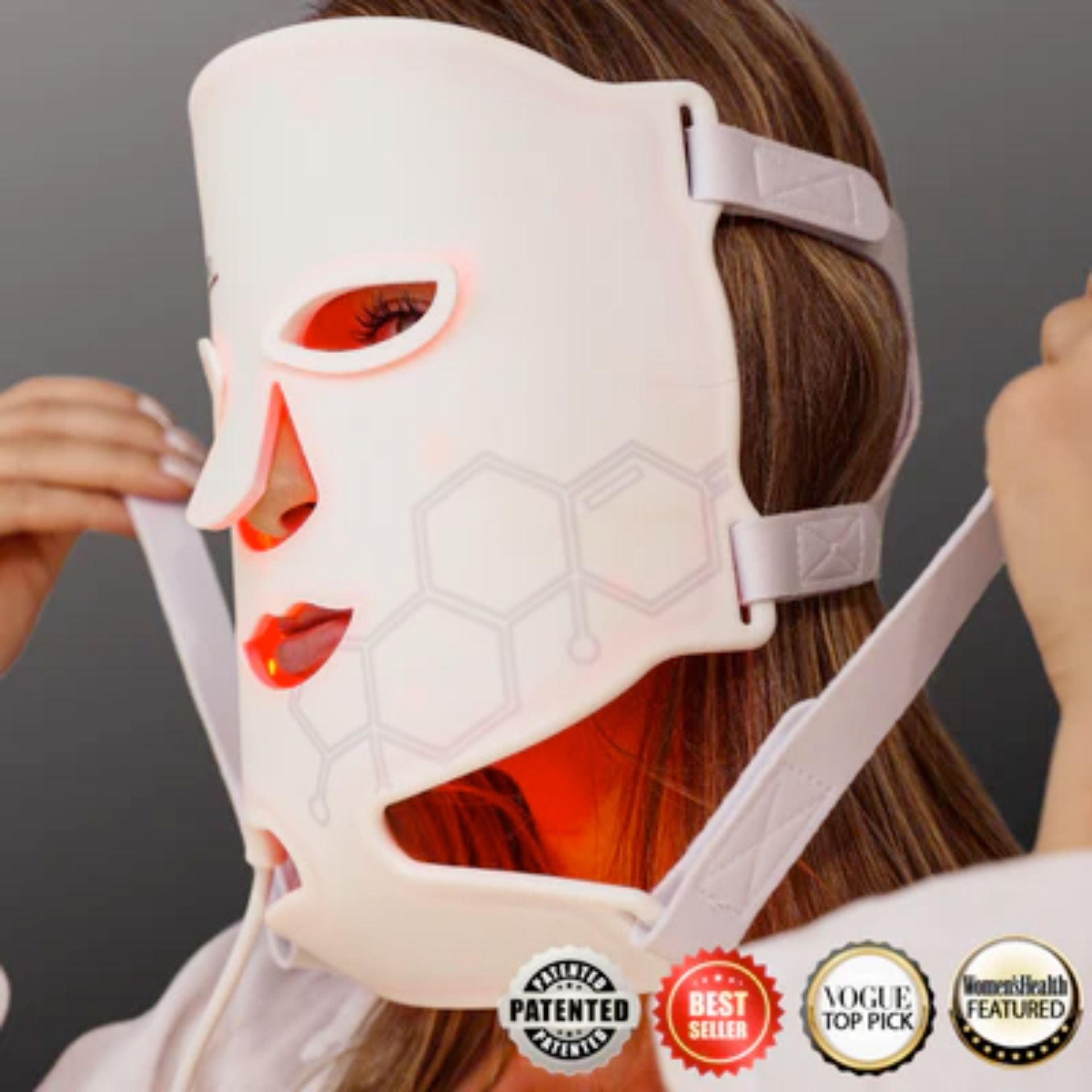
If you're combining multiple at-home devices, LED light therapy is a natural place to begin. Rather than thinking of it as something that needs to compete with your other devices, consider where it can serve as an early, supportive step in your routine.
LED light therapy works well early in the routine because it can serve as a consistent, supportive first step before moving on to other treatments. It's flexible enough to use during the day or at night, depending on what fits your schedule.
After using your LED light mask, you can move to your facial sculpting, targeted, or RF devices, depending on what you're using that day. Avoid using LED light therapy after you've already irritated or opened the skin, such as after microneedling or another treatment that may leave the skin more sensitive.
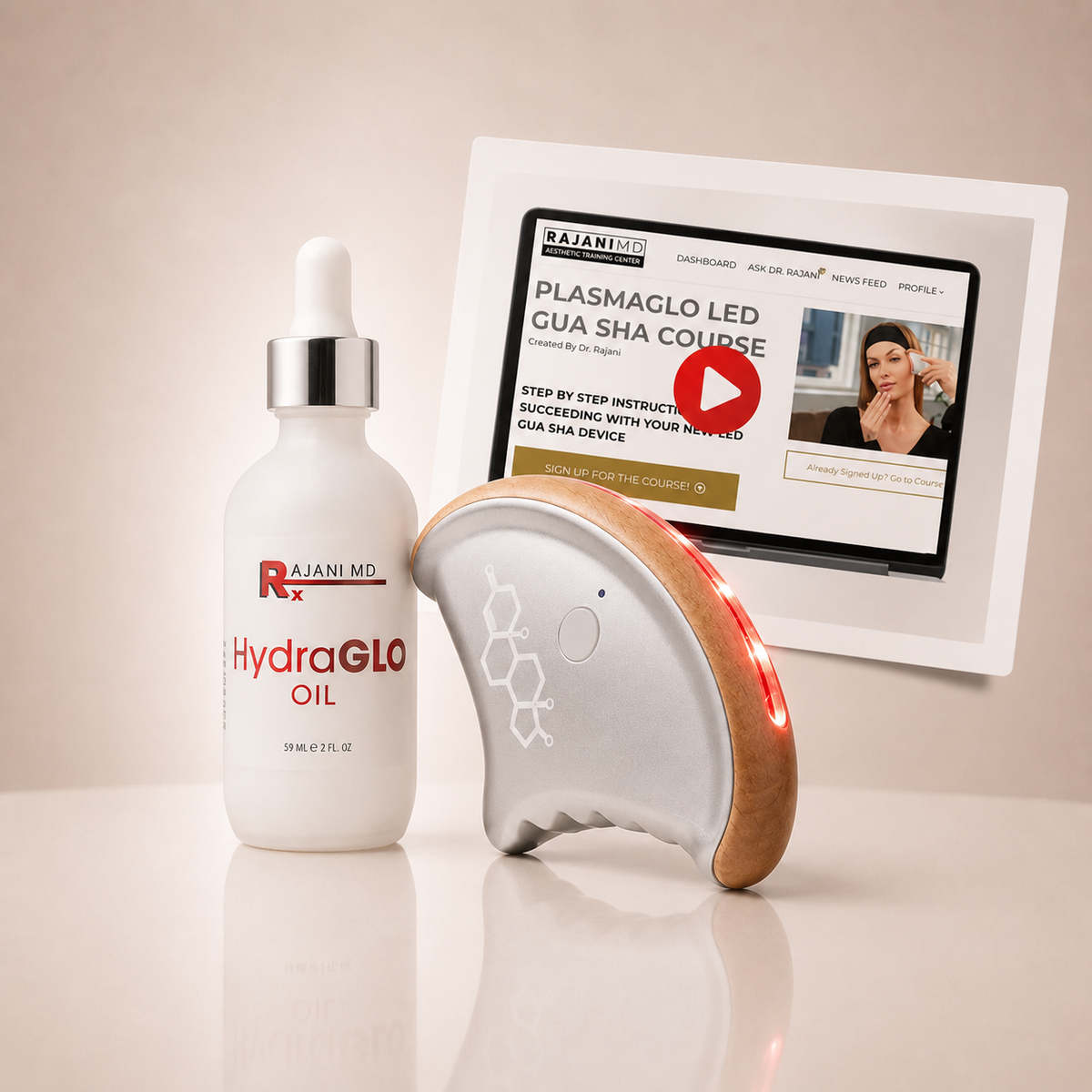
Gua Sha & Facial Sculpting: Sculpt and De-Puff
Gua sha and other facial sculpting tools have a different role in your routine than LED light therapy. Rather than being a treatment you need to layer into every session, think of gua sha as a movement, sculpting, and de-puffing step.
This makes it particularly useful earlier in your routine, especially in the morning when facial puffiness may be more noticeable. Gentle facial massage can also be a relaxing way to release facial tension and incorporate massage into your routine.
Because gua sha involves pressure and movement across the skin, it's best used before treatments that open or significantly affect the skin, rather than afterward.
After using your LED light mask, you can move into your gua sha routine before continuing with other devices you're using that day. If you're planning to microneedle, gua sha should be completed beforehand.
And remember, more isn't necessarily better. You don't need a lengthy routine to make gua sha part of your day.
Facial Vibration: Massage and Product Application
Facial vibration devices can occupy a similar place in your routine as gua sha, but they serve a different purpose. While gua sha is designed around facial sculpting and massage, vibration devices can be used for gentle facial massage, relaxation, and product application, depending on the device.
These qualities make it a natural fit earlier in your routine, after LED light therapy and, if desired, gua sha, before moving on to more intensive treatments such as RF or microneedling. As with the previous devices, avoid using a facial vibration device after you've opened or significantly irritated the skin.

Targeted Devices: Focus Where You Need Them
Once you've completed your foundational steps, you can add targeted devices based on the areas you want to focus on. These may include devices designed for the under-eye area or lips and mouth.
The key with targeted devices is that they don't necessarily need to be part of every routine. Think of them as additions that you can incorporate when a particular area is a priority and use them as needed. When combining targeted devices with other treatments, use them before more intensive steps such as RF or microneedling, unless the device's instructions indicate otherwise.
The goal isn't to add more steps simply because you have more devices. It's to choose the tools that make sense for your routine that day based on what your skincare needs are.


The Power Step
Radio Frequency: When You're Ready for More
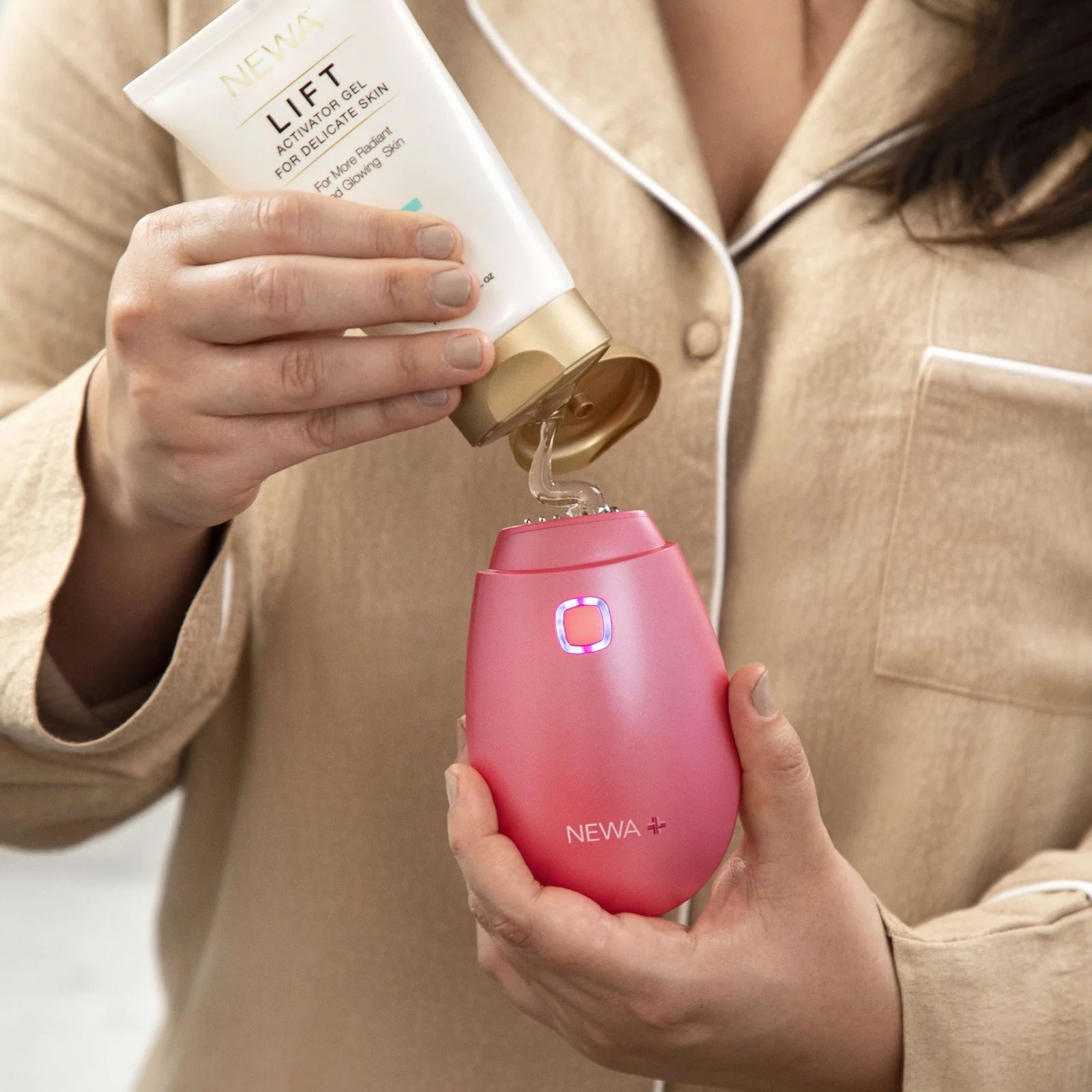
Starting with the foundational steps first allows you to establish a consistent routine before adding a more intensive treatment, like radio frequency. Because it uses energy that can produce heat, we think of it as the “power step” for those looking to step up their skincare routine.
You don't necessarily need to reach for the strongest treatment every time you use your devices. RF is not intended for daily use, and using it more frequently isn't likely to lead to better results. Consistency matters more than frequency here. It is important to follow the recommended schedule for your specific RF device.
RF belongs before microneedling, not after it. If you're planning to microneedle that day, complete your RF treatment first, then wash your face to remove any leftover gel before moving on to microneedling.
The Finish Line
Microneedling: The Last Step of Your Device Routine
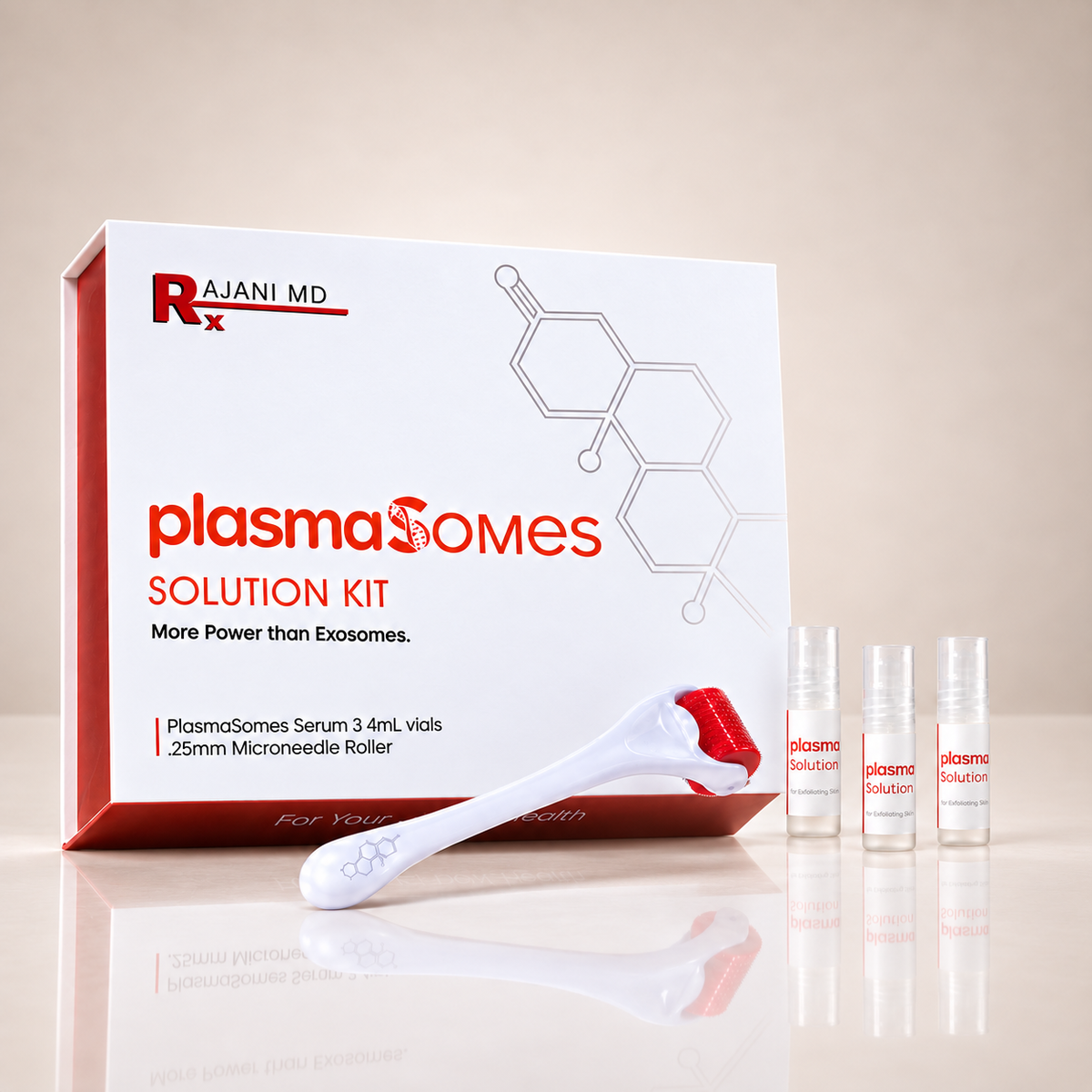
Microneedling is different from the other devices because it creates microchannels in the skin, making the order of it in your routine particularly important. Think of microneedling as the finish line for your device routine.
If you're combining microneedling with other devices, complete them beforehand. This allows microneedling to remain the final treatment step rather than something you do midway through a routine.
Follow the instructions for your specific device and the products you're using. Depending on the protocol, approved post-microneedling products may be added as part of your routine, but resist the urge to keep layering on treatments. Avoid rubbing, dragging, heating, or layering additional active products onto the skin simply because they're part of your usual routine.
Once you've finished your microneedling session, that's it for your skincare routine. Give your skin some time to recover.
Bonus: Cooling & Cryo Devices
Cooling and cryo devices don't necessarily need a designated place in your core device sequence. Instead, think of them as an optional soothing and de-puffing step that can be used when it makes sense for your routine.
For example, a cooling tool may feel particularly good in the evening after a long day or whenever your face feels warm or stressed. Cooling can also be incorporated when you're looking for a refreshing facial massage or a temporary de-puffing effect.
Because cooling serves a different purpose from your foundational and treatment-focused devices, there's no need to force it into every routine. Use it when it complements what you're trying to accomplish that day and follow the instructions for your specific device.

Frequently Asked Questions
Can you use multiple skincare devices in the same routine?
Yes, multiple at-home skincare devices can be incorporated into the same routine, but the order matters. Consider the role and intensity of each device, follow the manufacturer's instructions, and avoid combining treatments that may be too much for your skin.
What order should I use my at-home skincare devices?
A general routine can start with foundational steps like an LED light mask, followed by facial sculpting or vibration, then more intensive treatments such as RF. If you're microneedling, it should be the final device treatment in your routine.
How often should I use an at-home microneedling device?
Microneedling is typically used less frequently than other at-home devices, since it's more intensive and creates microchannels in the skin. It's best to follow the specific instructions and recommended schedule for your device.
What skincare devices should you not use together?
Not every device needs to be used in every session. Treatments that involve opening, irritating, or significantly affecting the skin may require more careful spacing from other devices. Always follow the instructions for your specific device and consider your skin's needs when deciding what to combine.
Putting It All Together
Once you understand where each device fits, combining them becomes much easier. Start with your foundational steps, add your power step when it makes sense, finish with microneedling if you're using it that day, then let your skin rest. Knowing where each device belongs is what makes a routine work, not how many devices you use.
Clinical Studies:
Determining the Efficacy of Red and Near-Infrared Light Treatment
Efficacy and Safety of a Home-Use Multi-Energy Device for Skin Rejuvenation
Efficacy and Tolerability of a Microneedling Device for Facial Wrinkles
Gua Sha's Effect on Microcirculation of Surface Tissue: A Pilot Study
More Videos:
How To Combine The Best At Home Beauty Devices For Ultimate Results
Dr. Rajani's 2026 Skin Care Routine Live Stream
How To Use NEWA RF for Skin Tightening
Best Home Skin Devices to Look Younger !!
DISCLAIMER: This video does not contain any medical or health related diagnosis or treatment advice. Content provided on this YouTube Channel is for informational purposes only. For any medical or health related advice, please consult with a physician or other healthcare professionals. Further, information about specific products or treatments within this video are not intended to diagnose, treat, cure or prevent disease.