
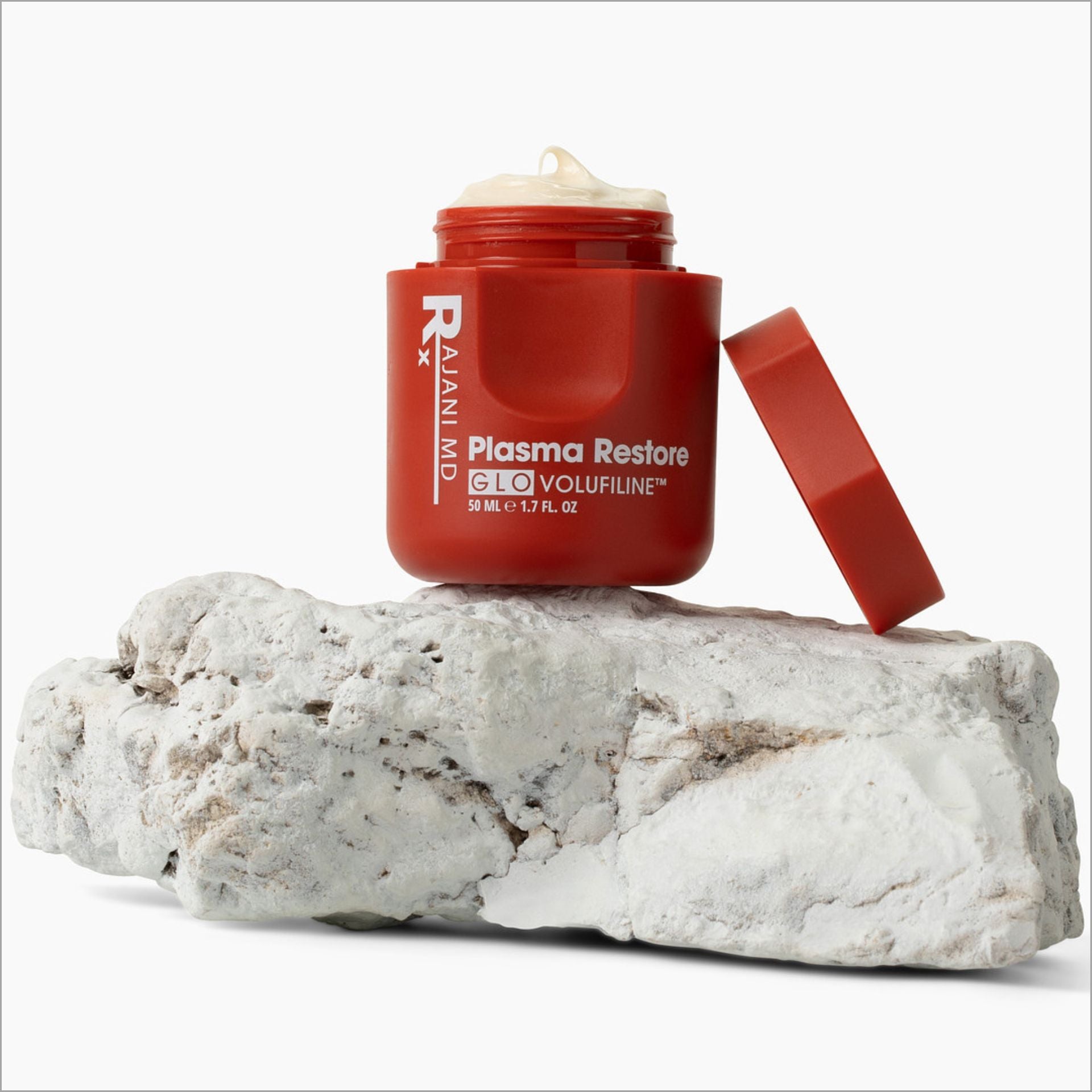
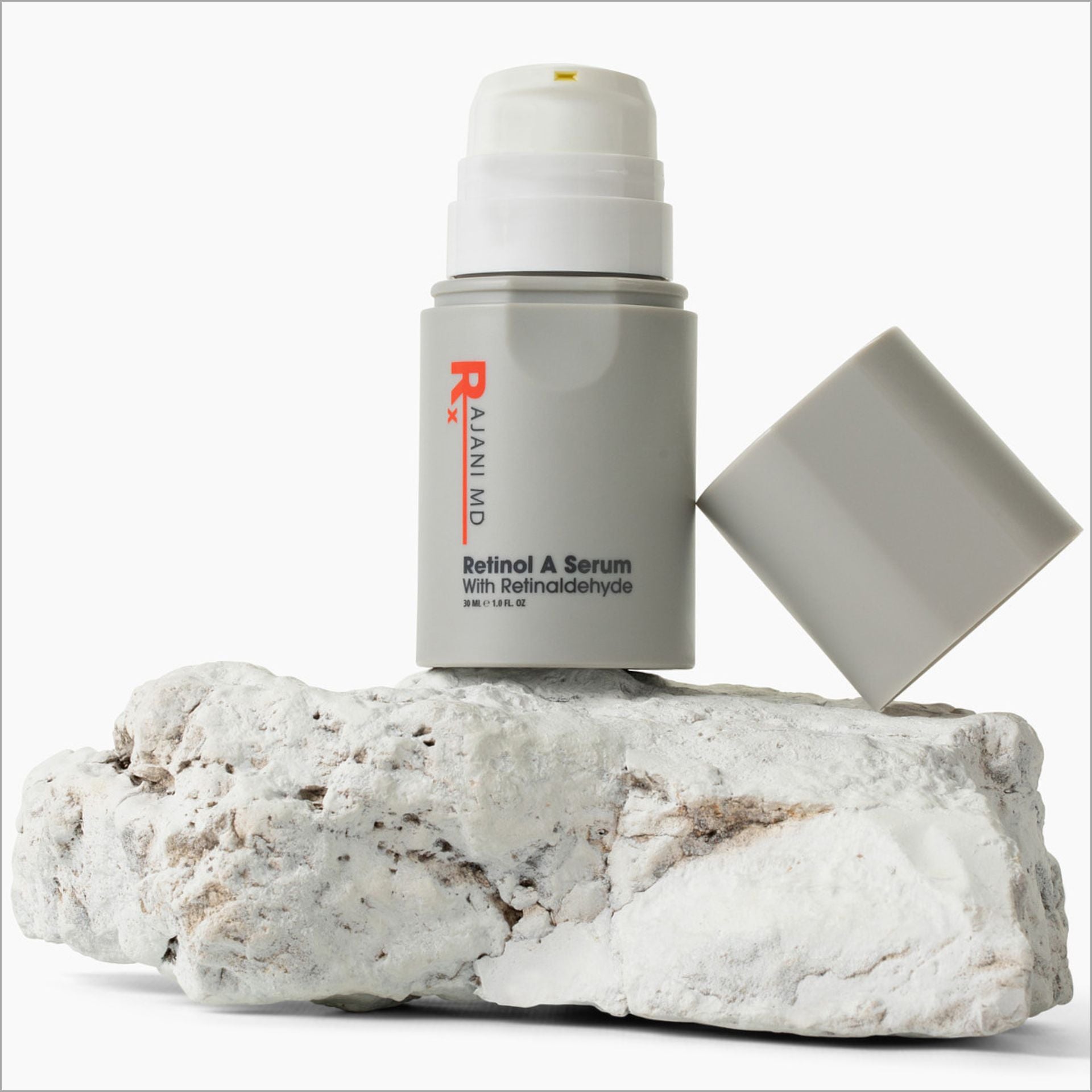






Sleep is essential to overall wellness and plays an important role in maintaining healthy-looking skin. During sleep, the body naturally shifts into repair and renewal processes that support skin barrier function, hydration, and recovery from daily environmental stressors.
Interest in the connection between sleep and skin aging has grown as research continues to explore how sleep quality, stress regulation, and daily habits influence visible signs of aging. Rather than relying on quick solutions, a consistent nighttime routine that supports quality sleep and nutritional balance may help promote healthier-looking skin over time.
The Connection Between Sleep and Skin Aging
Sleep and skin ageing are closely connected because the skin constantly responds to internal and external factors, including oxidative stress, environmental exposure, and lifestyle habits.
During deeper stages of sleep, the body supports natural repair processes that help maintain skin structure and function. Poor sleep quality or inconsistent sleep patterns may affect the skin’s ability to recover, potentially contributing to a tired appearance, reduced radiance, and changes in skin texture.
A healthy sleep routine is not only about the number of hours spent asleep. Factors such as stress management, nutrition, hydration, and a consistent bedtime schedule all contribute to supporting long-term skin wellness.
How a Sleep Stack May Support Skin Wellness
A sleep stack refers to combining complementary nutrients and lifestyle habits that support a balanced nighttime routine. The goal is not to replace healthy sleep habits but to create an environment that supports relaxation and recovery.
When considering the best supplements for sleep and skin, it is important to focus on ingredients that support overall wellness rather than promising immediate changes.
-
Magnesium for sleep support: Magnesium is involved in nervous system regulation and muscle function. Some individuals include magnesium in their evening routine because it may help support relaxation and restful sleep.
-
Melatonin and skin considerations: Melatonin is naturally produced by the body and helps regulate the sleep-wake cycle. Beyond its role in regulating sleep patterns, melatonin has also been studied for its antioxidant activity and potential relationship with skin wellness.
-
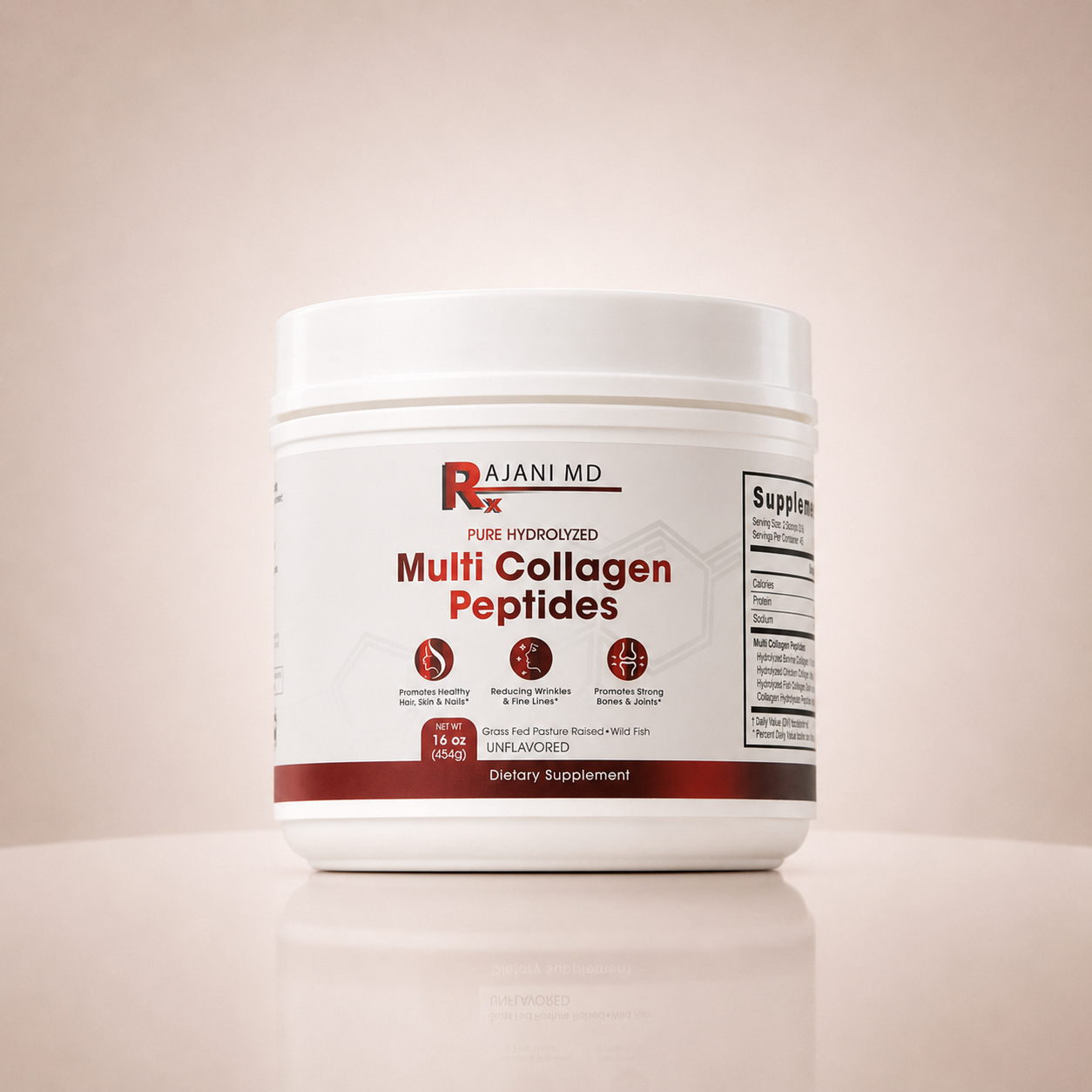
Collagen support as part of a nighttime wellness routine: Collagen peptides are commonly used to support skin hydration and elasticity. Rajani MD Multi Collagen Peptides Powder combines multiple collagen sources and may support skin wellness when used as part of a consistent routine.
Why Consistency Matters More Than Quick Fixes

Skin renewal and visible skin changes are gradual processes influenced by many factors. A nighttime routine that combines adequate rest, balanced nutrition, and targeted supplements may help maintain healthy-looking skin over time.
For example, omega-3 fatty acids are another nutritional component often included in wellness routines. Krill Oil Softgels provide omega-3 fatty acids along with naturally occurring astaxanthin, which may support antioxidant activity and overall wellness.
A thoughtful sleep routine also includes non-supplement habits such as reducing evening light exposure, maintaining a regular sleep schedule, and creating a relaxing environment before bedtime.
Building a Balanced Nighttime Routine
A supportive nighttime routine does not need to involve multiple complicated steps. A simple approach may include:
-
Maintaining a consistent sleep and wake schedule
-
Following a calming evening skincare routine
-
Prioritizing nutrient-dense foods
-
Including supplements that fit individual wellness goals
-
Allowing enough time for quality sleep
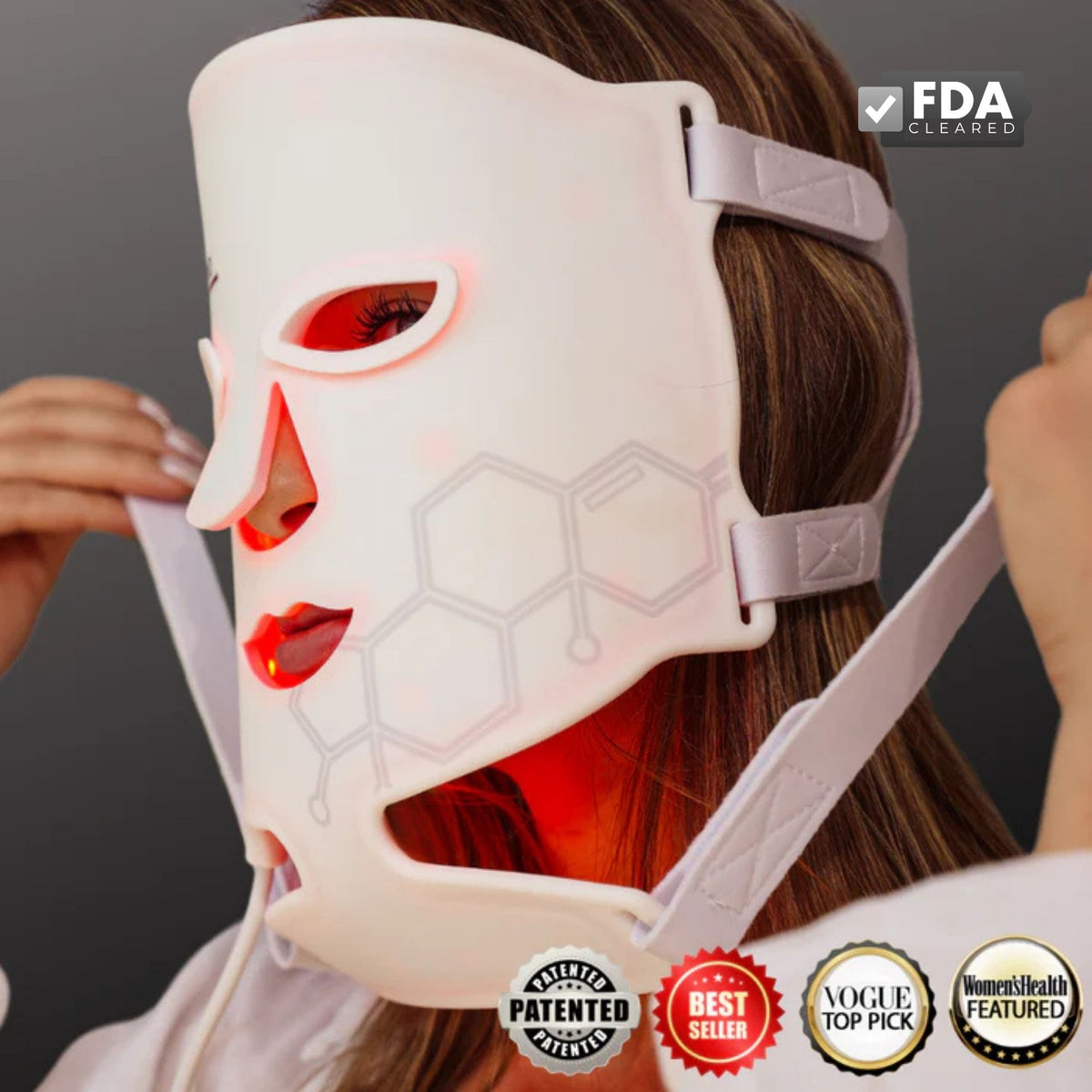
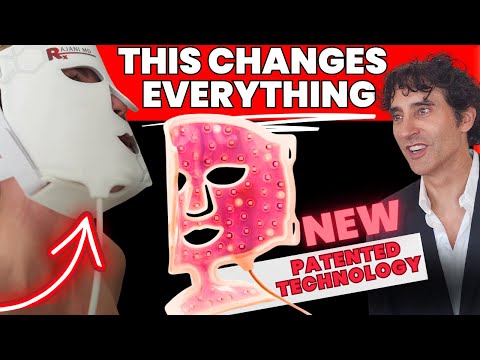
For those exploring devices and skincare as part of a healthy aging routine, technologies such as LED light therapy may also complement a broader approach to skin wellness. PlasmaGLO LED Face and Jowl Mask uses specific light wavelengths designed for at-home skincare routines.
```html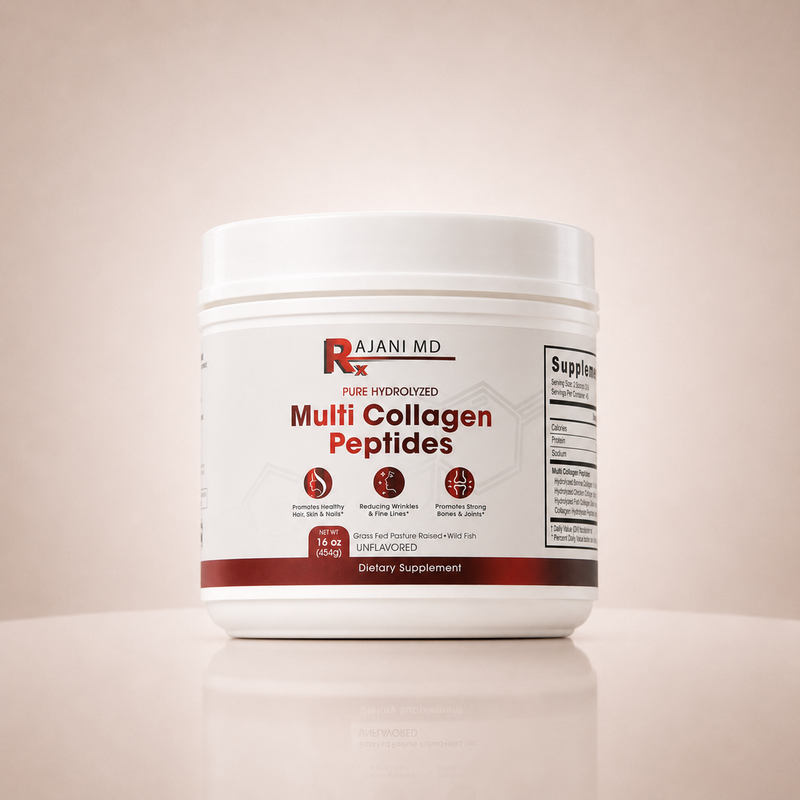

Frequently Asked Questions
1. How are sleep and skin aging connected?
Sleep supports the body’s natural recovery processes, and consistent, quality sleep may help maintain healthy-looking skin as part of a broader wellness routine.
2. Can supplements support better sleep and skin health?
Certain supplements may support relaxation, nutritional balance, and skin wellness when combined with consistent lifestyle habits and a healthy routine.
3. How does magnesium support sleep?
Magnesium is involved in processes related to nervous system regulation and muscle function, which may help support a more restful nighttime routine for some individuals.
4. What is the connection between melatonin and skin?
Melatonin is best known for its role in regulating the sleep-wake cycle, but research also explores its antioxidant properties and potential role in supporting the skin’s natural defences.
5. Are sleep supplements a replacement for a good skincare routine?
No. Supplements may complement a healthy lifestyle, but consistent sleep habits, balanced nutrition, and appropriate skincare remain important parts of supporting overall skin wellness.
Supporting a Healthy Skin Routine
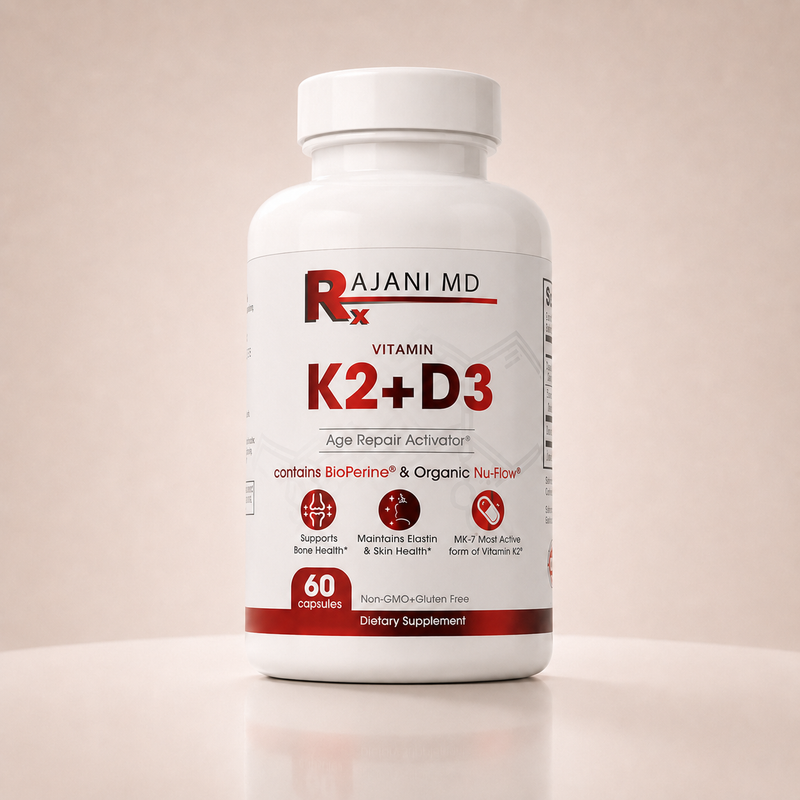
Sleep, nutrition, and skincare all play different roles in supporting healthy-looking skin. A sleep-focused supplement routine is not a replacement for consistent rest, but ingredients such as magnesium, melatonin, and collagen peptides may complement broader wellness habits when used appropriately.
The connection between sleep and skin aging continues to be explored, but maintaining a consistent nighttime routine that includes quality sleep, balanced nutrition, and targeted supplements may help support overall wellness over time.
Consider Rajani MD supplements as part of a broader healthy aging routine that includes consistent sleep, balanced nutrition, and appropriate skincare habits
*These statements have not been evaluated by the Food and Drug Administration. This product is not intended to diagnose, treat, cure, or prevent any disease.
Disclaimer: This article is educational and not medical advice. Consult with your healthcare professional before starting any new supplement routine, especially if you have existing health concerns or take medications.
References
-
Geusens, B., & Haykal, D. (2025). Genetic Profiling and Precision Skin Care: A Review. Frontiers in Genetics, 16, 1559510. https://pmc.ncbi.nlm.nih.gov/articles/PMC12170653/
-
Lyons, A. B., Moy, L., Moy, R., & Tung, R. (2019). Circadian Rhythm and the Skin: A Review of the Literature. Journal of Clinical and Aesthetic Dermatology, 12(9), 42–45. https://pmc.ncbi.nlm.nih.gov/articles/PMC6777699/
-
Slominski, A. T., et al. (2025). Melatonin and the Skin: Current Progress and Perspectives for Human Health. Journal of Investigative Dermatology, 145(6), 1345–1360.e2. https://pubmed.ncbi.nlm.nih.gov/39918482/
DISCLAIMER: This video does not contain any medical or health related diagnosis or treatment advice. Content provided on this YouTube Channel is for informational purposes only. For any medical or health related advice, please consult with a physician or other healthcare professionals. Further, information about specific products or treatments within this video are not intended to diagnose, treat, cure or prevent disease.