












 Account
Microneedling has become a familiar part of skin-smoothing routines because controlled mechanical stimulation may help support smoother-looking texture and a more refined appearance over time. As rollers, pens, and other at-home options have become more accessible, more people are exploring whether some of those benefits can be incorporated into a home skincare routine.
Not all microneedling tools work the same way. Needle depth, how often you use the device, how much pressure you apply, and how you care for your skin afterward can all affect how your skin responds. Using a deeper or more aggressive approach does not always mean better results.
So, is at-home microneedling safe, and what separates a sensible home routine from one that may lead to unnecessary irritation?
Let’s find out.
Is At-Home Microneedling Safe?
At-home microneedling may suit some people when a shallow device is used exactly as directed, but it is not risk-free. Avoid needling over active breakouts, rashes, open skin, cold sores, or irritated areas.
People with relevant skin or medical concerns should speak with a healthcare professional first.
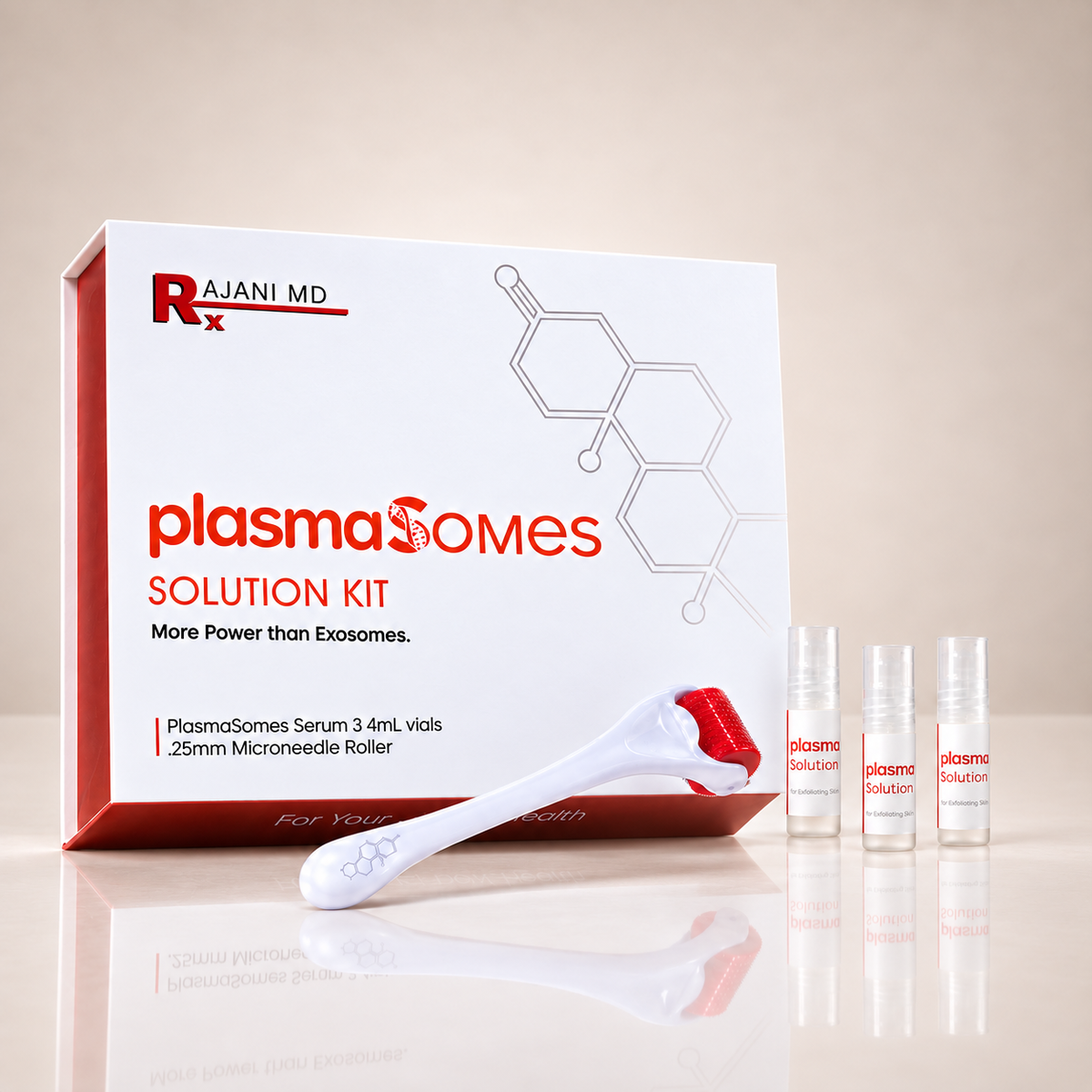
For example, the plasmaSOMES™ / Micro-Needle Kit uses a 0.25mm stainless steel dermaroller and includes three 4 mL plasmaSOMES serum vials. The recommended protocol includes disinfecting the roller, cleansing the skin, rolling gently, reapplying the serum, and cleaning the device before storage.
Microneedle Roller vs Derma Pen
In the microneedle roller vs derma pen comparison, the main difference is how the needles move.
A roller uses fixed needles on a cylinder that passes manually across the skin. A derma pen uses vertically moving needles and may offer adjustable depth and speed.
Pens can provide more controlled penetration, but deeper motorized devices may reach living skin layers and are generally better suited to trained professional use.
For a more superficial at-home option, this Micro-Needle Roller uses a 0.25 mm needle depth designed for home use.
How to Microneedle at Home More Safely
-
Start clean: Wash the treatment area and disinfect the roller before and after every session. Never share it.
-
Use light pressure: Pressing harder does not necessarily improve results and may increase irritation.
-
Follow a consistent pattern: Roll gently in horizontal, vertical, and diagonal directions, following the device instructions to avoid overworking the same area.
-
Avoid compromised skin: Do not roll over active acne lesions, infections, broken skin, or irritated areas.
-
Keep aftercare simple: Newly treated skin may be more reactive, so avoid layering several strong actives immediately afterward.
How Often Should You Microneedle at Home?

If you are asking how often you should microneedle at home, frequency depends on needle depth, device instructions, and skin response.
For the 0.25 mm at-home roller used in this system, once-weekly use is a cautious starting point, depending on your skin's response and the device instructions. Using it more often doesn't necessarily improve results and may increase irritation.
What to Apply After Microneedling
When considering what to apply after microneedling, it is generally best to keep the routine simple and follow the instructions provided with the specific device or system being used.
For the plasmaSOMES™ / Micro-Needle Kit, the accompanying protocol pairs the 0.25 mm roller with the plasmaSOMES™ serum before and after rolling. The formula contains hyaluronic acid, tranexamic acid, niacinamide, panthenol, lipids, and targeted polypeptides.
It is important not to assume that every topical product is appropriate for use with every microneedling device. The FDA notes that microneedling medical devices have not been cleared specifically for delivering cosmetics or other topical products into the skin. Skin may also temporarily become more sensitive to ingredients such as retinol, glycolic acid, menthol, capsaicin, and alcohol after treatment.
Keep the remaining routine gentle and follow appropriate sun-protection practices.
```html


```
Frequently Asked Questions
1. Is at-home microneedling safe for beginners?
At-home microneedling may be suitable when you use a shallow device carefully and follow the instructions. Hygiene, needle depth, and skin condition all play an important role in reducing irritation.
2. How often should you microneedle at home?
For shallow at-home rollers, once-weekly use may be a cautious starting point, depending on your skin's response and the device's guidance. More frequent use does not necessarily improve results.
3. Is a microneedle roller better than a derma pen?
Neither is universally better. Rollers are typically simpler for superficial home use, while derma pens offer greater depth control and are often better suited to professional settings for deeper treatment is involved.
4. What should you apply after microneedling?
Gentle, hydrating products formulated for post-treatment use may help support skin comfort. It's generally best to avoid strong actives such as retinol or exfoliating acids immediately afterward.
5. What are spicules in skincare?
Spicules are microscopic needle-like structures used in some topical products to interact with the skin’s surface. They differ from traditional microneedling and may not suit every skin type.
Supporting a Careful At-Home Routine
The most important question with at-home microneedling is not how aggressively you treat the skin, but whether the device, needle depth, hygiene, and frequency are appropriate for home use.
Shallow microneedling may help support smoother-looking texture and overall skin renewal when used consistently and according to the recommended protocol. Deeper needling, however, carries different considerations and may be better suited to professional treatment settings.
For anyone considering at-home microneedling, careful technique, proper aftercare, and realistic expectations matter more than increasing depth or frequency.
Explore the plasmaSOMES™ / Micro-Needle Kit and review the complete at-home protocol to see how it may fit into a consistent skincare routine.
Disclaimer: This article is educational and not medical advice. Follow device instructions and consult a healthcare professional if you have a skin condition, take medication that affects bleeding or healing, or have concerns about microneedling.
References
-
U.S. Food and Drug Administration. (2025). Microneedling Devices: Getting to the Point on Benefits, Risks and Safety. Read the FDA guidance
-
Moon, J. Y., et al. (2026). “Hidden risks behind the cosmetic use of silica spicules for transdermal delivery.” Journal of the American Academy of Dermatology, 94(4), e285–e286. View the PubMed record
DISCLAIMER: This video does not contain any medical or health related diagnosis or treatment advice. Content provided on this YouTube Channel is for informational purposes only. For any medical or health related advice, please consult with a physician or other healthcare professionals. Further, information about specific products or treatments within this video are not intended to diagnose, treat, cure or prevent disease.