






Wrinkles around the mouth can be some of the most stubborn signs of aging to address. You may be consistent with your skincare, use retinoids, incorporate red light therapy, and still notice fine lines, deeper folds, or changes around the corners of your mouth.
That doesn't necessarily mean your skincare has stopped working.
The challenge is that what looks like a wrinkle at the surface isn't always just a skin concern. The skin, facial movement, fat pads, ligaments, and other underlying structures can all influence how the lower face changes over time.
Understanding these different layers can help explain why there isn't one cream, device, or treatment that does everything. Instead, it helps to think about addressing wrinkles around the mouth in three areas: skin, support, and position. But before looking at each one, it helps to understand why this area can be so difficult to address in the first place.
Why Are Wrinkles Around the Mouth So Hard to Treat?
The mouth is also one of the most dynamic areas of the face. Talking, eating, smiling, and other expressions repeatedly engage the muscles surrounding it, and that constant movement plays a role in how lines form over time. At the same time, the skin and deeper structures of the face naturally change with age.
Changes in collagen can affect the appearance of firmness and texture at the surface. Beneath the skin, changes involving facial fat and supporting structures can influence the folds and contours around the mouth. Together, these factors can contribute to fine lines, folds, and the textured pattern around the mouth sometimes referred to as “cobblestoning.”
That's why treating every visible line as though it were simply a surface wrinkle has limitations. But because the skin itself can contribute to the appearance of fine lines and texture, it's an important place to start.
Start With the Skin
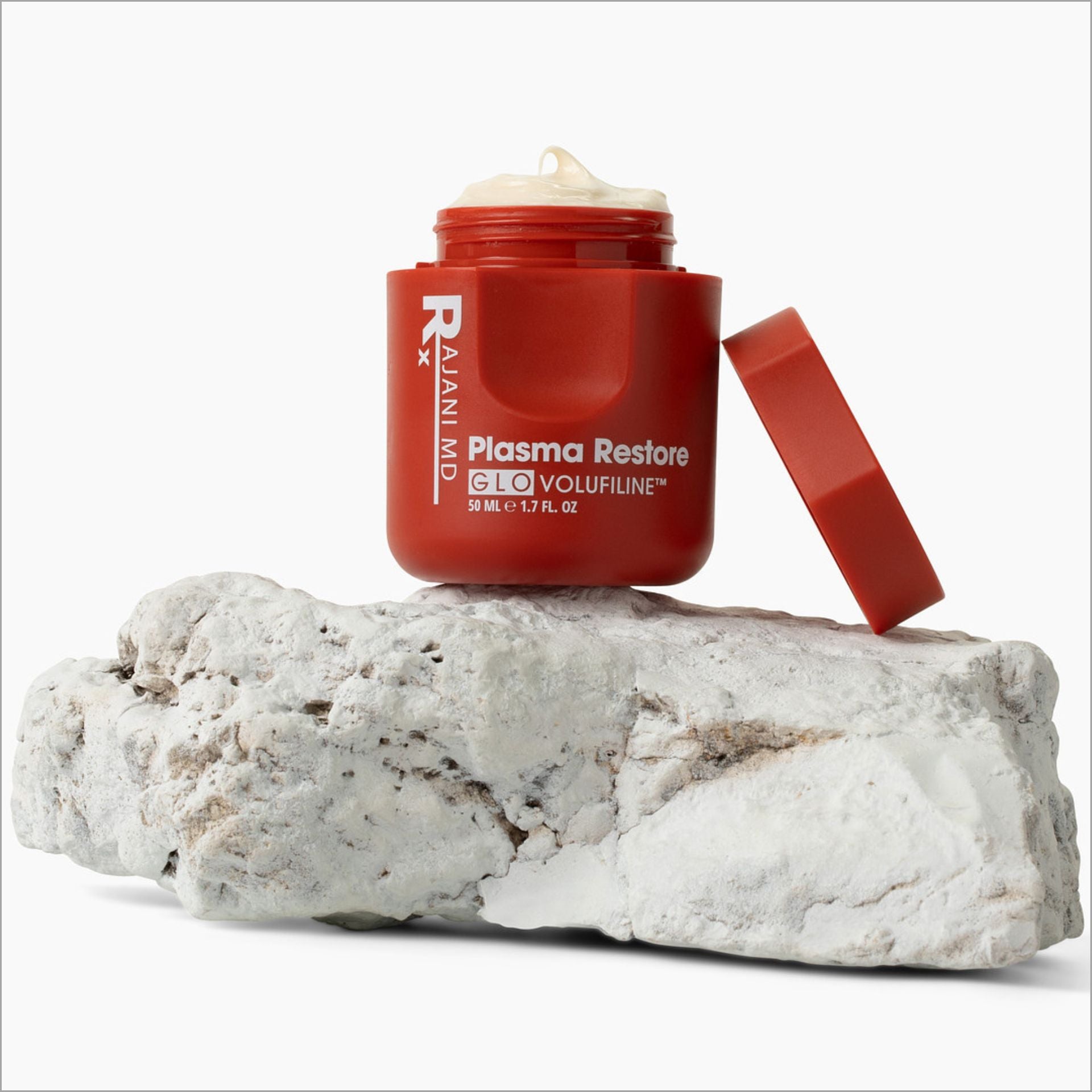
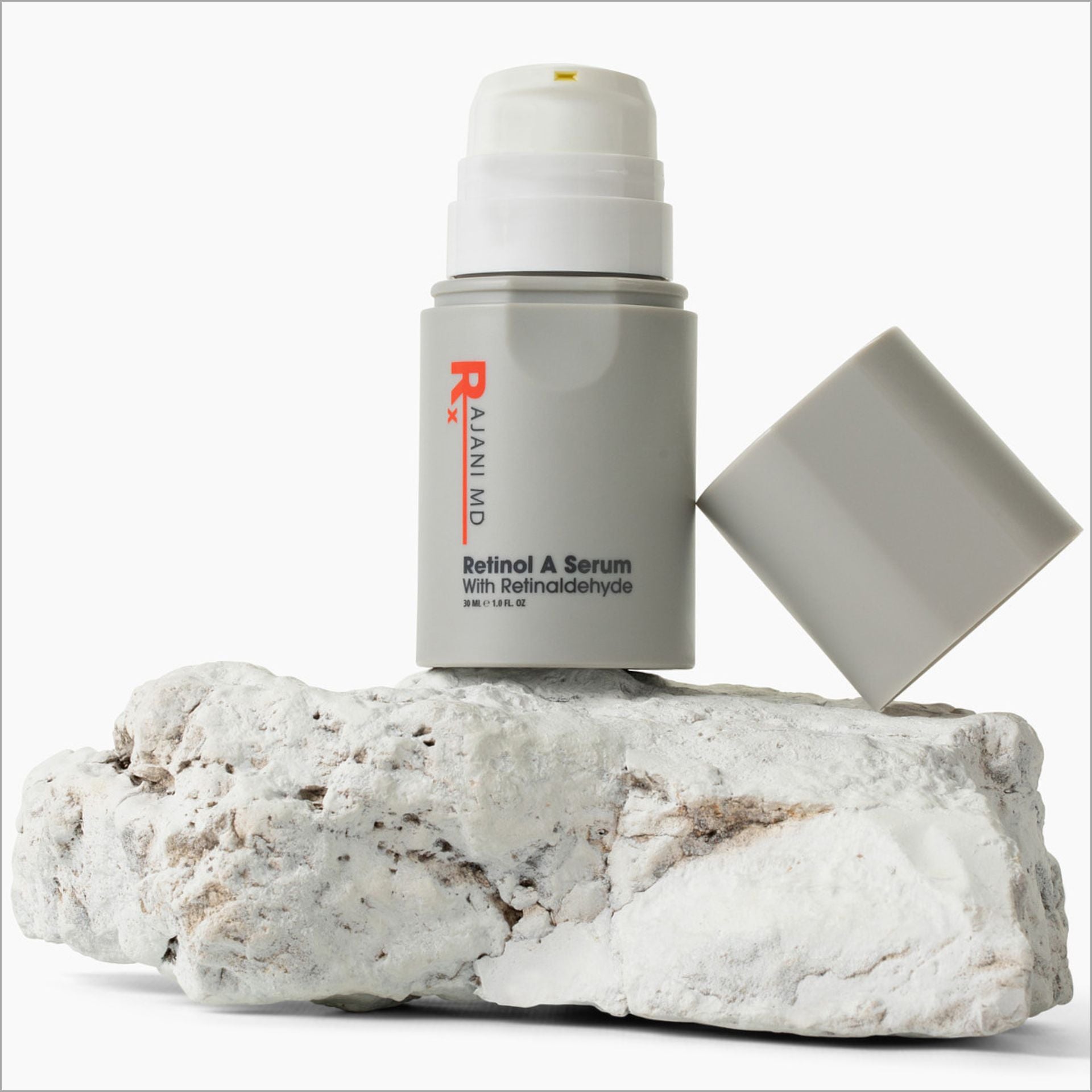
A well-rounded skincare routine can support overall skin quality and help improve the appearance of concerns such as fine lines, uneven texture, and discoloration.
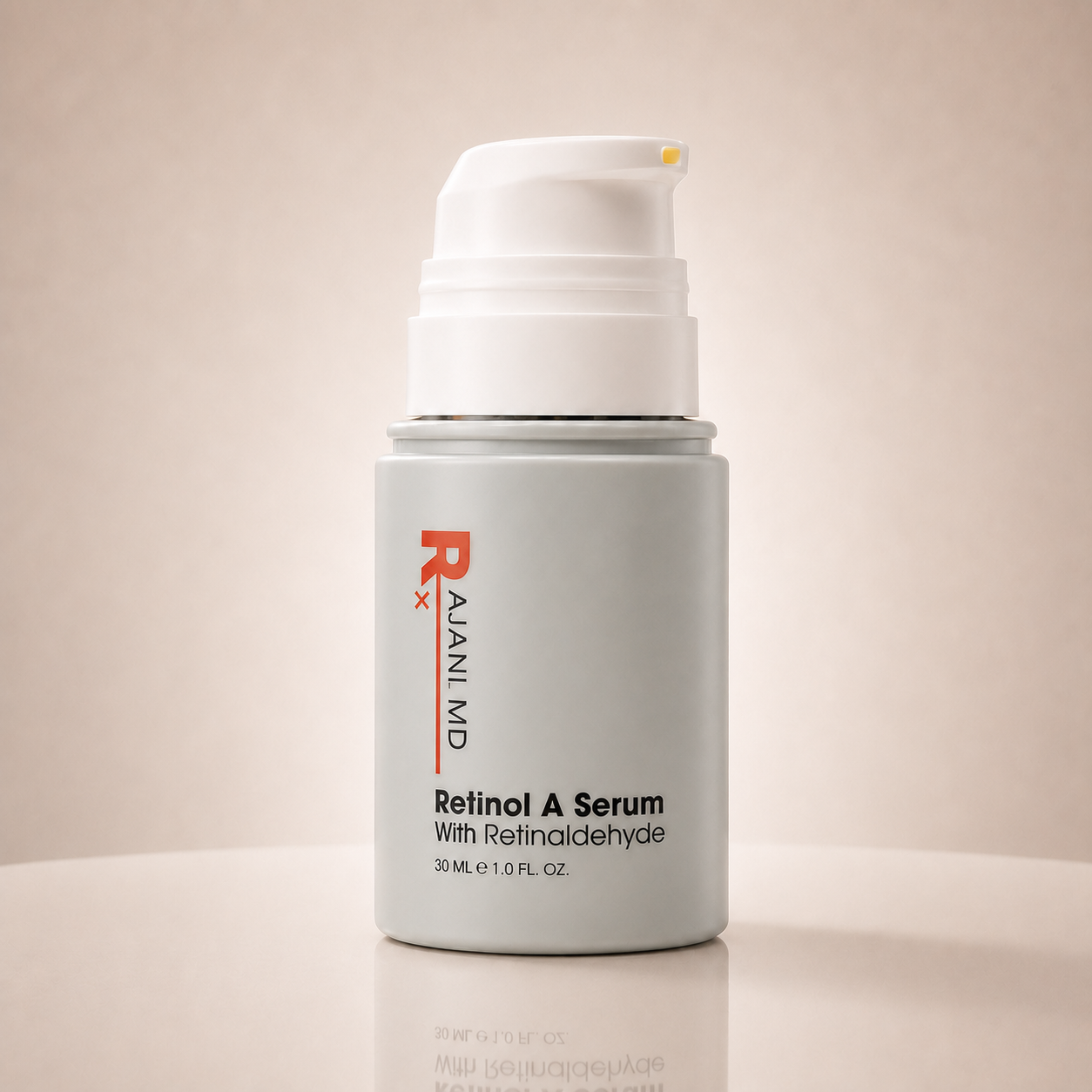
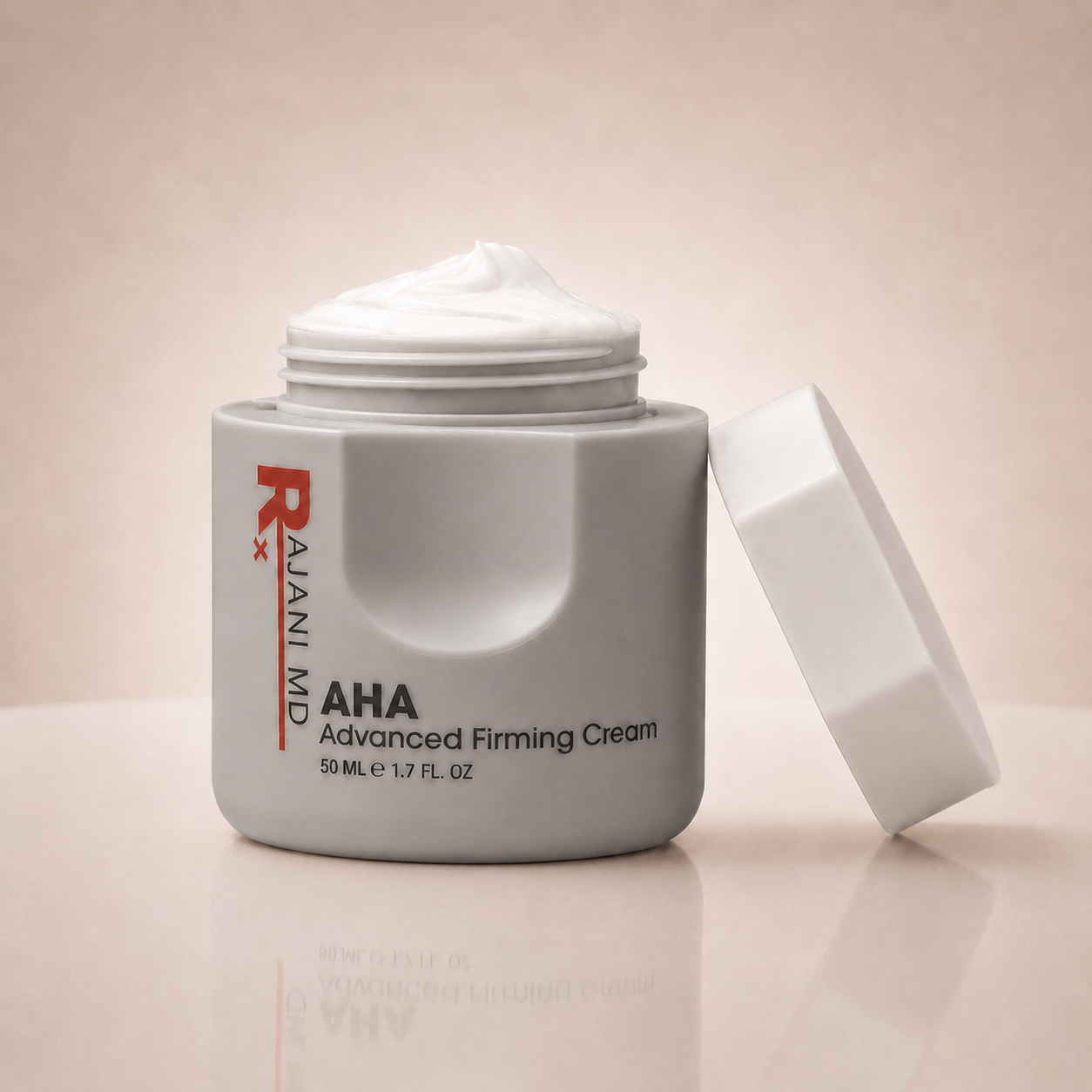
Depending on your skin and routine, this may include retinoids and alpha hydroxy acids (AHAs). Other options, including peptide skincare, spicules, red light therapy, and certain at-home skincare devices, can also be incorporated into a routine.
The key isn't to use more products or choose the strongest options available. It's to build a routine that you can use consistently, while giving your skin appropriate time to recover between more intensive treatments.
And don't overlook the basics. Gentle cleansing, hydration, moisturizing, and daily sun protection remain essential parts of caring for your skin.

Why Does It Feel Like Your Skincare Stopped Working?
There may come a point when you look in the mirror and feel like your skincare isn't making the same noticeable difference it once did.
One explanation is simply that you've become accustomed to the changes you've already achieved. An improvement that once seemed dramatic can gradually become your new normal, making it harder to notice.
There can also be a limit to what a particular skincare product or at-home treatment is designed to accomplish. If you've improved the appearance of your skin but still have concerns around the mouth, using more skincare may not create the result you're looking for. Some of what you're seeing may involve the structural support beneath the skin, something a skincare routine isn't designed to address.
This is also where more isn't always better. Continually adding stronger actives, increasing exfoliation, or stacking intensive treatments and devices without enough recovery time can leave skin feeling dry, sensitive, or irritated, which may make texture and fine lines more noticeable.
A persistent wrinkle doesn't automatically mean you need a stronger skincare routine. Instead, it may be time to consider whether a different type of option could better address what's left.
Consider the Support Beneath the Skin
If you've optimized your skincare routine but still have concerns around the mouth, it helps to understand what can happen as the support beneath the skin changes.
As we age, facial fat and other supporting structures can shift or diminish, influencing the folds and contours around the mouth. This helps explain why even a well-designed skincare routine may not address every aspect of lower-face aging.
It's also why addressing a visible line isn't always as simple as placing filler directly into it. When changes in facial support are contributing to a fold, adding volume to the line itself may not address the underlying loss of support. For some, this may mean considering options that focus more broadly on restoring support.
Depending on the individual, professional options may include biostimulatory treatments such as Sculptra, platelet-rich fibrin (PRF), fat restoration or transfer, and newer approaches such as ECM boosters intended to address aspects of the skin's underlying framework. Professional treatments, including injectables and surgery, carry potential risks and may not be appropriate for everyone. Consult a qualified, experienced medical provider to discuss the potential benefits, risks, and suitability for your individual needs.
These treatments address something fundamentally different from topical skincare, but they don't all work the same way, and they aren't appropriate for everyone. A qualified medical professional can help determine which options, if any, may be right for your individual concerns.

When Repositioning May Be Considered
Restoring support isn't the same as physically repositioning tissue.
Over time, changes in facial support and the effects of gravity can contribute to tissue sitting lower than it once did. Skincare and treatments that restore volume or support don't physically reposition that tissue.
When someone wants a degree of repositioning that nonsurgical approaches aren't designed to provide, surgical options such as a facelift may be worth discussing with a qualified surgeon.
That doesn't mean everyone eventually needs, or should have, surgery. For many people, addressing the skin and underlying support provides the degree of improvement they're looking for without progressing to surgical repositioning. This is where expectations become especially important: someone looking for the greatest degree of repositioning may choose to discuss surgery, while someone with different goals may be satisfied with nonsurgical options.
A facelift serves a different purpose than skincare: it physically repositions tissue. At the same time, it doesn't make skincare or other treatments irrelevant. Each addresses a different aspect of facial aging, which is why understanding the result you want matters when weighing your options.
Frequently Asked Questions
What causes wrinkles around the mouth?
Wrinkles around the mouth can develop from a combination of factors, including changes in collagen, repeated facial movement, and age-related changes in facial fat and supporting structures.
Why are wrinkles around the mouth so hard to treat?
The mouth is a highly dynamic area that moves when you talk, eat, smile, and make other expressions. At the same time, the skin and underlying facial structures change with age. This combination can make wrinkles and folds around the mouth more complex.
Can skincare get rid of wrinkles around the mouth?
Skincare can help improve the appearance of fine lines, texture, and other visible signs of skin aging, but it may not address every factor contributing to wrinkles around the mouth. If changes in underlying facial support are contributing to deeper folds or contours, skincare alone may have limitations.
What are the treatment options for wrinkles around the mouth?
Options depend on the concerns being addressed and may range from skincare and at-home devices to professional treatments that address underlying support, as well as surgical options that reposition descended tissue.
How Should You Approach Wrinkles Around the Mouth?
The right approach depends on your individual concerns, the changes you'd like to address, and the results you're hoping to achieve.
- Start with the skin. Build a thoughtful skincare routine and use appropriate at-home treatments to support the appearance and quality of your skin.
- Restore support when needed. If you're considering greater degree of correction than skincare can reasonably provide, a qualified medical provider can help you understand whether professional options may be appropriate.
- Consider repositioning when appropriate. If repositioning descended tissue is the outcome you want, that is a conversation to have with a qualified medical provider.
Wrinkles around the mouth can be challenging because what you see at the surface may reflect several aspects of facial aging at once. Understanding the differences between these options can help you set realistic expectations and make the choice that actually fits what you're trying to achieve.
Clinical Studies:
Decline in Skin Collagen After Menopause
The Fat Compartments of the Face: Anatomy and Clinical Implications
Human Tissue Response to Injectable Poly-L-lactic Acid
More Videos:
Stop Wasting Money on Lower Face Aging
The Amazing New Treatment for Lip Lines
DISCLAIMER: This video does not contain any medical or health related diagnosis or treatment advice. Content provided on this YouTube Channel is for informational purposes only. For any medical or health related advice, please consult with a physician or other healthcare professionals. Further, information about specific products or treatments within this video are not intended to diagnose, treat, cure or prevent disease.