





Most people know they should take vitamin D. It is one of the most widely recommended supplements, and for good reason. But vitamin D3 is only one part of the calcium-support conversation. K2 supports calcium-regulating proteins involved in bone and cardiovascular wellness.
Vitamin D3 helps the body absorb calcium from food and supplements, while K2 helps complete the picture by supporting normal calcium metabolism. That is why these two nutrients are often paired together in healthy aging routines.
This pairing is not new science, but it is finally getting the attention it deserves, especially as researchers uncover how it influences not just bone and cardiovascular health, but skin aging as well. In this blog, we discuss how D3 and K2 work together, why MK-7 is the preferred form, and what this pairing means for your bones, heart, and skin.
How D3 and K2 Work Together
Vitamin D3 increases the production of proteins that depend on vitamin K2 to function. The most important of these are osteocalcin (which binds calcium to bone) and matrix GLA protein (MGP), which helps support normal calcium metabolism.
Without enough K2, these proteins remain inactive. Calcium floats freely in the bloodstream and can accumulate in blood vessel walls, contributing to arterial stiffness. Meanwhile, bones do not receive the calcium they need, which accelerates density loss over time.
Taking both together ensures that calcium goes where it should and stays away from where it should not. This is why the K2 D3 supplement combination has become a standard recommendation among integrative health practitioners.
MK-7: The Most Active Form of K2
Vitamin K2 comes in several forms, but MK-7 (menaquinone-7) is the one you want to look for. It has a longer half-life in the body than MK-4, meaning it stays active longer and provides more sustained support for calcium metabolism.
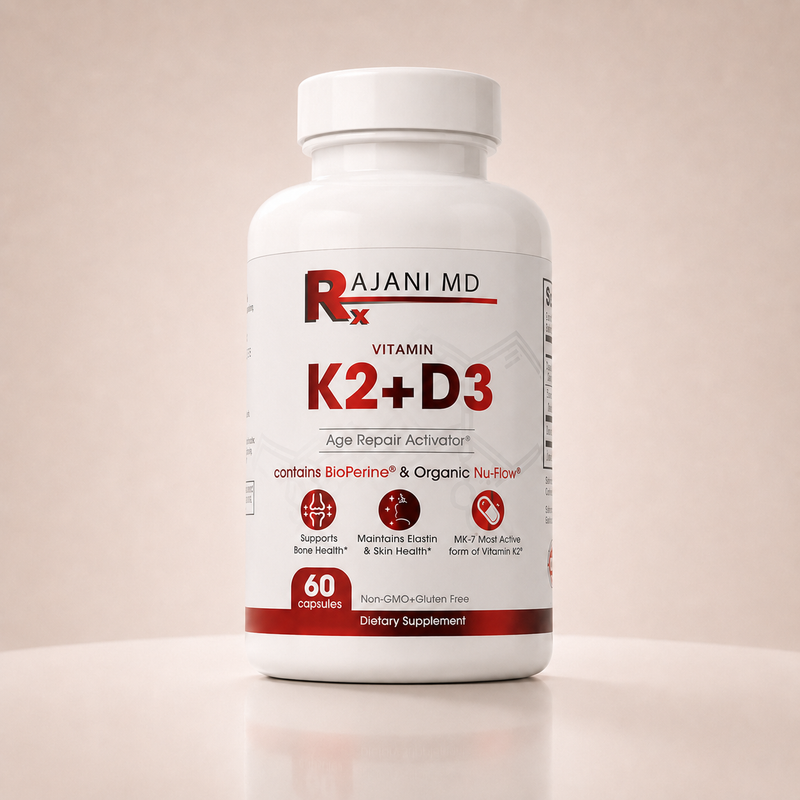
MK-7 benefits include better bioavailability, longer circulation time, and more consistent activation of those calcium-regulating proteins. The Vitamin K2+D3 Capsules from Rajani MD use MK-7 for this reason, combined with BioPerine to enhance absorption.

Bone Health Beyond Calcium
Most conversations about bone density focus on calcium intake. But calcium alone is only part of the equation. Calciym absorption depends on adequate D3 levels, while calcium utilization depends on K2 activation. Without all three working in sync, you can consume plenty of calcium and still lose bone density.
This is especially relevant for women over 40, who face accelerated bone loss after menopause. A K2 D3 supplement taken consistently can help maintain the structural integrity that bones need to stay strong.
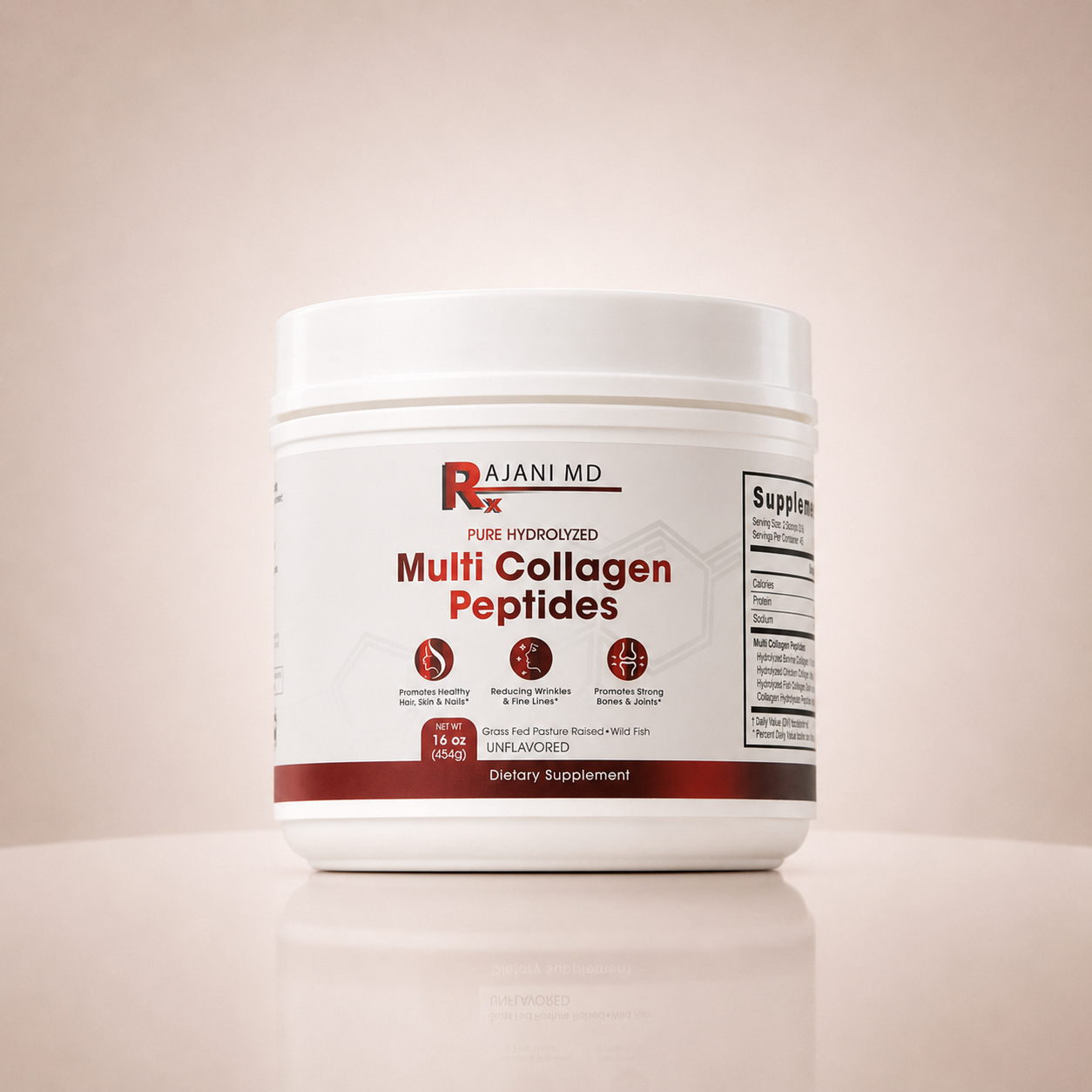
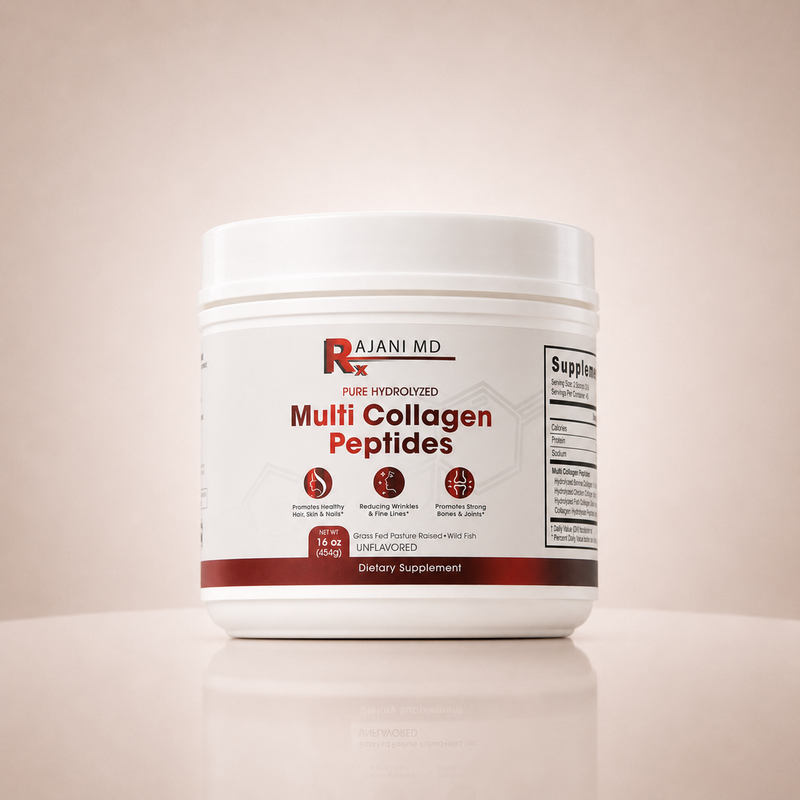
For additional structural support, pairing K2+D3 with a Multi Collagen Peptides Powder addresses both the mineral and protein components of bone and connective tissue health.
Heart Health: The Calcium Paradox
Calcium metabolism is one reason vitamin K2 is often discussed alongside vitamin D3. K2 supports calcium-regulating proteins involved in bone and cardiovascular wellness. People with cardiovascular concerns should consult a healthcare provider before starting a new supplement routine, especially if they are taking medications or managing an existing condition.
K2 activates matrix GLA protein, which actively inhibits this process. Think of it as a traffic cop for calcium, keeping it out of places where it causes damage. This is one of the strongest arguments for never taking D3 in isolation if you are also supplementing calcium.
What About Skin Aging?
This is where things get interesting for anyone focused on anti-aging. Collagen and elastin, the two proteins responsible for skin firmness and flexibility, can become calcified over time. When calcium deposits accumulate in these fibers, they lose their elasticity. Skin becomes stiff, less resilient, and more prone to deep wrinkling.
Vitamin K2 is being studied for roles related to healthy aging. Vitamin D3 supports skin cell growth and repair and helps reduce inflammation that contributes to redness and irritation.
The Vitamin K2+D3 Capsules are formulated as what Dr. Rajani calls an "age repair activator," targeting skin elasticity alongside the traditional bone and heart benefits.
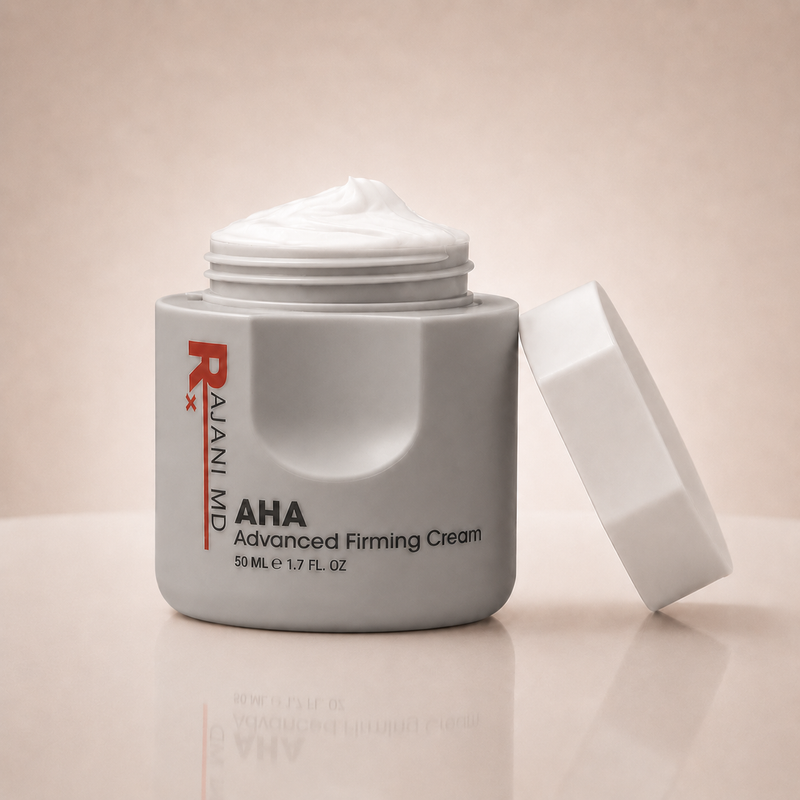
For topical support on the same concern, pairing this supplement with the AHA Advanced Firming Cream addresses elasticity from both inside and outside the skin.
Dosing and Timing
The recommended daily intake of K2 for adults is 120 to 200 micrograms for men and 90 to 180 micrograms for women. For D3, most adults need 600-2,000 IU daily, though some practitioners recommend higher doses based on blood levels.
Both vitamins are fat-soluble, so they absorb best when taken with a meal that contains fat. Dr. Rajani recommends taking K2+D3 alongside other fat-soluble supplements, such as Krill Oil Softgels and Turmeric Capsules, during a morning meal for optimal absorption.

FAQs
Can I take vitamin D3 without K2?
You can, but K2 ensures that the calcium D3 is absorbed and directed to bones rather than accumulating in soft tissues and arteries.
How long does it take to notice benefits from K2+D3?
Bone and cardiovascular benefits develop over months of consistent use. Visible results vary and are not guaranteed.
Is K2+D3 safe to take every day?
Yes, at recommended doses. Because both are fat-soluble, taking them with food improves absorption and reduces any digestive discomfort.
Who should be careful with K2 supplementation?
Anyone on blood-thinning medications (such as warfarin) should consult their doctor before taking K2, as it can interact with clotting factors.
A Simple Addition With Compounding Returns
Taking K2+D3 together is one of those small daily habits that compound over time. Stronger bones, healthier arteries, and more resilient skin are not overnight results, but they are reliable outcomes for people who stay consistent. If you are already investing in your skincare routine topically, supporting it from the inside with the right vitamin pairing only makes sense.
Shop the Rajani MD K2+D3 Capsules formulated with MK-7 and BioPerine for maximum bioavailability.
DISCLAIMER: This video does not contain any medical or health related diagnosis or treatment advice. Content provided on this YouTube Channel is for informational purposes only. For any medical or health related advice, please consult with a physician or other healthcare professionals. Further, information about specific products or treatments within this video are not intended to diagnose, treat, cure or prevent disease.