






If you take omega-3 supplements, you have probably been reaching for fish oil. It is the most widely sold omega-3 product in the world, and for years, it was the only game in town. But krill oil has been gaining ground, and the reasons go deeper than marketing.
The conversation around krill oil vs fish oil often focuses on which one has "more" omega-3s. That framing misses the point. The real difference is in how those omega-3s are structured, how your body absorbs them, and what else comes along for the ride.
In this blog, we compare phospholipid and triglyceride omega-3 structures, explain why astaxanthin matters for skin, and help you decide which supplement actually earns a spot in your daily routine.
Phospholipid vs Triglyceride Form
Fish oil delivers its EPA and DHA in triglyceride form. Your body can absorb and use these fats, but it requires extra steps. Triglyceride and phospholipid forms are digested and transported differently.
Krill oil delivers its omega-3s bound to phospholipids, the same type of fat that makes up your cell membranes. Because your cells are already built from phospholipids, they can incorporate krill-sourced omega-3s more efficiently. Several studies suggest that phospholipid-bound omega-3s achieve comparable or better blood levels at lower doses than triglyceride-based fish oil.
This is not a subtle difference. It means you may need less krill oil to get the same functional benefit, and some research suggests phospholipid-bound omega-3s may be efficiently absorbed.

Astaxanthin: The Bonus Antioxidant
Krill naturally contains astaxanthin, a carotenoid pigment that gives krill (and the fish that eat them) their reddish color. Astaxanthin is one of the most potent antioxidants found in nature, and its astaxanthin skin benefits are well-documented.
It crosses the blood-brain barrier and, more relevant here, it accumulates in the skin. Astaxanthin supports antioxidant activity and healthy-looking skin.. Fish oil does not contain astaxanthin, so you would need a separate supplement to get this benefit.
The Krill Oil Softgels from Rajani MD are sourced from Antarctic krill, where the krill population is richest, and each serving delivers 200mg of phospholipids along with naturally occurring astaxanthin.
Omega-3 for Skin: More Than a Health Trend
The conversation about omega-3s for skin has grown significantly as research links essential fatty acids to skin barrier function, hydration, and inflammation control. EPA and DHA reduce the production of inflammatory compounds in the body, which supports a healthy inflammatory response and skin barrier wellness.
Omega-3s also support the lipid layer of the skin barrier, helping it retain moisture and resist environmental stressors. If your skin is chronically dry, flaky, or reactive, low omega-3 intake could be a contributing factor.
Pairing omega-3 supplementation with a hydrating topical like Hyaluronic Acid Serum addresses moisture from both directions. Internal fatty acids strengthen the skin barrier, while topical hyaluronic acid draws water into the skin's upper layers.
The Fishy Aftertaste Problem
This is a practical concern that pushes many people away from fish oil. The triglyceride form breaks down in the stomach and often causes that unmistakable fishy burp. It is unpleasant enough that many people stop taking their supplement altogether.
Krill oil is significantly less likely to cause this. The phospholipid structure mixes more easily with stomach contents, and the smaller softgel size makes it gentler on digestion. The Krill Oil Softgels are formulated with 200mg of phospholipids per serving specifically to prevent that aftertaste issue.

Sustainability Considerations
Krill harvesting has faced scrutiny, and it is fair to ask about the environmental impact. Antarctic krill is one of the most abundant biomass species on the planet, and reputable suppliers operate under strict catch limits set by the Commission for the Conservation of Antarctic Marine Living Resources (CCAMLR). Look for products that source from certified, sustainable fisheries.
Fish oil, by contrast, depends on species like anchovies, sardines, and mackerel, many of which face overfishing pressures in certain regions. Neither option is inherently "better" for the environment, but responsible sourcing matters for both.
How to Take Krill Oil for Best Results
Krill oil is fat-soluble, so it absorbs best when taken with a meal that includes dietary fat. Dr. Rajani recommends taking Krill Oil Softgels alongside other fat-soluble supplements in the morning. A breakfast that includes eggs, avocado, or nuts provides enough fat for optimal absorption.
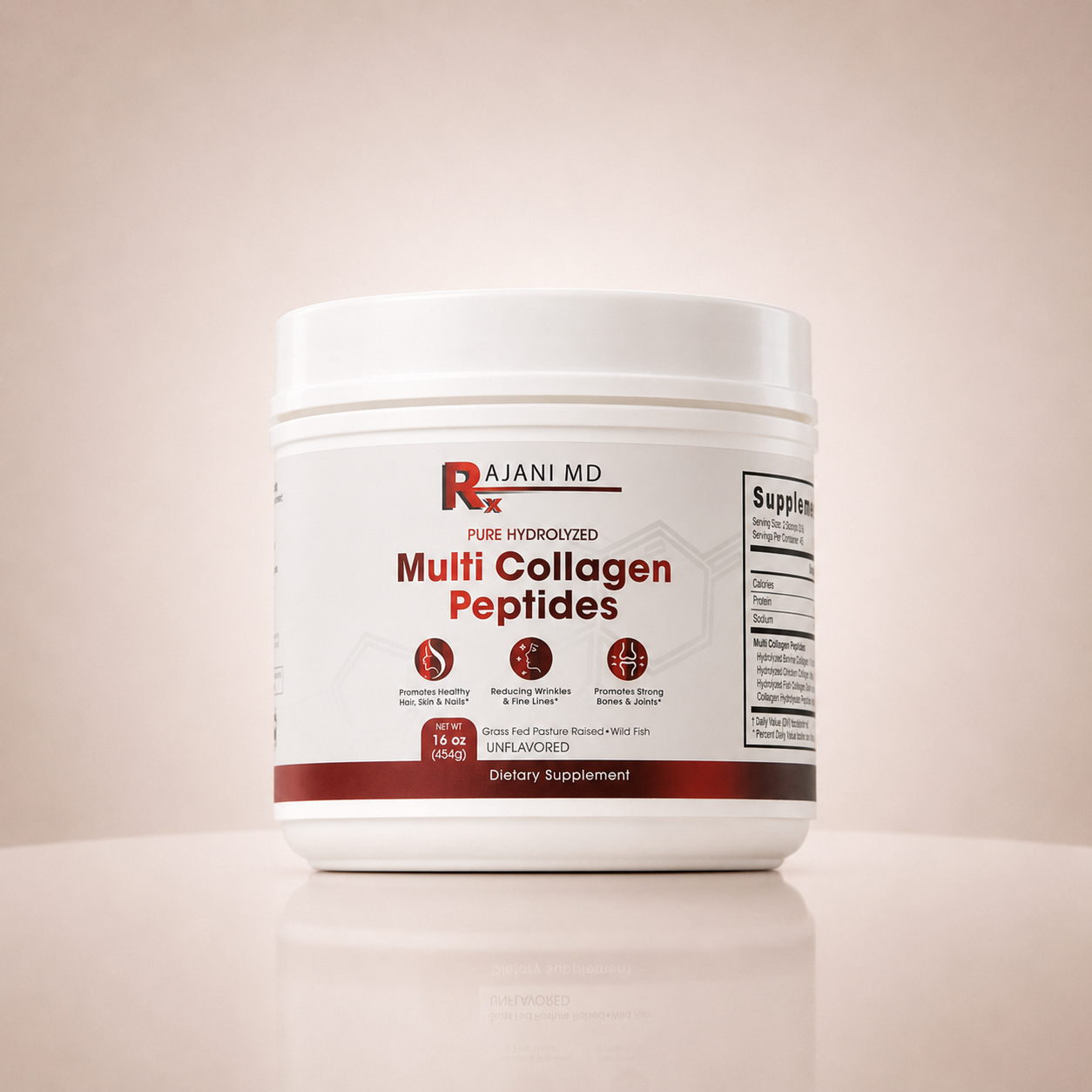
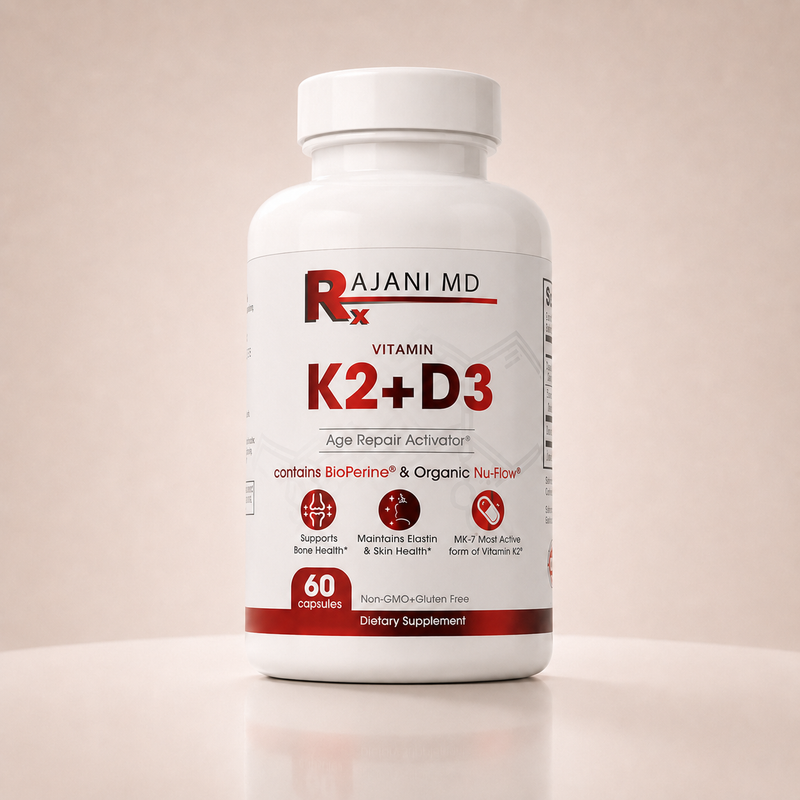
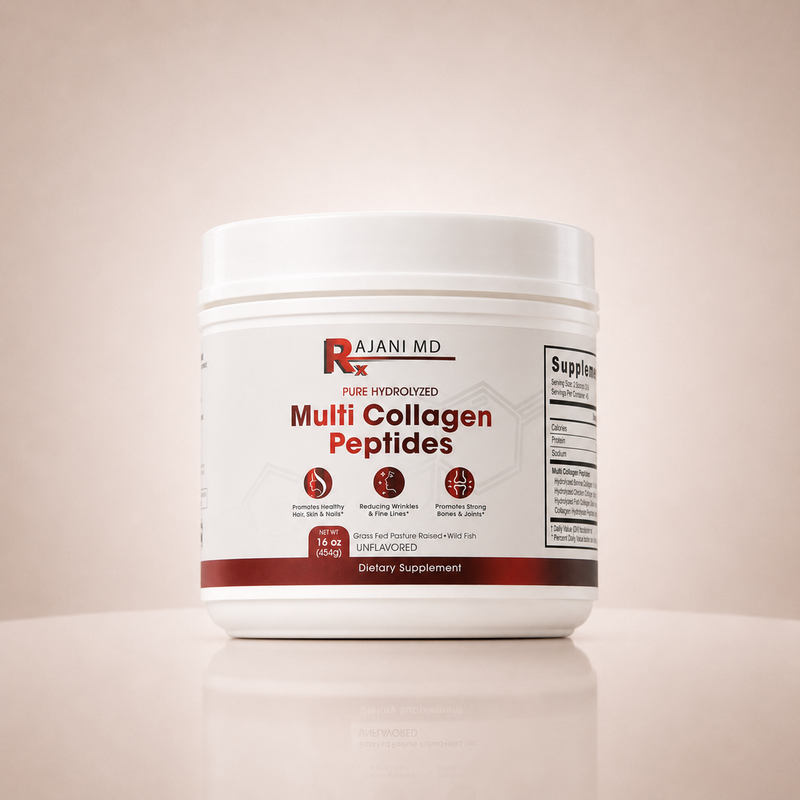
Stacking krill oil with Vitamin K2+D3 Capsules and Multi Collagen Peptides Powder during the same meal creates a comprehensive internal support routine for skin, bones, and joint health.
For people also dealing with skin inflammation or surface redness, adding the CryoGLO Roller to your morning routine after serum application can complement the anti-inflammatory effects of krill oil from the outside.

FAQs
Is krill oil better than fish oil for skin?
Krill oil offers phospholipid-bound omega-3s for better absorption plus astaxanthin, which directly supports skin hydration and UV protection. Fish oil lacks astaxanthin entirely.
How much krill oil should I take daily?
Most adults benefit from 500 to 1,000mg daily. Because of the phospholipid structure, lower doses of krill oil can match the efficacy of higher fish oil doses.
Can I take krill oil if I have a shellfish allergy?
Krill is a crustacean, so people with shellfish allergies should consult their doctor before taking krill oil supplements.
Does krill oil help with joint pain?
The omega-3 fatty acids and astaxanthin in krill oil both have anti-inflammatory properties that may support joint comfort and a healthy inflammatory response..
When will I see skin improvements from krill oil?
Gradual improvements in skin hydration, reduced dryness, and calmer inflammation typically appear within 6 to 12 weeks of consistent daily use.
The Smarter Omega-3 Choice
Both fish oil and krill oil deliver omega-3 fatty acids. But krill oil does it in a form your body can use more readily, adds a powerful antioxidant your skin can actually benefit from, and skips the fishy burps that derail consistency. If you are going to take an omega-3 supplement, the format and extras matter just as much as the dose.
Add K2+D3 Capsules to your morning stack for support for bone, heart, and skin elasticity, alongside your krill oil.
DISCLAIMER: This video does not contain any medical or health related diagnosis or treatment advice. Content provided on this YouTube Channel is for informational purposes only. For any medical or health related advice, please consult with a physician or other healthcare professionals. Further, information about specific products or treatments within this video are not intended to diagnose, treat, cure or prevent disease.