





Micro-needling used to be something you only got in a clinic chair. Now you can make a version of it at home in the evening in about 10 minutes. The results can be impressive when you do it correctly. They can also irritate your skin when you do it wrong.
This blog covers what a micro-needling kit actually does, what plasmaSOMES are, and how to use the entire system safely to achieve smoother, firmer skin without the guesswork.
What a Micro-needling Kit Does
Micro-needling works by creating tiny, controlled channels in the skin's surface. Your body reads those micro-channels as something to repair, so it ramps up collagen and elastin, the two proteins that keep skin firm and bouncy.
Two things happen at once. Your skin triggers a natural renewal response, and the channels allow active serums to penetrate far more deeply than they would on intact skin. That second part matters. A good serum sitting on top of closed skin only does so much. The same serum applied during micro-needling reaches the layers where it can actually work.
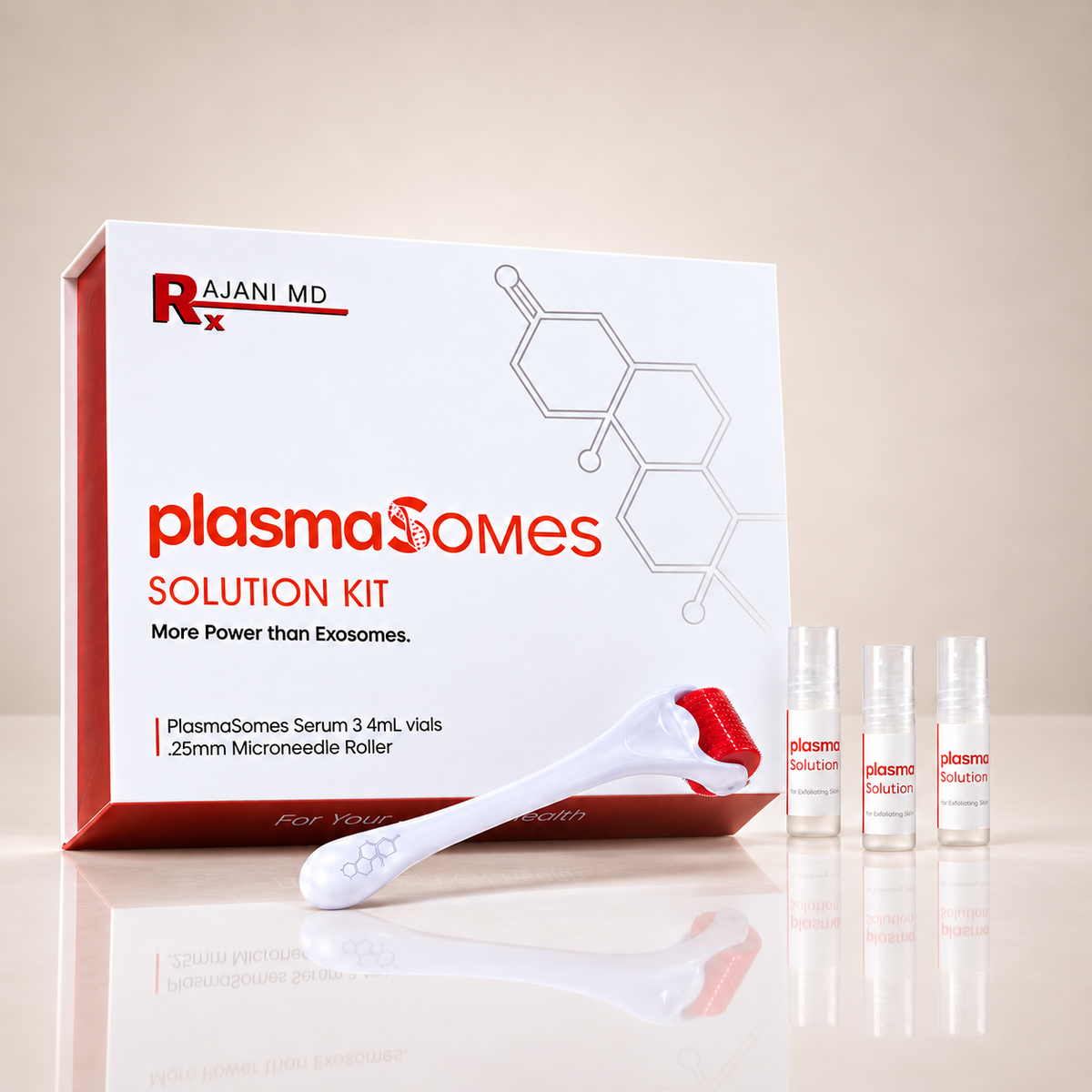
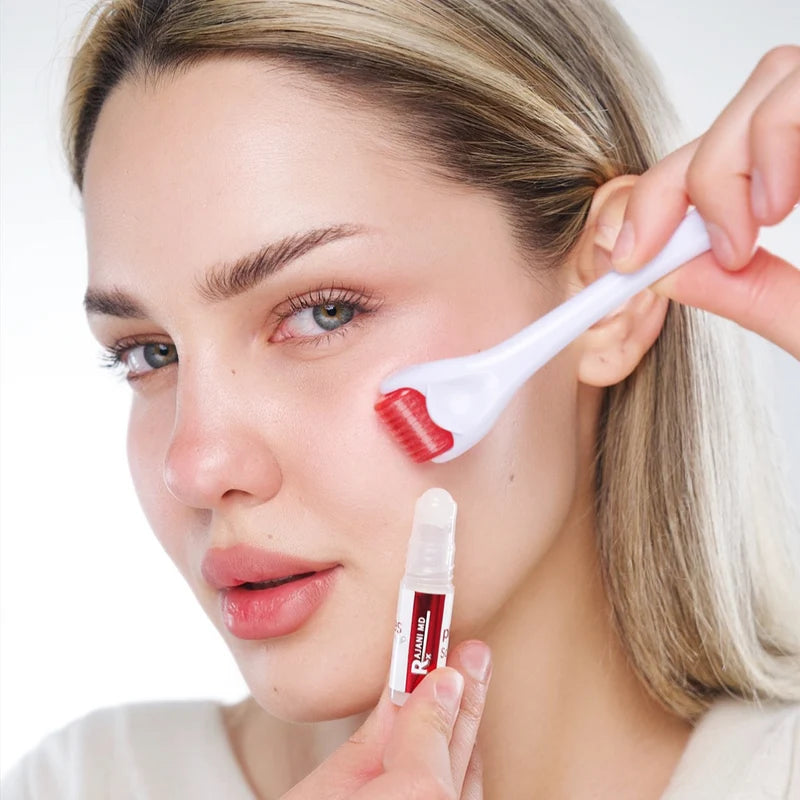
The plasmaSOMES Micro-Needle Kit is built around exactly this idea. It pairs a medical-grade roller with a regenerative serum and a short training course, so you are not improvising.

Micro-needling Benefits Worth Knowing
When done consistently, at-home micro-needling can help soften the look of fine lines and wrinkles, improve firmness in loose or crepey areas, refine texture and the appearance of pores, even out tone, including the appearance of sunspots and post-acne marks, and boost how well your serums absorb. These are gradual changes, not overnight ones. Most people start noticing smoother texture within a few weeks of regular use.
What Are plasmaSOMES?
Here is where the Rajani MD system differs from a basic roller.
PlasmaSOMES are biomimetic nanoparticles. In plain terms, they are lab-made messengers designed to copy the helpful signaling of exosomes, without using any human or animal-derived material. That makes them vegan, stable at room temperature, and easier to manufacture to a consistent standard.
The PlasmaSOMES serum/solution also carry specialized hyaluronic acid, niacinamide, tranexamic acid, and targeted peptides. Tranexamic acid helps brighten and address stubborn discoloration, which is why the formula supports both tone and texture.
The idea of micro-needling with plasmaSOMES is simple: create the channels, then deliver intelligent ingredients into them.

How to use a micro-needling kit safely at home
Safe technique comes down to hygiene, the right needle depth, and not overdoing frequency.
1. Sanitize first. Soak the roller in rubbing alcohol before and after every session, then run hot water over it to rinse off residue. A clean roller is the single most important safety step.
2. Start clean. Wash your face and remove all makeup and oils. Micro-needling over dirty skin pushes bacteria and product into fresh channels.
3. Use the right depth. The plasmaSOMES Micro-Needle Roller is 0.25mm, chosen on purpose. A 0.25mm roller is generally considered a superficial at-home option, but it still requires careful use. Follow all hygiene instructions, avoid irritated or broken skin, and do not use over active breakouts, open areas, or freshly treated skin unless directed by your provider. Resist the urge to buy a longer, more aggressive roller for “better” results, since deeper at-home needling can increase the risk of irritation or injury.
4. Roll with a plan. Apply a thin layer of serum, then roll gently back and forth: horizontally, vertically, and diagonally over each area. Let the weight of the roller do the work.
5. Reapply and rest. Apply another thin layer of solution when you finish. Doing this in the evening lets your skin heal overnight, protected from sun and pollution. By morning you can return to your normal routine.
How Often: Start with once a week. As your skin adjusts, move to two or three evenings per week. Replace the roller after about 25 treatments or 60 days, since worn needles are less safe and less effective.
Getting More From Every Session
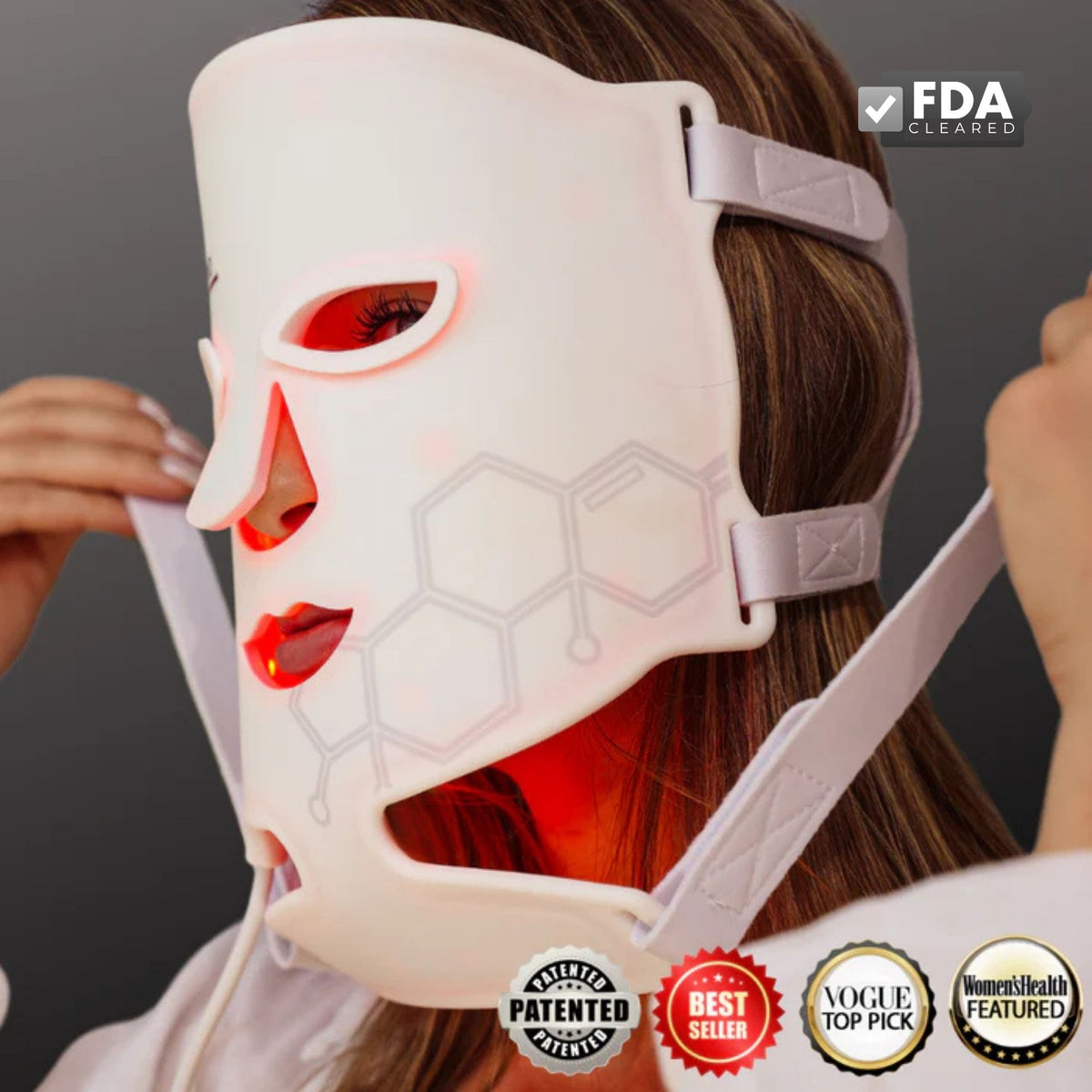
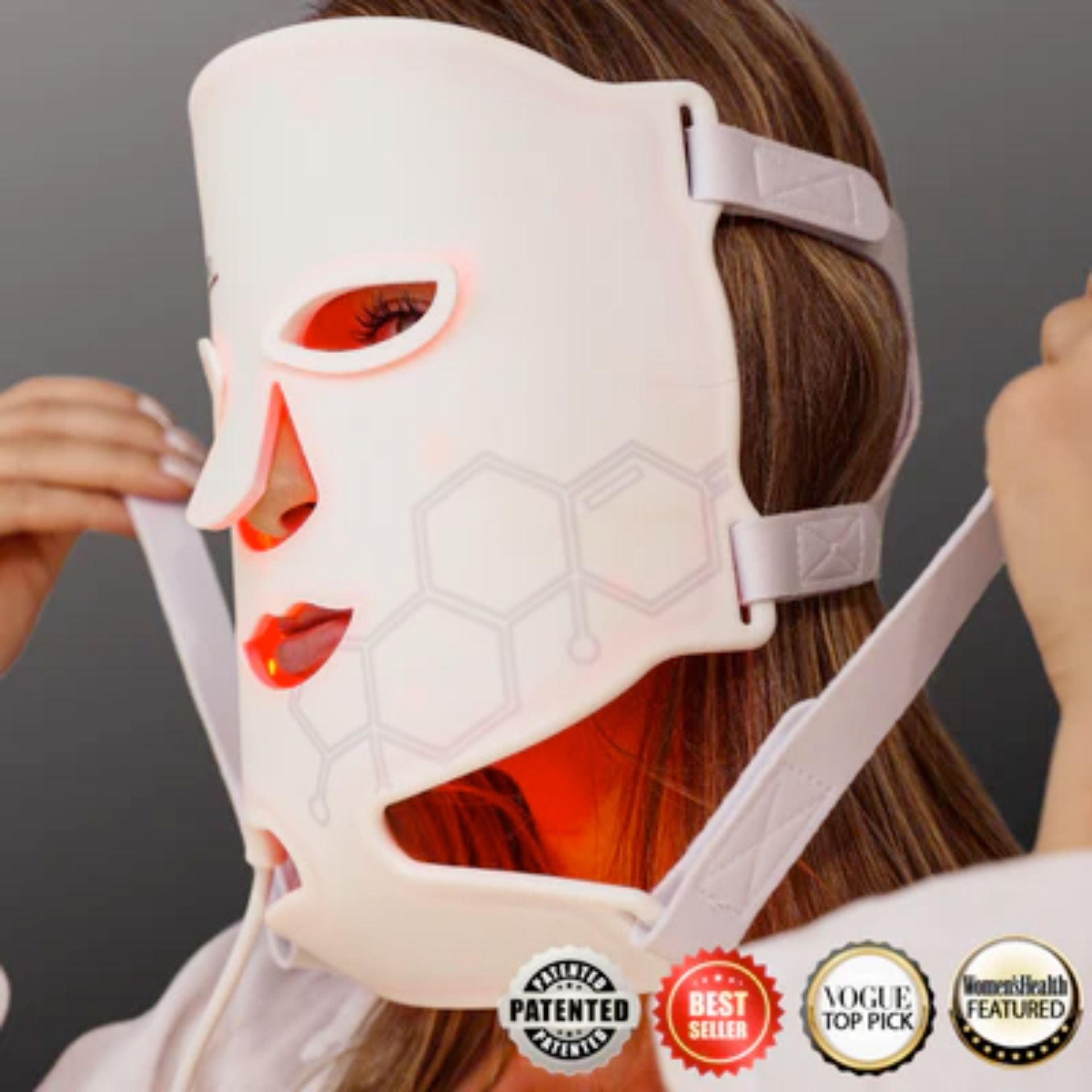
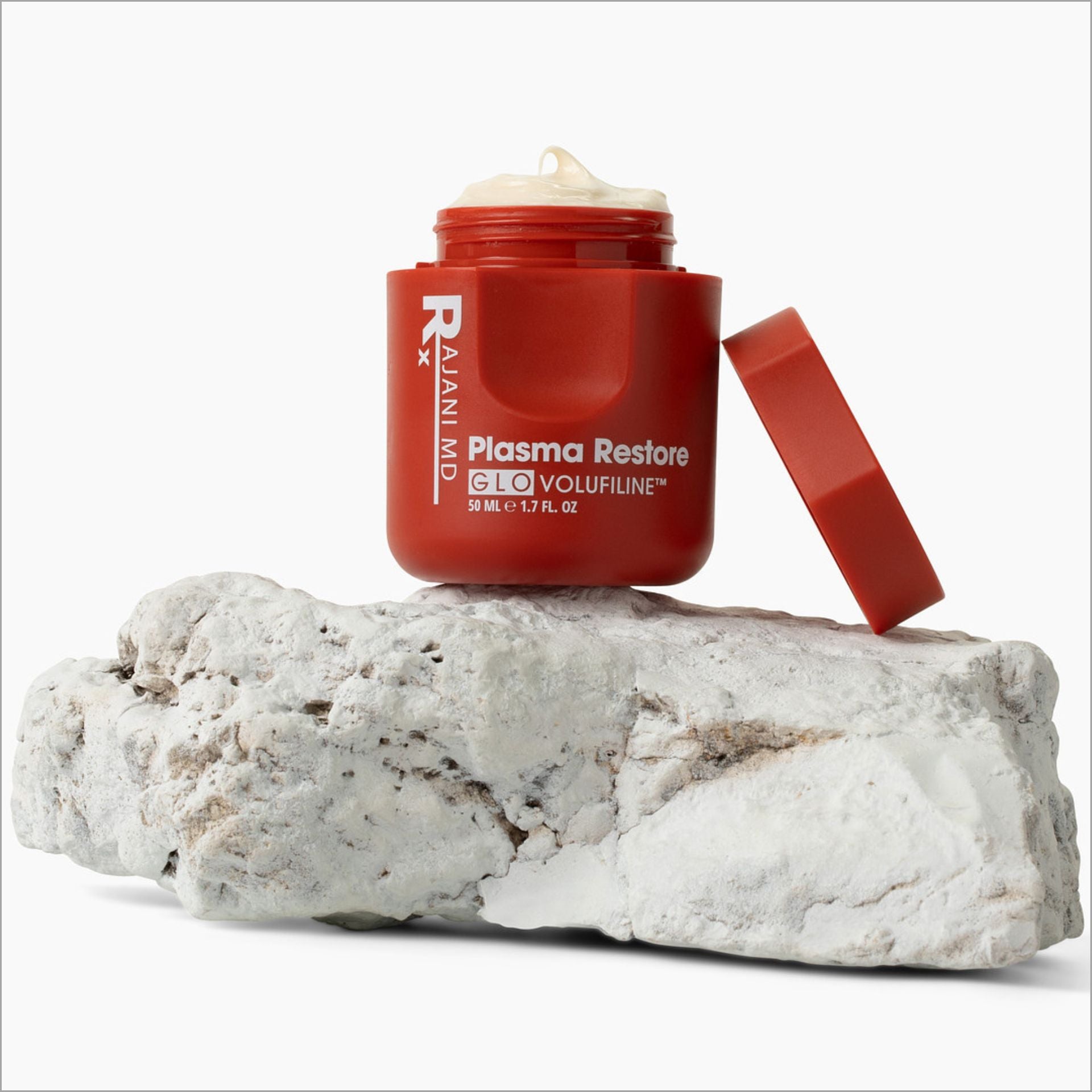
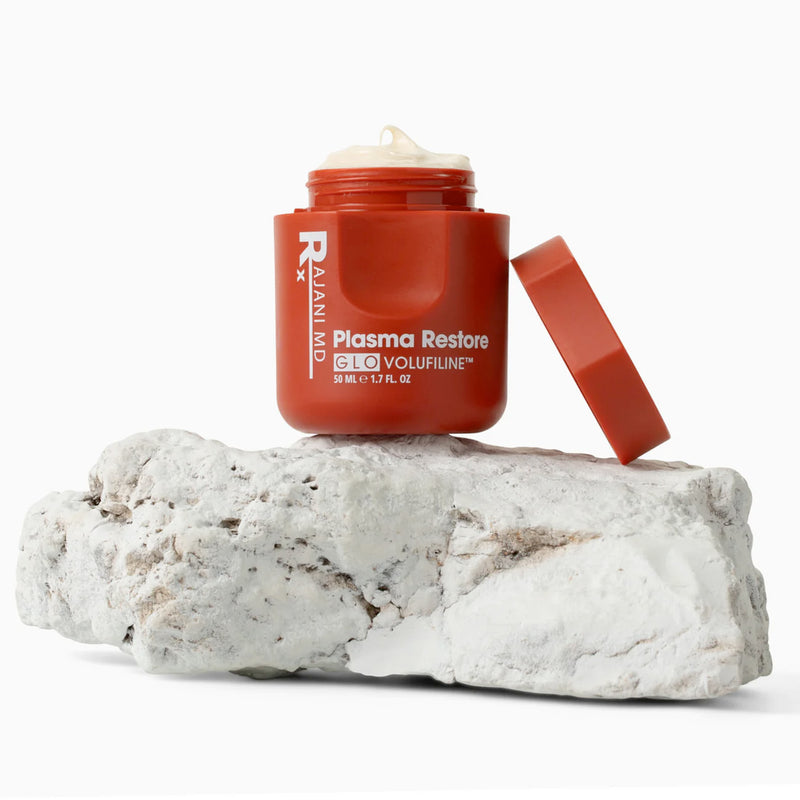
A few easy additions help. Some people use the PlasmaGLO Boost vibration tool to work serum in evenly. On non-needling nights, red light from an LED device supports the same collagen pathways. Sealing skin afterward with the Plasma Restore GLO Volufiline Cream locks in hydration and supports volume. If you want the device and the cream together at a saving, the Plasma Pairing set bundles them.
New to building a device regimen? The routine for healthy aging and the skin quiz are good starting points.

Frequently Asked Questions
Does at-home micro-needling hurt?
With a 0.25mm roller, most people feel light pressure rather than pain, and no numbing cream is needed.
How soon will I see results?
Many users notice smoother texture within 4 to 6 weeks of consistent use.
Can I micro-needle every day?
No. We recommend micro-needling once a week in the evening.
Is it safe for darker skin tones?
Yes. The system is designed for all skin types and skin tones, with ingredients chosen to support an even tone.
Smarter at Home, Not Riskier
Home micro-needling rewards patience and good habits. Keep the roller clean, stick to 0.25mm, respect the frequency, and let plasmaSOMES do the heavy lifting in the channels you create.
Ready to start? Explore the full micro-needle collection and pick the kit that fits your goals.
Disclaimer: This article is educational and not medical advice. Patch test new products and consult your provider with any concerns.
References:
Litchman, Graham, et al. "Micro-needling." StatPearls, StatPearls Publishing, 2022. National Center for Biotechnology Information, www.ncbi.nlm.nih.gov/books/NBK459344/.
Avci, Pinar, et al. "Low-Level Laser (Light) Therapy (LLLT) in Skin: Stimulating, Healing, Restoring." Seminars in Cutaneous Medicine and Surgery, vol. 32, no. 1, 2013, pp. 41-52. PubMed Central, www.ncbi.nlm.nih.gov/pmc/articles/PMC4126803/.
DISCLAIMER: This video does not contain any medical or health related diagnosis or treatment advice. Content provided on this YouTube Channel is for informational purposes only. For any medical or health related advice, please consult with a physician or other healthcare professionals. Further, information about specific products or treatments within this video are not intended to diagnose, treat, cure or prevent disease.