





What Patients Aren’t Being Told — and What Actually Matters
I read every comment.
After my last video discussing the FDA warning around aesthetic devices, I was honestly unprepared for the volume — and severity — of stories that followed. Some comments were thoughtful and constructive. Others were emotional, raw, and heartbreaking. Many people were unsure whether they had been harmed. Some didn’t even realize something had gone wrong until months or years later.
That tells me one thing: we’re not educating patients well enough.
So let’s talk — plainly, responsibly, and without fear-mongering — about RF microneedling, at-home devices, provider skill, and why outcomes vary so drastically from person to person.
One Person’s “Amazing Result” Means Nothing for the Next
One of the most common misconceptions I see is this:
“My friend did it and loved it — so I’ll get the same result.”
That’s simply not how skin works.
Your outcome has nothing to do with your neighbor’s experience and everything to do with:
-
Your anatomy
-
Your facial fat distribution
-
Your age and hormone status
-
The depth, energy, and duration used
-
And most importantly — who performed the treatment
I’ve seen patients improve beautifully… and others take years to recover from a single session. Both stories can be true at the same time.
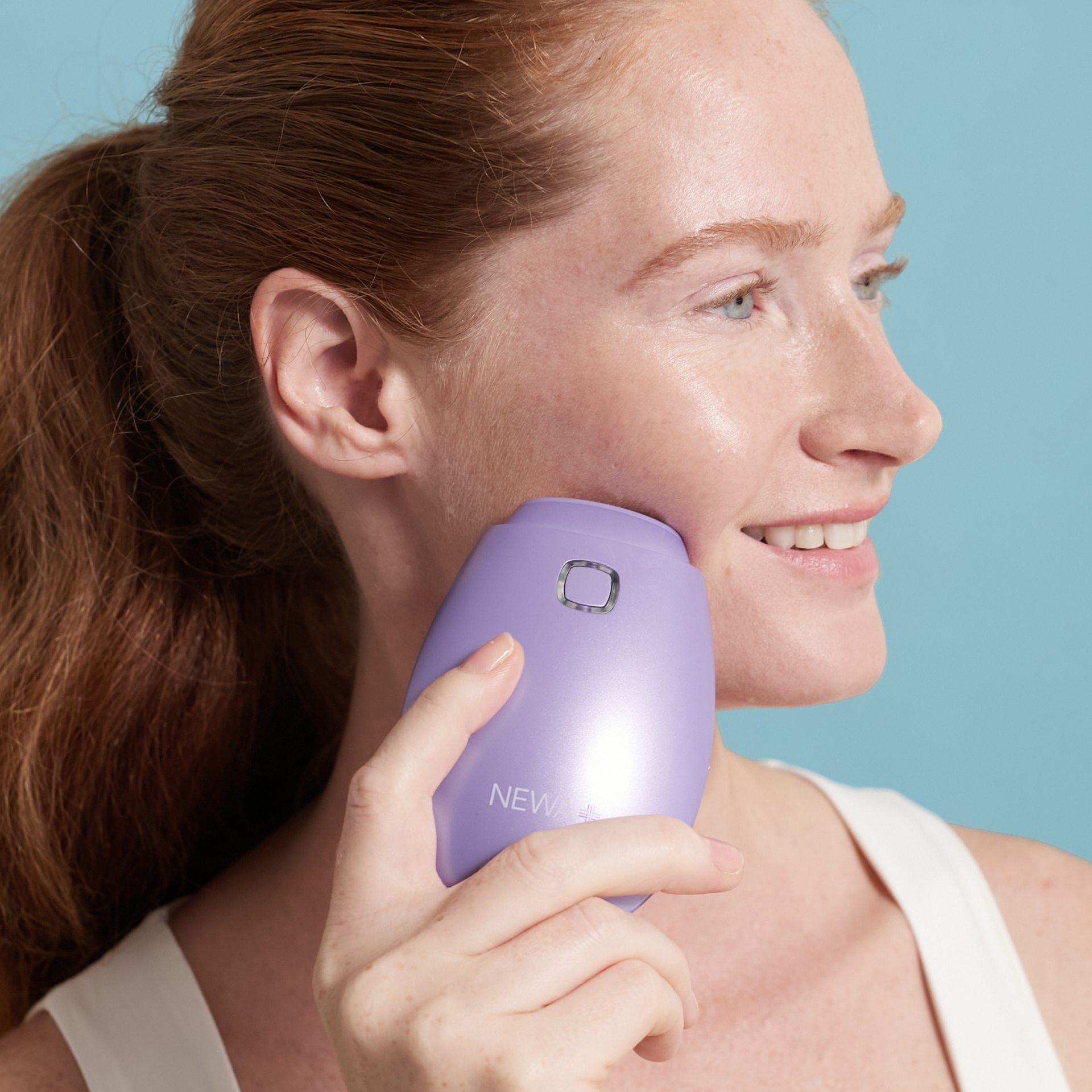
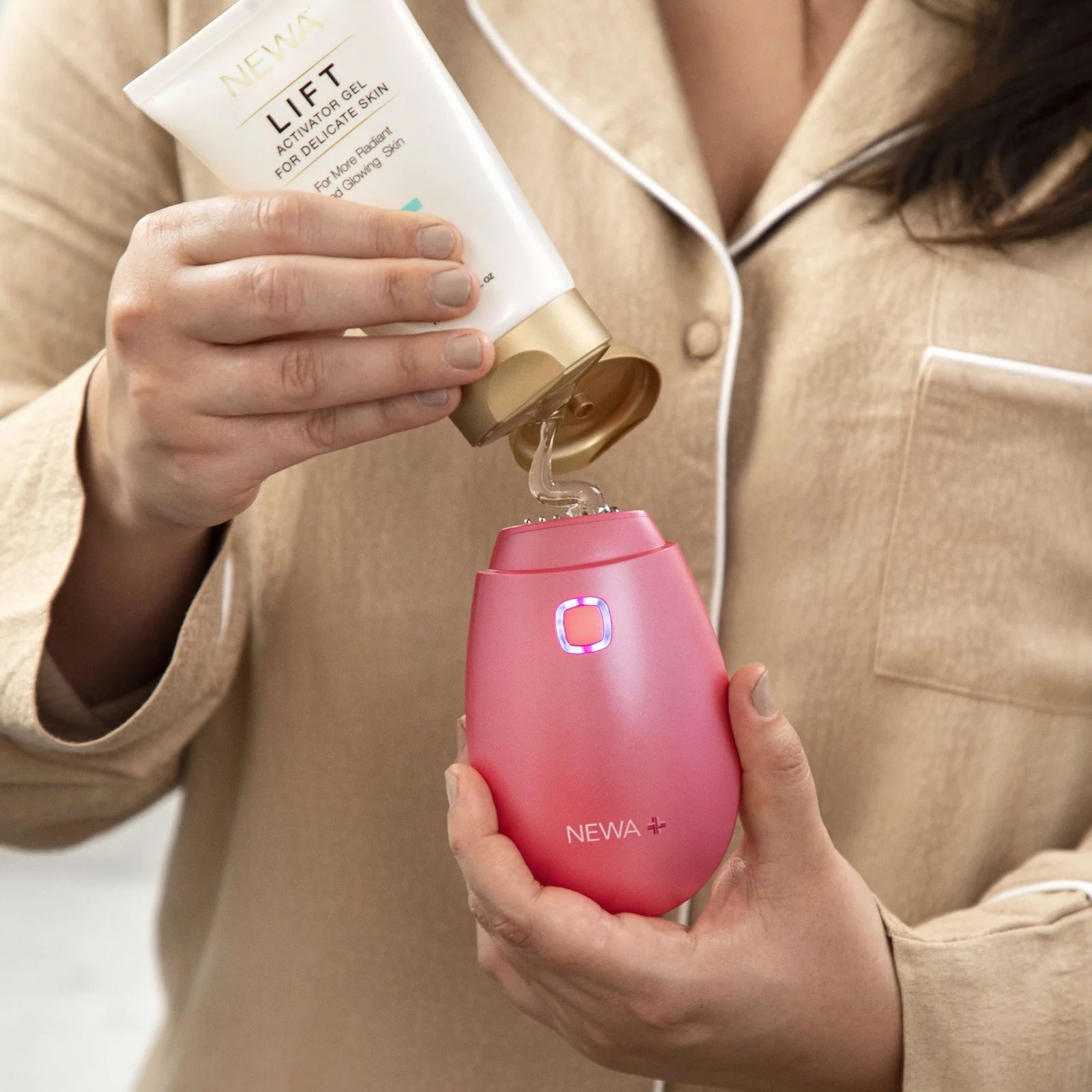
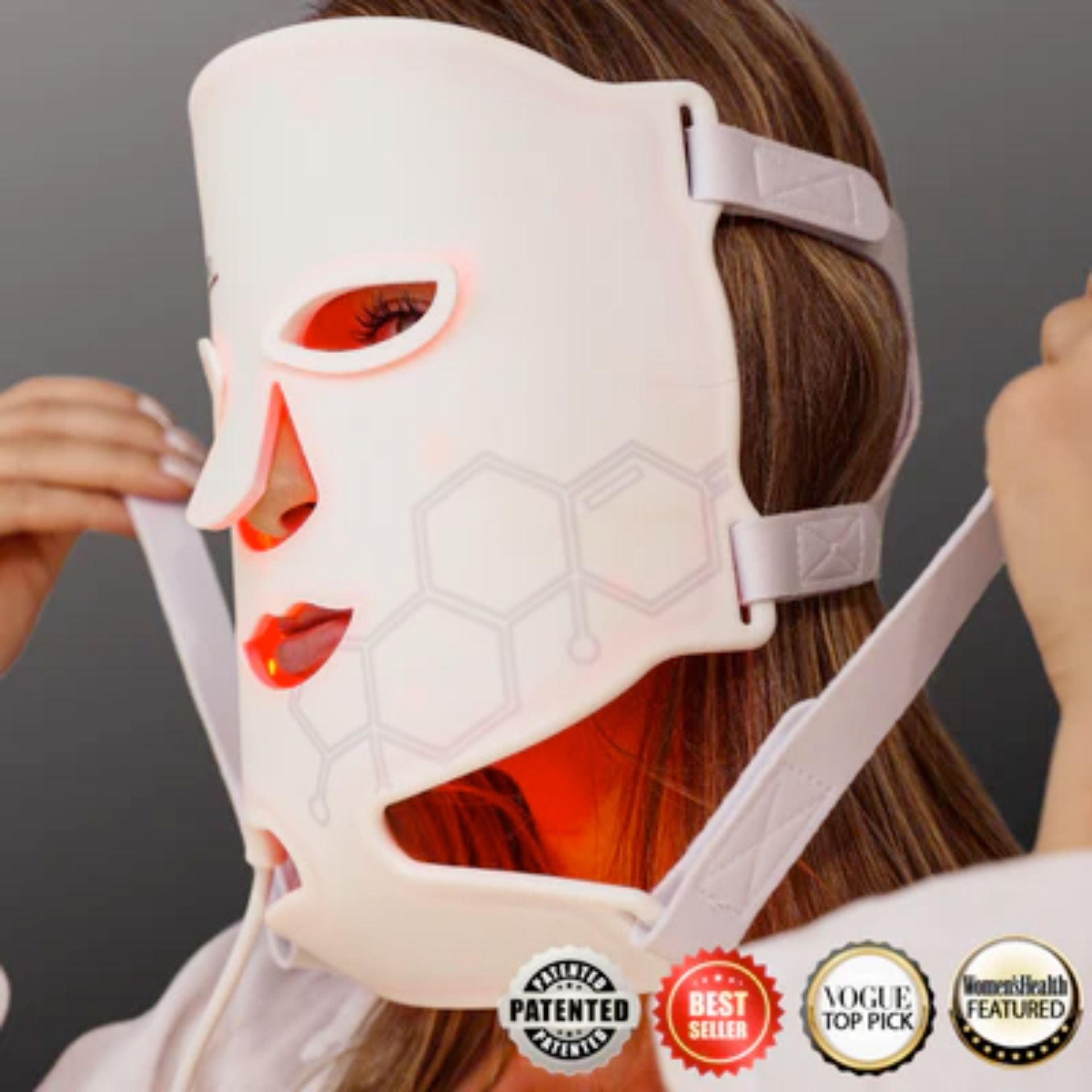
Why At-Home RF Devices Are Especially Risky
I want to be very clear here.
At-home RF devices are not “gentler” just because they’re cheaper.
Professional RF microneedling devices cost six figures for a reason:
they deliver controlled, consistent energy.
At-home devices often deliver erratic heat — fluctuating temperatures that are impossible to control. That inconsistency is what leads to unintended fat loss, early jowling, or long-term volume changes.
I’ve read stories from people who unknowingly held heat on their face for seconds at a time — melting facial fat gradually until they no longer recognized themselves.
That’s devastating. And it’s preventable.
If a treatment is too aggressive to be done improperly, it’s too aggressive to experiment with at home.
RF Microneedling vs Thermage vs Ultherapy — They Are Not the Same
This matters.
-
RF microneedling is typically bipolar — energy travels between needles at controlled depths.
-
Thermage and Ultherapy are monopolar — energy travels deeper and can more easily affect fat layers.
-
Ultrasound (HIFU) is specifically designed to target deeper structures — including fat.
Each modality has a place — in the right patient, in the right hands.
But these treatments are not interchangeable, and they should never be chosen based on price, trends, or convenience.
Provider Skill Is Everything — And It’s Not Regulated Equally
In many countries, only physicians are allowed to perform these treatments.
In the U.S., someone with a few hours of training can be handed a powerful device and told to “go.”
That’s not anti-esthetician. That’s reality.
Skill comes from:
-
Thousands of treatments
-
Understanding anatomy
-
Knowing when not to treat
-
And being willing to turn patients away
If someone is charging very little for an aggressive procedure, ask yourself why.
You’re not paying for the machine.
You’re paying for judgment.
When Timing Matters More Than the Treatment
One of the hardest truths to accept is that not all facial changes are caused by procedures.
Around the late 50s and early 60s:
-
Estrogen drops sharply
-
Bone density changes
-
Facial fat pads naturally atrophy
If a treatment happens during that window, it often gets blamed — even when hormonal aging was already underway.
This doesn’t mean treatments are harmless.
It means context matters.
That’s why experience matters.
So What Does Work Safely?
When volume loss occurs — whether from age, hormones, or prior treatments — restoration must be thoughtful.
Some of the most reliable options include:
-
PRF (Platelet-Rich Fibrin)
-
Biostimulators like Sculptra
-
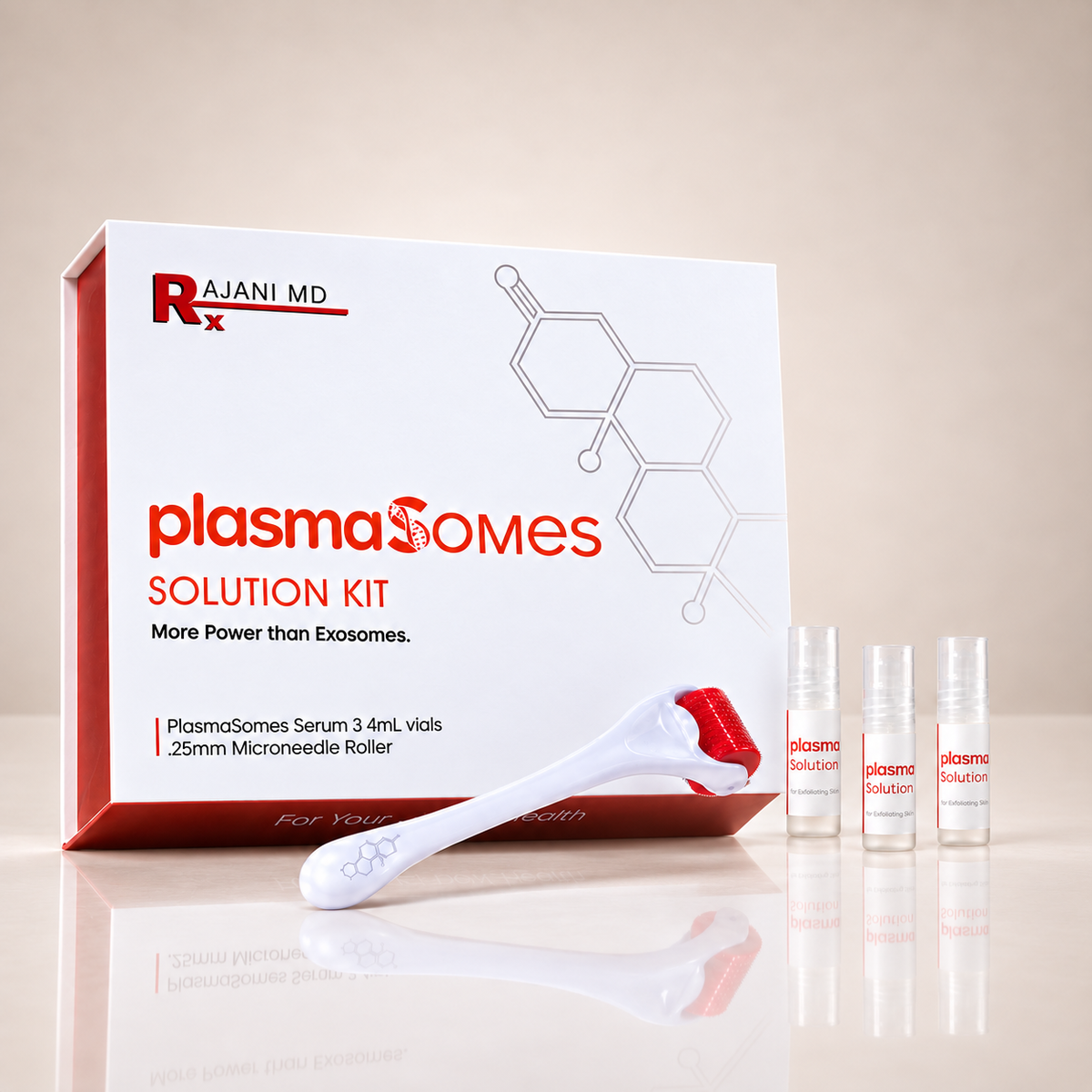
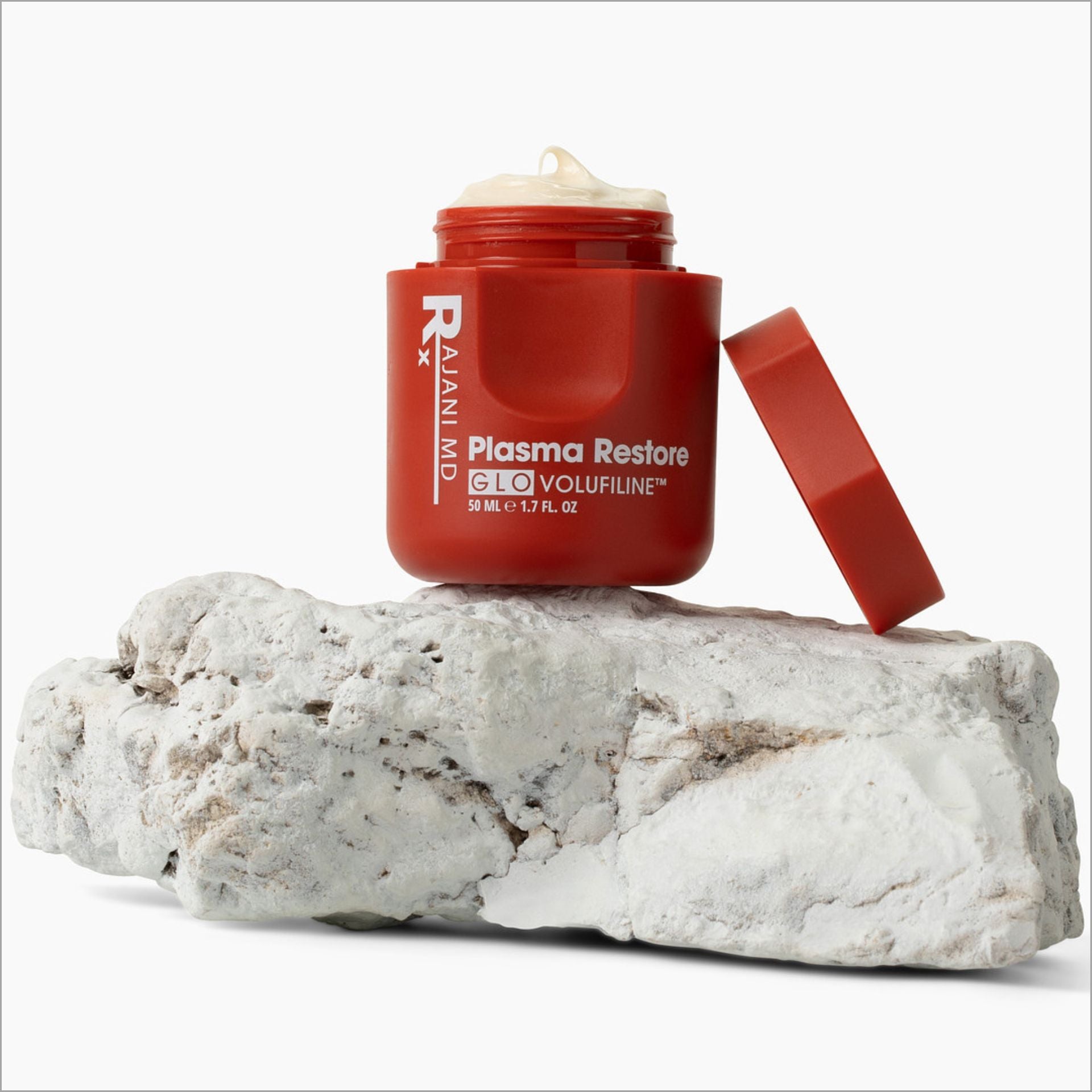
Plasma-based therapies
-
Conservative thread techniques (in the right patients)
And sometimes, the most powerful tool is time — allowing inflammation to settle and tissues to recover.
The Bottom Line
You only get one face.
Aesthetic treatments can be incredible when done properly — and devastating when rushed, discounted, or performed without true expertise.
This isn’t about fear.
It’s about informed consent.
Ask questions.
Be cautious with heat-based devices.
Avoid emotional decision-making.
And choose providers who are more concerned about your safety than your credit card.
I’ll continue sharing what I see — not what’s trending — so you can make decisions rooted in science, experience, and long-term skin health.
Clinical Studies on RF Microneedling
Radiofrequency Microneedling for Skin Tightening of the Lower Face, Jawline, and Neck Region
More Videos on RF Microneedling
DISCLAIMER: This video does not contain any medical or health related diagnosis or treatment advice. Content provided on this YouTube Channel is for informational purposes only. For any medical or health related advice, please consult with a physician or other healthcare professionals. Further, information about specific products or treatments within this video are not intended to diagnose, treat, cure or prevent disease.