






What "Deflation Face" Gets Right, and Wrong
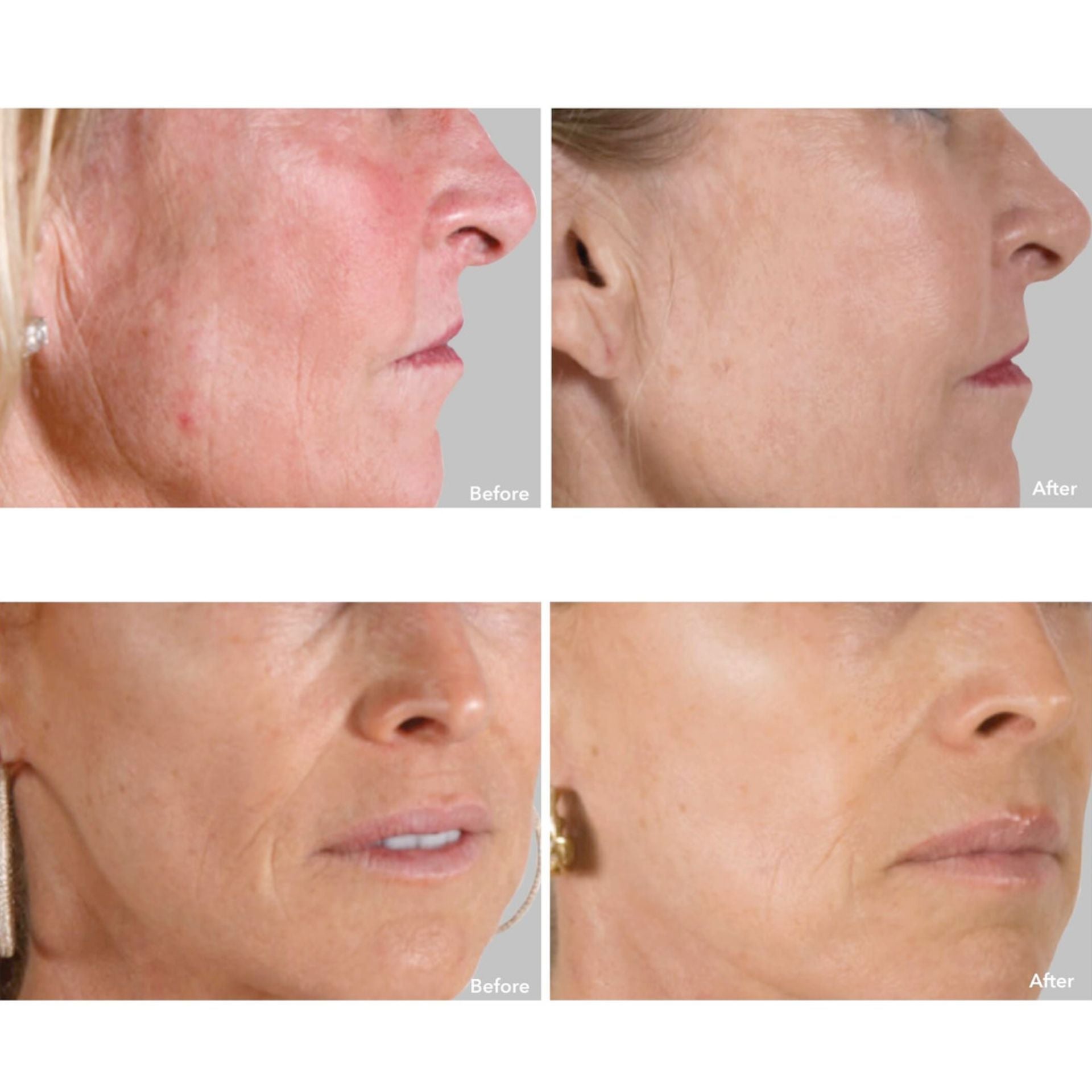
If you've spent time on social media lately, you may have seen the term "deflation face": posts from people who say their cheeks look flatter, their temples more hollow and their under-eyes deeper after starting retinol. Dr. Rajani, a physician and the founder of Rajani MD Beauty and Wellness, hears versions of this concern from patients and customers regularly, so it's worth being clear about what the science does and doesn't say. Laboratory research shows that retinoids (the vitamin A family) play a role in fat-cell biology, metabolism and gene expression, but it has not been shown in clinical studies that topical retinoids cause facial fat loss. What is well documented is that retinoids used too aggressively can cause irritation, often called retinoid dermatitis: redness, flaking, dryness and stinging. When skin is irritated and dehydrated, fine lines and natural, age-related volume changes tend to look more pronounced.
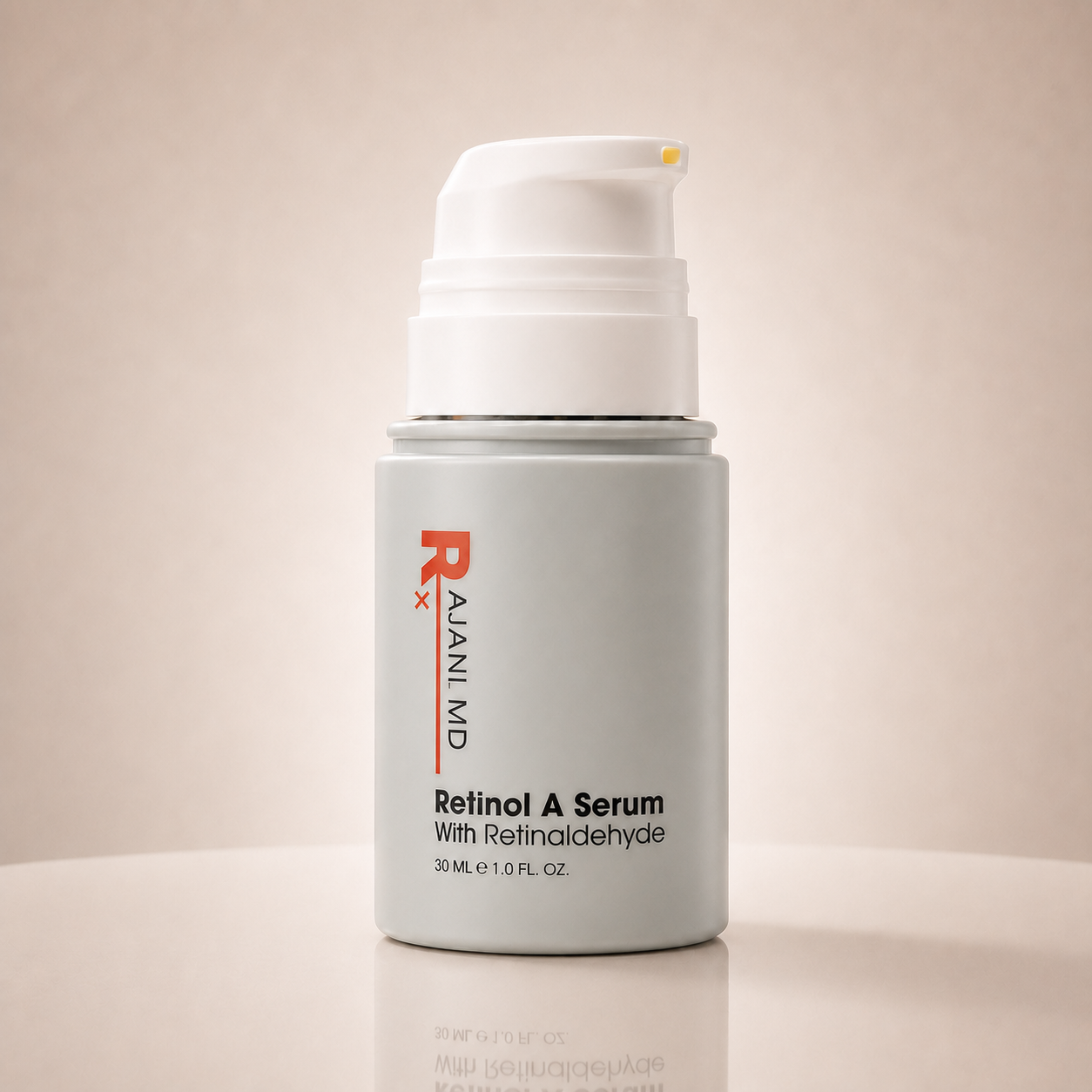
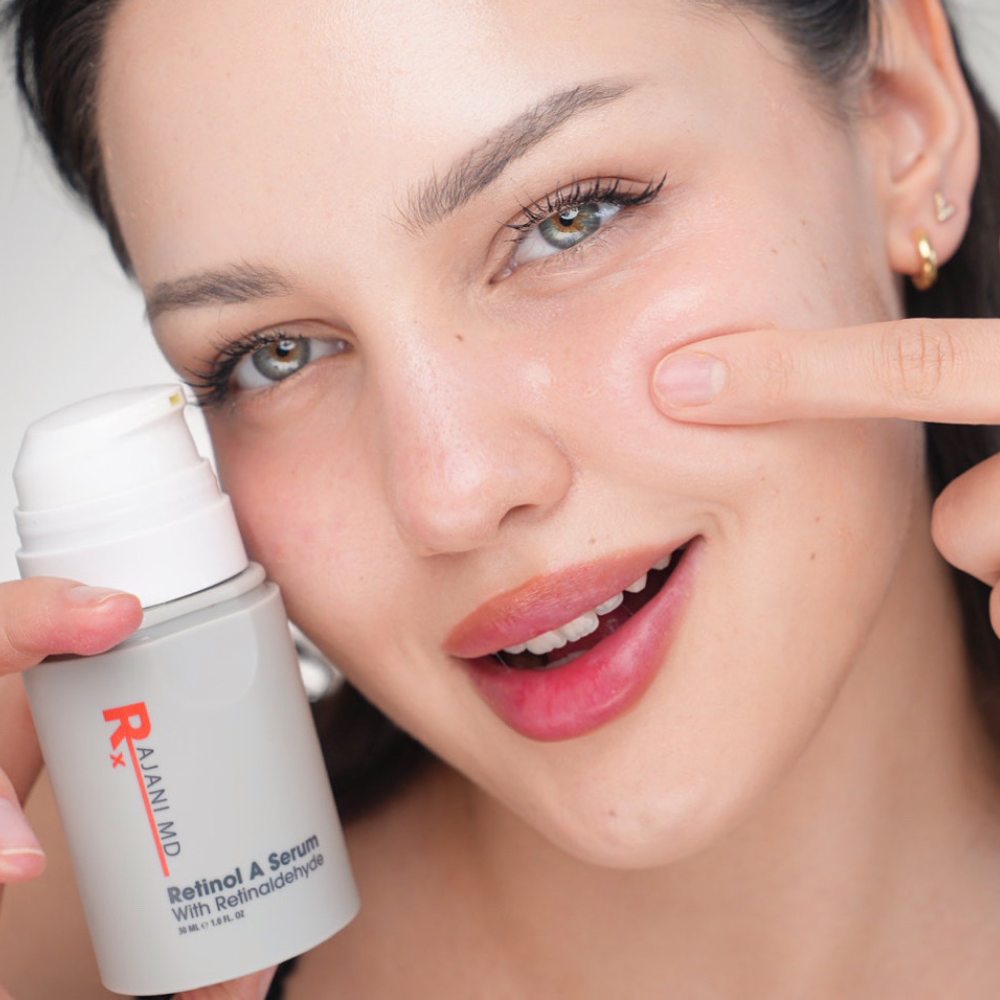
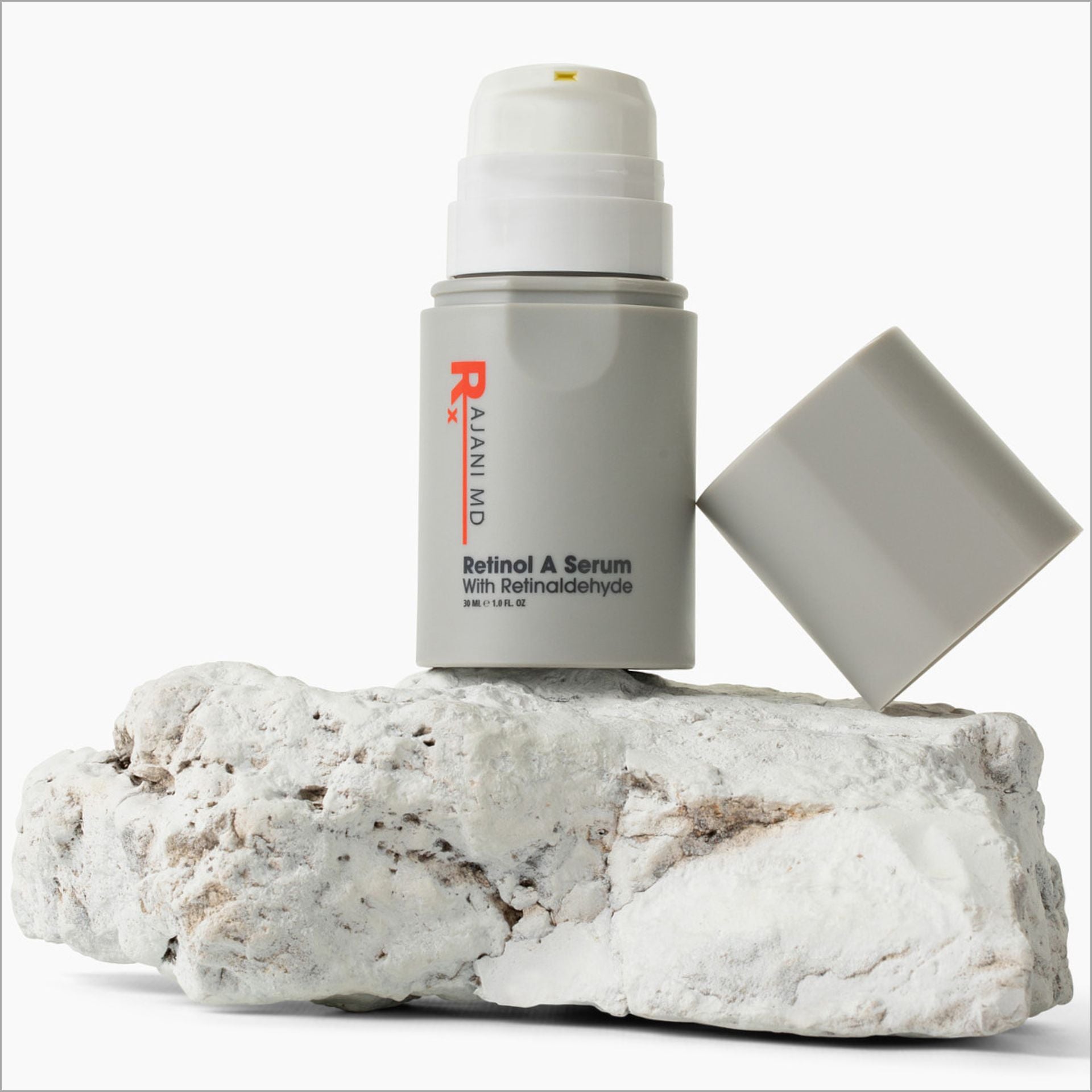
That helps explain why the issue shows up so often in midlife. As we age, facial fat naturally redistributes; some areas lose volume while others, like the jawline, can look heavier. Around menopause, declining estrogen is associated with drier skin and reduced barrier function. The instinct, when skin starts to look tired, is to escalate: a higher retinol percentage, more acids, more exfoliation. But doubling a concentration doesn't double the results; it mainly raises the likelihood of irritation. Retinoids range in strength, from retinyl palmitate (the gentlest) to retinol, retinaldehyde and prescription tretinoin, and the skin converts the first three step by step toward retinoic acid, the active form. Dr. Rajani's guiding principle is simple: stimulate, don't inflame. It's why the Rajani MD retinol serum he formulated uses a blend of retinyl palmitate, retinol and retinaldehyde rather than one very high percentage of a single form.
What you layer with your retinoid matters as much as its strength. L-ascorbic acid, the most common form of vitamin C, is typically formulated at a pH of about 3.5 or lower so it can penetrate the skin, and it is prone to oxidation. It's an excellent ingredient on its own, but layering an acidic product over retinoid-sensitized skin can add to irritation. A gentler option is tetrahexyldecyl (THD) ascorbate, an oil-soluble vitamin C derivative that is more stable and doesn't require a low pH; it's the form Dr. Rajani chose for his retinol serum. On retinoid nights, it's also wise to skip strong exfoliating acids. If you do use one, polyhydroxy acids (PHAs) are generally considered among the gentler choices.
A simple evening routine goes a long way: cleanse, let your skin dry completely, apply a pea-sized amount of your retinoid, wait about 10 minutes, then follow with a moisturizer or barrier-supporting oil. For an affordable option, look for cold-pressed, fragrance-free sunflower seed oil; it's rich in linoleic acid. Jojoba oil is another budget-friendly choice, and an occlusive like petrolatum can help seal in moisture when skin feels raw. If you notice persistent redness, burning, flaking or a tight, "paper-dry" feeling, scale back how often you apply, and wear broad-spectrum sunscreen every day. Whether you use RajaniMD's retinol, another brand's or a prescription, the goal is the same: use it thoughtfully.
This content is for informational purposes only and is not intended as medical advice. Individual results and appropriate treatments vary; consult a qualified healthcare provider to discuss your specific needs.
Clinical Studies:
1. Griffiths CE, et al. Two concentrations of topical tretinoin cause similar improvement of photoaging but different degrees of irritation. Archives of Dermatology, 1995.
https://pubmed.ncbi.nlm.nih.gov/7544967/
2. Differential irritant skin responses to topical retinoic acid and sodium lauryl sulphate. Contact Dermatitis, 1996. https://pubmed.ncbi.nlm.nih.gov/8731664/
3. Gierloff M, et al. Aging changes of the midfacial fat compartments: a computed tomographic study. Plastic and Reconstructive Surgery, 2012. https://pubmed.ncbi.nlm.nih.gov/21915...
4. Cvjetković Nikoletić Đ, et al. Menopause, Menstrual Cycle, and Skin Barrier Function. Skin Research and Technology, 2025. https://pubmed.ncbi.nlm.nih.gov/40583...
5. Schwarz EJ, et al. Retinoic acid blocks adipogenesis by inhibiting C/EBPbeta-mediated transcription. Molecular and Cellular Biology, 1997. https://pubmed.ncbi.nlm.nih.gov/9032283/
More Videos:
Menopausal Skin - My Patient Conversation
EXACT FORMULA AT 55 + TO LOOK YOUNGER AND STAY YOUNG!!
DISCLAIMER: This video does not contain any medical or health related diagnosis or treatment advice. Content provided on this YouTube Channel is for informational purposes only. For any medical or health related advice, please consult with a physician or other healthcare professionals. Further, information about specific products or treatments within this video are not intended to diagnose, treat, cure or prevent disease.