






Facial Aging Starts Beneath the Skin, Not at the Surface
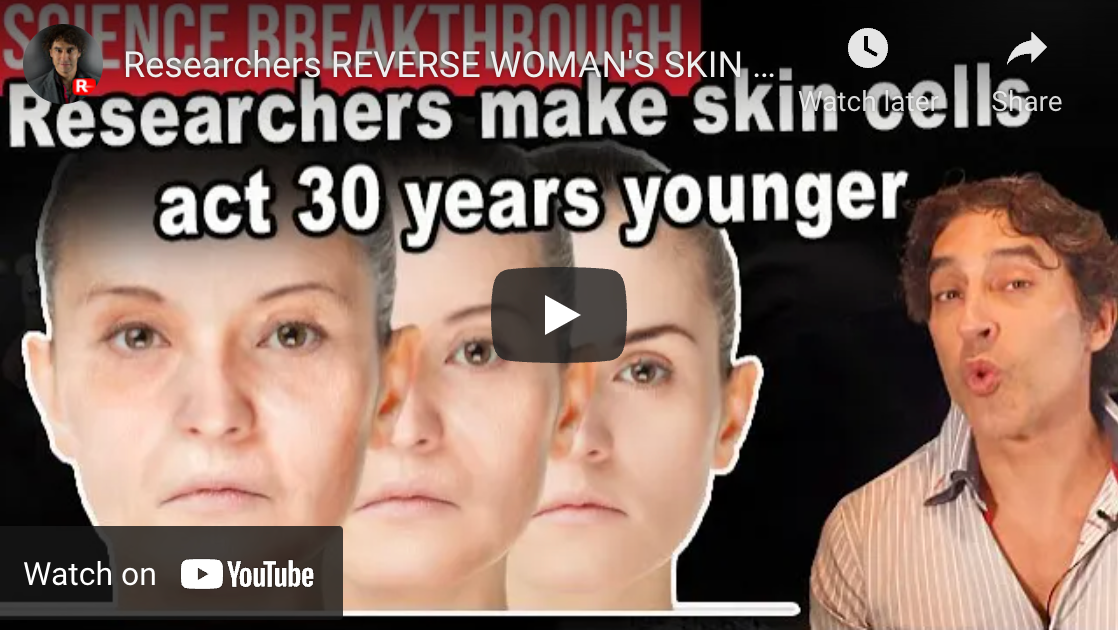
Most people believe wrinkles are the first sign of aging—but in clinical practice, that’s not what shows up first. The earliest and most impactful change is structural loss beneath the skin. The cheeks flatten, temples hollow, and the lower face begins to descend. Wrinkles are often the visible symptom, not the root cause. Research shows that facial aging is driven by volume loss, bone resorption, and changes in soft tissue support, not just surface lines. As deeper fat compartments shift and diminish over time, the face loses its youthful contours. This is why treatments that only target the skin often fall short—because the real issue lies underneath.
The Hidden Causes of Facial Volume Loss After 45
What surprises many people—especially women over 45—is that certain “healthy” habits may actually accelerate this structural decline. High amounts of cardio, chronic stress (cortisol), and unbalanced exercise routines can contribute to muscle loss, bone density reduction, and facial fat depletion. Resistance training, on the other hand, provides a stronger stimulus for maintaining bone density and structural integrity. Additionally, significant weight loss—while beneficial for overall health—can lead to facial volume depletion and increased skin laxity, creating the paradox where someone looks healthier overall but more aged in the face.
The Hidden Causes of Facial Volume Loss After 45
What surprises many people—especially women over 45—is that certain “healthy” habits may actually accelerate this structural decline. High amounts of cardio, chronic stress (cortisol), and unbalanced exercise routines can contribute to muscle loss, bone density reduction, and facial fat depletion. Resistance training, on the other hand, provides a stronger stimulus for maintaining bone density and structural integrity. Additionally, significant weight loss—while beneficial for overall health—can lead to facial volume depletion and increased skin laxity, creating the paradox where someone looks healthier overall but more aged in the face.
How to Protect Facial Structure and Slow Aging
If your face has started to look more tired, hollow, or drawn despite doing “all the right things,” it may be time to shift your approach. Protecting the face means preserving its scaffolding—bone, muscle, and fat—not just the skin. This includes prioritizing resistance training, managing cortisol, and supporting muscle and cellular energy with targeted supplementation.
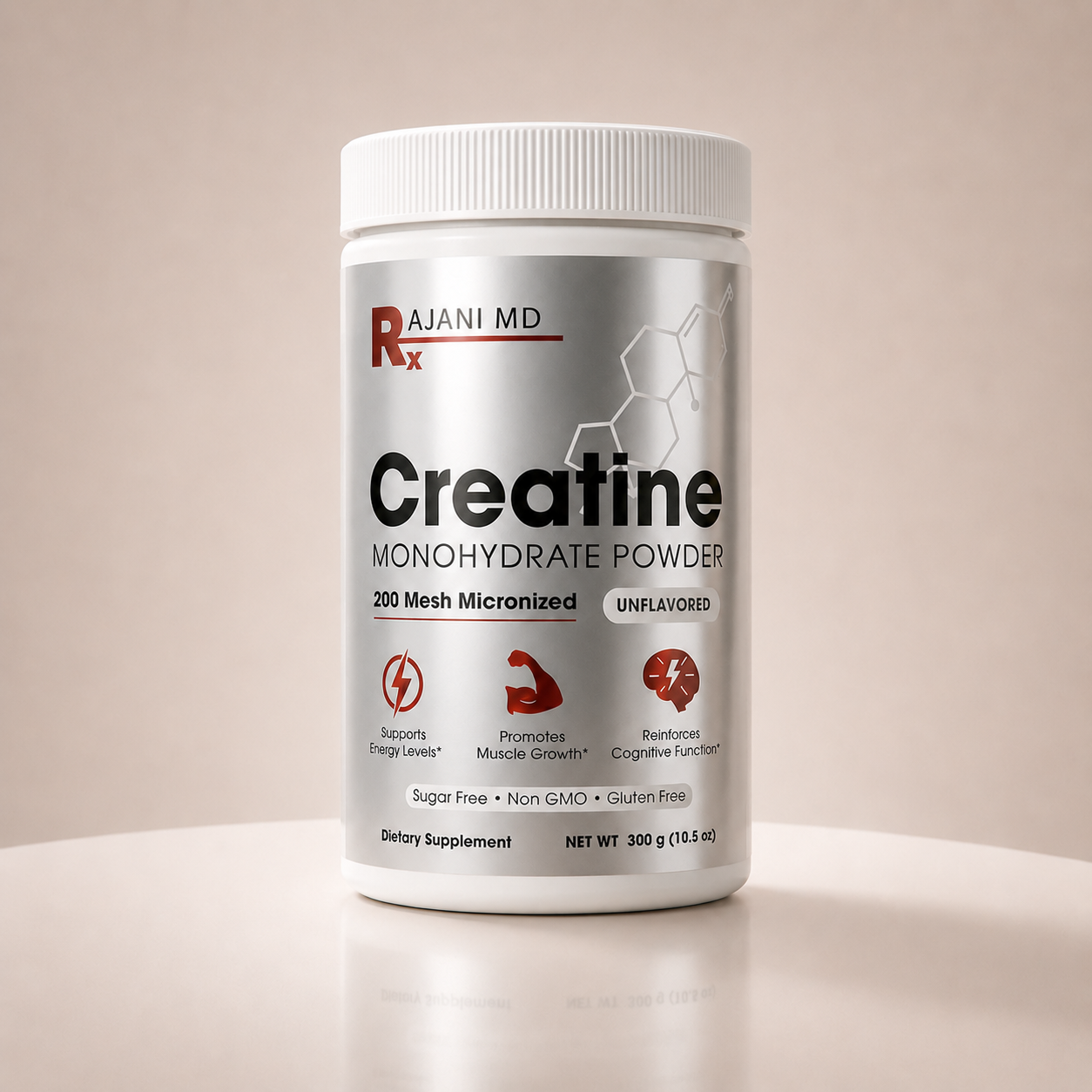
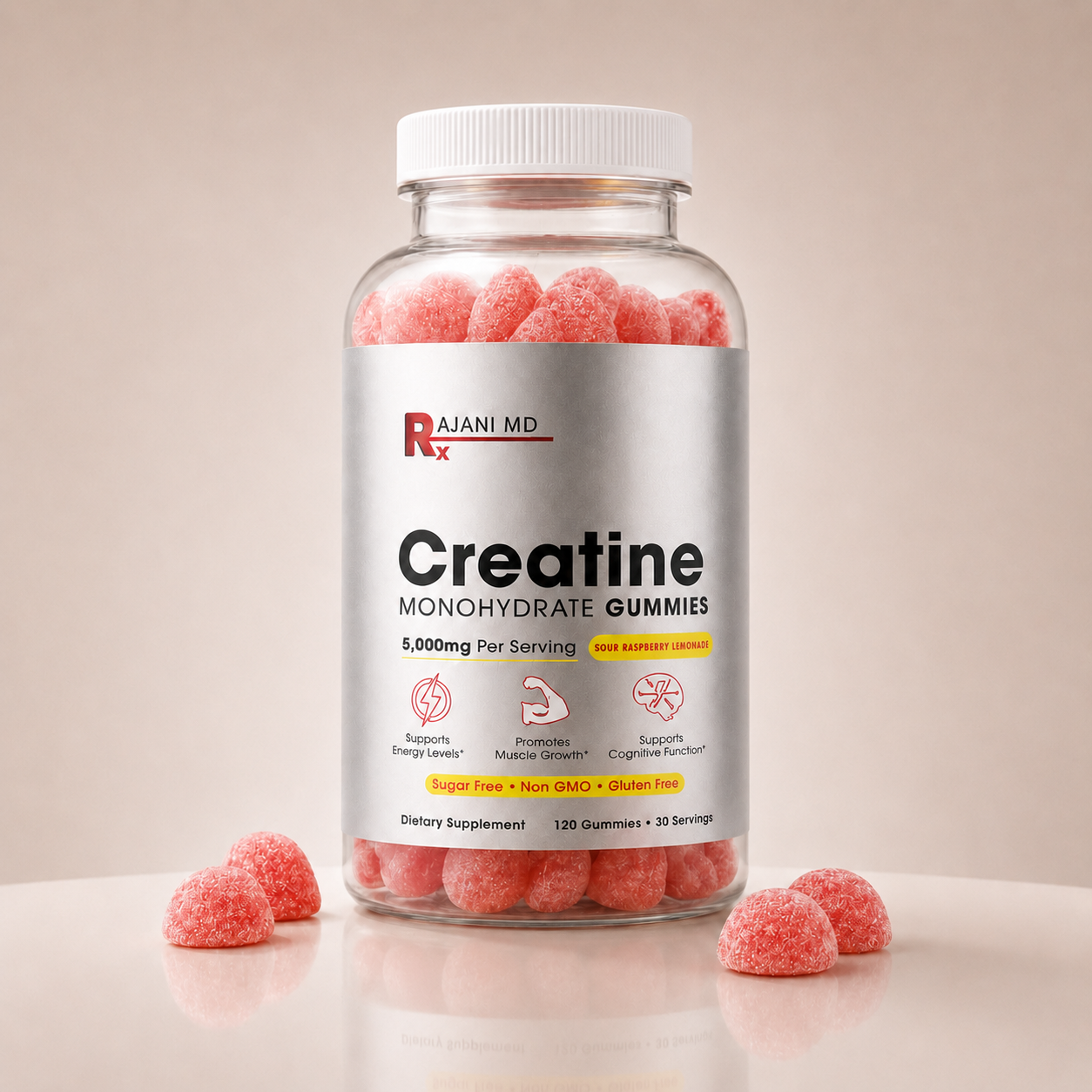
Creatine, in particular, plays a key role in maintaining muscle strength, supporting bone-loading activity, and improving cellular energy production—all of which contribute to preserving facial structure over time. Adding a high-quality creatine supplement like RajaniMD’s formulation can help support these deeper systems that keep the face looking fuller, stronger, and more youthful.
When structure is supported, the skin naturally follows. Aging well isn’t about chasing wrinkles—it’s about preserving what holds everything up.
Clinical Studies on Face Threads
The Anatomy of the Aging Face: Volume Loss and Changes in 3-Dimensional Topography
Facial Aging: A Quantitative Analysis of Midface Volume Changes Over Time
The Effects of Progressive Resistance Training on Bone Density: A Review
Soft Tissue Facial Changes Following Massive Weight Loss: A Systematic Review
More Videos on Face Threads
The Shocking Reason You’re Aging Faster After 40
How To Treat The First Signs Of Facial Aging // Dr Rajani
Why is My Lower Face Ageing Faster - Dr Rajani
This Treatment Is Aging Women Overnight
DISCLAIMER: This video does not contain any medical or health related diagnosis or treatment advice. Content provided on this YouTube Channel is for informational purposes only. For any medical or health related advice, please consult with a physician or other healthcare professionals. Further, information about specific products or treatments within this video are not intended to diagnose, treat, cure or prevent disease.