





The word "exosomes" has entered the skincare conversation fast. You will find it attached to serums, facials, and in-clinic treatments with varying degrees of scientific backing. But most people using the term could not explain what an exosome actually is or why it matters for their skin.
That gap between buzz and understanding is worth closing, especially when a product like the ASCEplus ExoBalm is doing something genuinely different from a standard moisturizer or recovery cream. This is not a marketing relabel of hyaluronic acid with a trendy name. It is a formulation built around rose stem cell exosomes, and the science behind it explains why post-procedure skincare is changing.
What Exosomes Actually Are
Exosomes are nano-sized vesicles, typically between 30 and 200 nanometers, that cells naturally release to communicate with other cells. Think of them as tiny packages of instructions. They carry growth factors, anti-inflammatory cytokines, lipids, and genetic material, such as miRNAs, that tell neighboring cells what to do.
When your skin is damaged, whether from a laser treatment, microneedling, or even a deep chemical peel, the healing process depends on cell-to-cell communication. In a cosmetic skincare context, exosomes are best understood as part of a formula designed to help skin look smoother, firmer, calmer, and more hydrated.
The reason exosomes have become relevant in skincare is that we can now isolate, purify, and apply them topically. Instead of waiting for your body to generate enough of its own signaling molecules, you can supply them directly to the skin when it needs them most.

Why Rose Stem Cells, and What Is ExoSCRT Technology?
The ASCEplus ExoBalm uses exosomes derived specifically from Damask rose stem cells (Rosa damascena). The Damask rose has been used in traditional medicine for centuries, but modern applications are far more precise than crushing petals to make a tincture.
ExoCoBio, the biotech company behind ASCEplus, developed a patented process, ExoSCRT, to isolate and purify these exosomes. The process involves mass-culturing rose stem cells, then separating the exosomes through multiple filtration steps that remove harmful proteins and cellular debris. What remains is a high-purity exosome concentrate that retains its full biological activity.
The exosomes are then lyophilized, meaning freeze-dried, to preserve their potency and stability. This is a significant detail. Liquid exosome formulations degrade over time as the active components break down. Lyophilization helps support stability until mixing. Follow storage instructions after activation.
Rose stem cell exosomes have specifically been studied for their ability to enhance skin elasticity, reduce oxidative stress, promote extracellular matrix remodeling, and suppress inflammatory cytokines associated with irritation and redness. A published case-series study documented significant improvements in scar appearance, skin hydration, and tissue quality in patients treated with Damask rose stem cell exosome therapy over follow-up periods ranging from 1 week to 10 months.

What the ExoBalm Formula Contains Beyond Exosomes
The exosomes are the foundation, but the ASCEplus ExoBalm is not a one-ingredient product. The full formulation includes six targeted peptides and growth factors: SH-Polypeptide-76, Pentapeptide-4, Hexapeptide-8, and Oligopeptide-1/2. These peptides work alongside the exosomes to promote firmer skin, improved texture, and accelerated cell renewal.
For hydration, the cream includes sodium hyaluronate, trehalose, and mannitol. These are not filler ingredients. They pull moisture into the skin and hold it there, which is critical during post-procedure recovery when the barrier is compromised and transepidermal water loss spikes.
Barrier repair and brightening are achieved with niacinamide, a stabilized form of vitamin C (3-O-Ethyl Ascorbic Acid), tranexamic acid, squalane, and ceramide NP. This combination strengthens the skin barrier while addressing hyperpigmentation and uneven tone, two concerns that frequently arise after procedures.
The soothing layer, madecassoside and allantoin, calms visible irritation and reduces redness. Together, these ingredients create an exosome cream that not only heals but also actively improves the skin as it recovers.
How ExoBalm Fits Into Post-Procedure Skincare
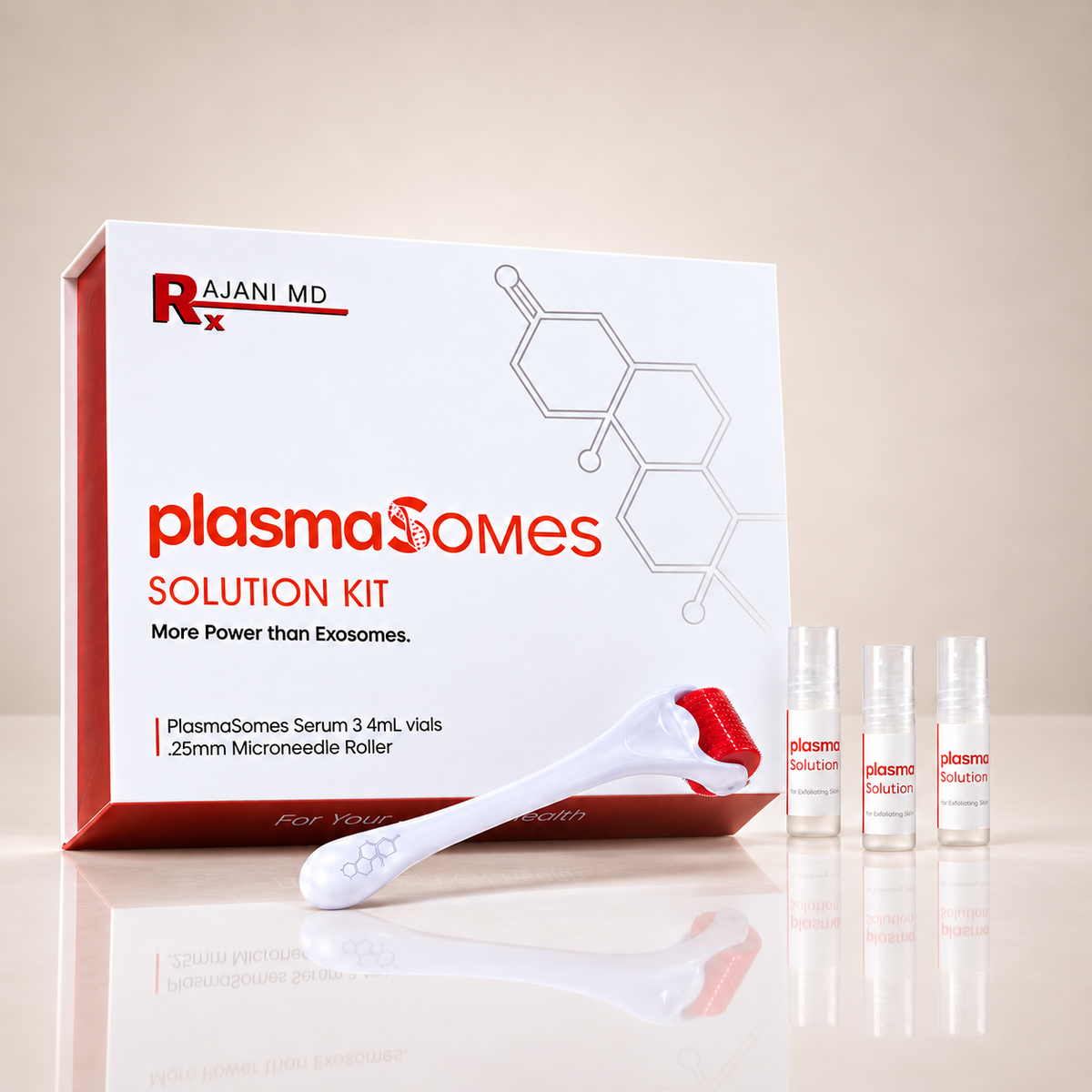
The most impactful time to use the ASCEplus ExoBalm is immediately after treatments that create controlled micro-damage to the skin. If you are using the Plasmasomes Micro-Needle Kit at home, applying ExoBalm directly after a session delivers exosomes through the micro-channels while they are still open. The exosomes penetrate deeper than they would on intact skin, and the peptides and growth factors follow them in.
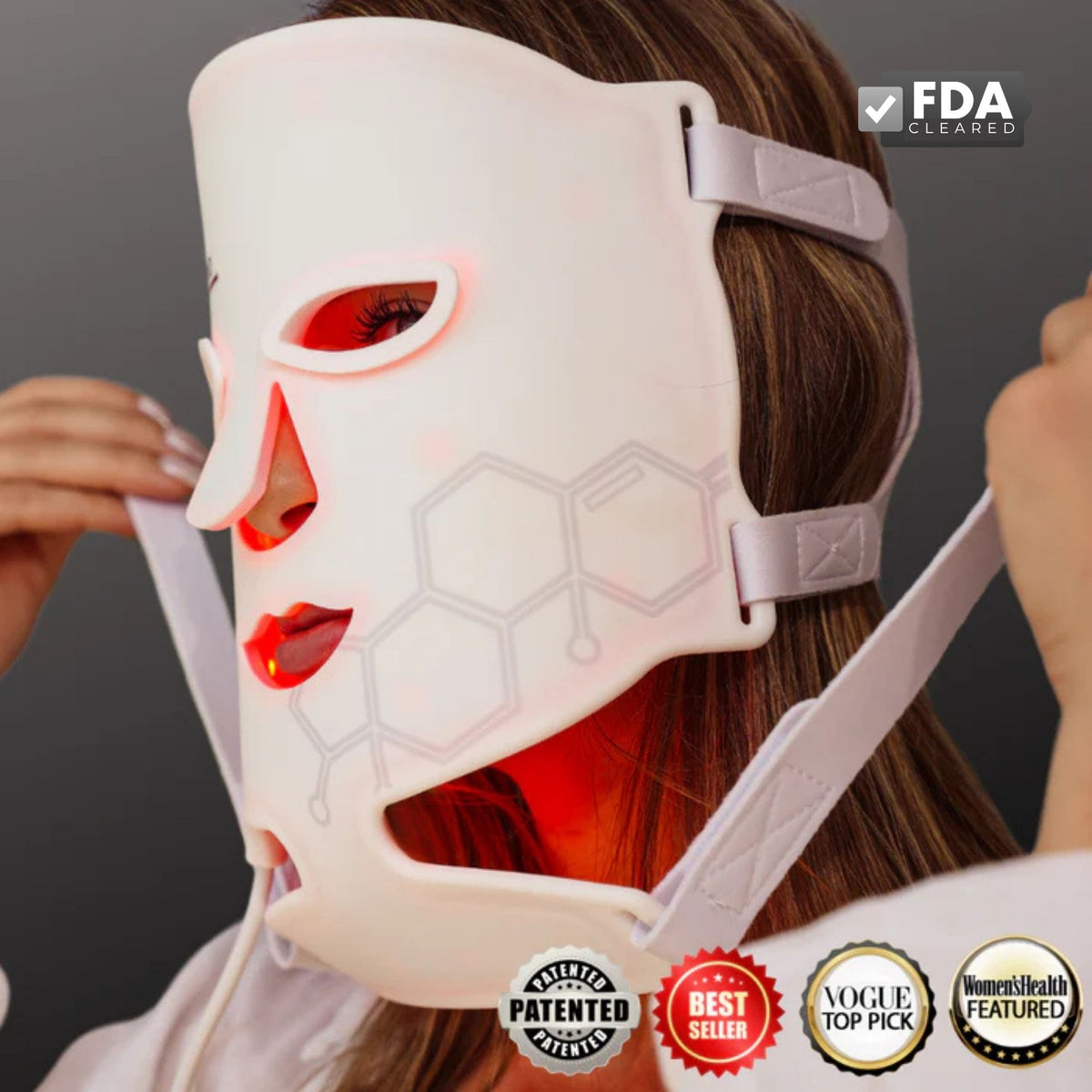
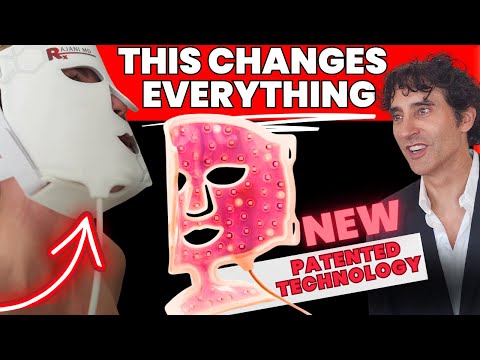
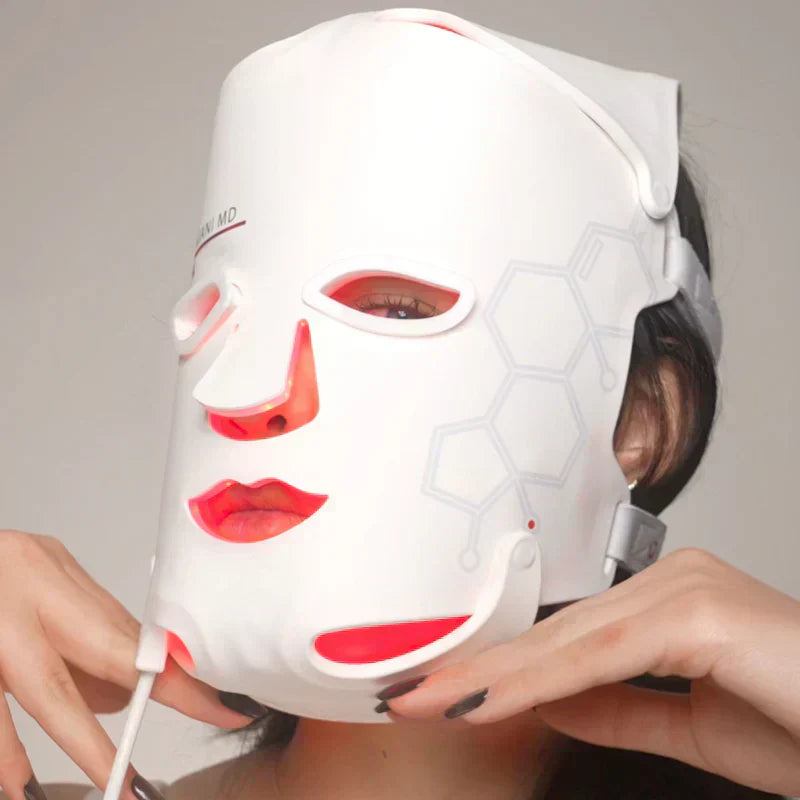
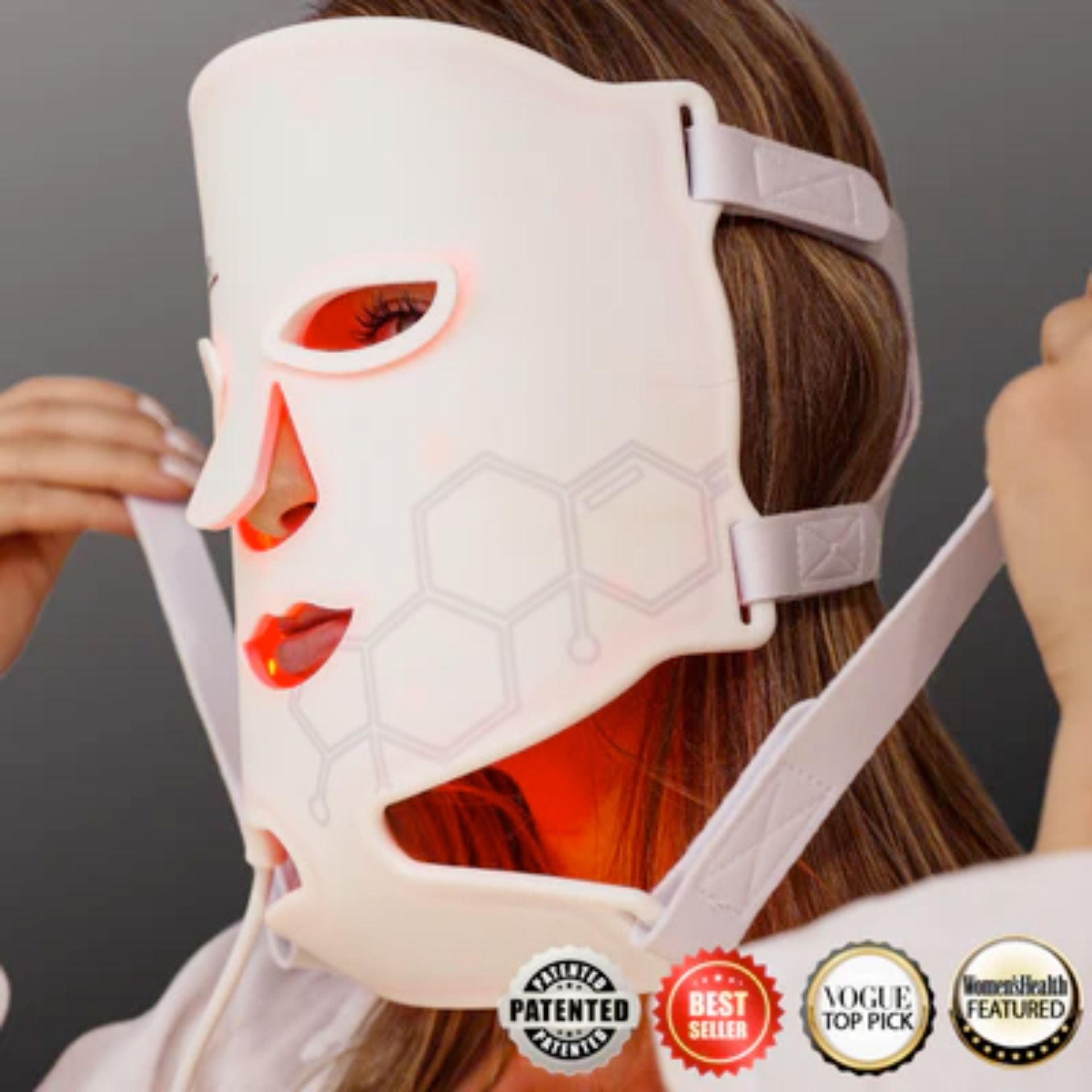
The same principle applies after LED light therapy with the PlasmaGLO LED Face and Jowl Mask. While LED does not create open channels like microneedling, it does increase circulation and cellular activity. Applying ExoBalm after an LED session takes advantage of that heightened cellular receptivity to deliver more active ingredients where they count.
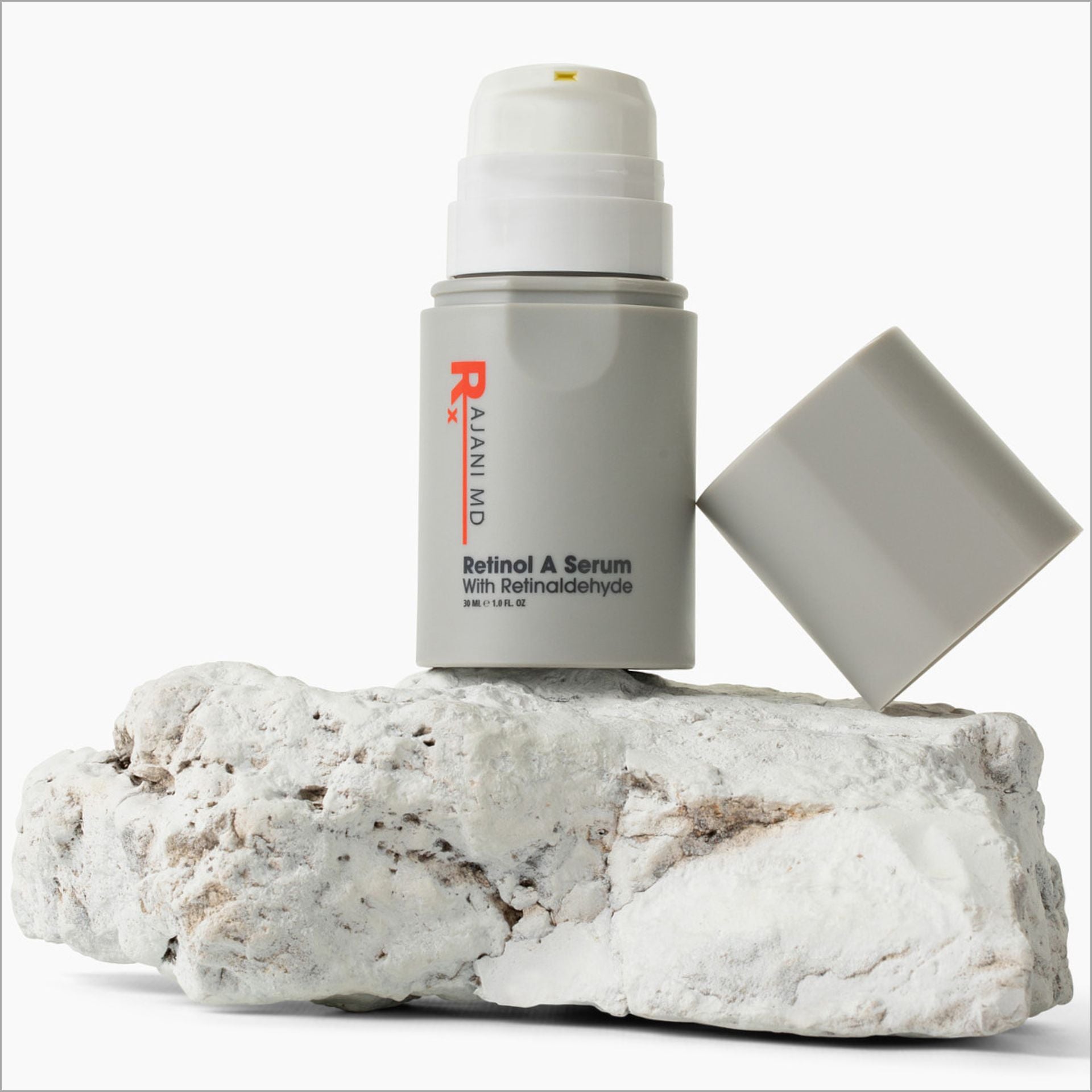
For daily use outside of procedure days, ExoBalm works as a recovery-focused night cream. Layer it over the Retinol A Serum on evenings when you are using retinol, since the barrier-repair ingredients in ExoBalm help buffer the irritation retinol can cause, while the exosomes support the skin renewal retinol initiates.
Users consistently report that a small amount goes a long way. The cream holds moisture throughout the night, and the skin looks noticeably smoother and calmer by morning.
FAQs
Q: Can I use ASCEplus ExoBalm without doing any procedures?
Yes. It works as a standalone night cream for barrier repair, hydration, and anti-aging. Post-procedure use simply maximizes how deeply the exosomes penetrate.
Q: How soon after microneedling can I apply ExoBalm?
Use after procedures only as directed by your provider or device instructions. This allows exosomes and peptides to be absorbed more effectively into deeper skin layers.
Q: What makes rose stem cell exosomes different from other exosome products?
The ExoSCRT technology purifies exosomes from Damask rose stem cells through multiple filtration steps. Lyophilization helps support stability until mixing. Follow storage instructions after activation.
Building a Full Routine Around ExoBalm
Post-procedure skincare does not exist in a vacuum. The ASCEplus ExoBalm performs best when it sits inside a layered routine where each product has a defined role.
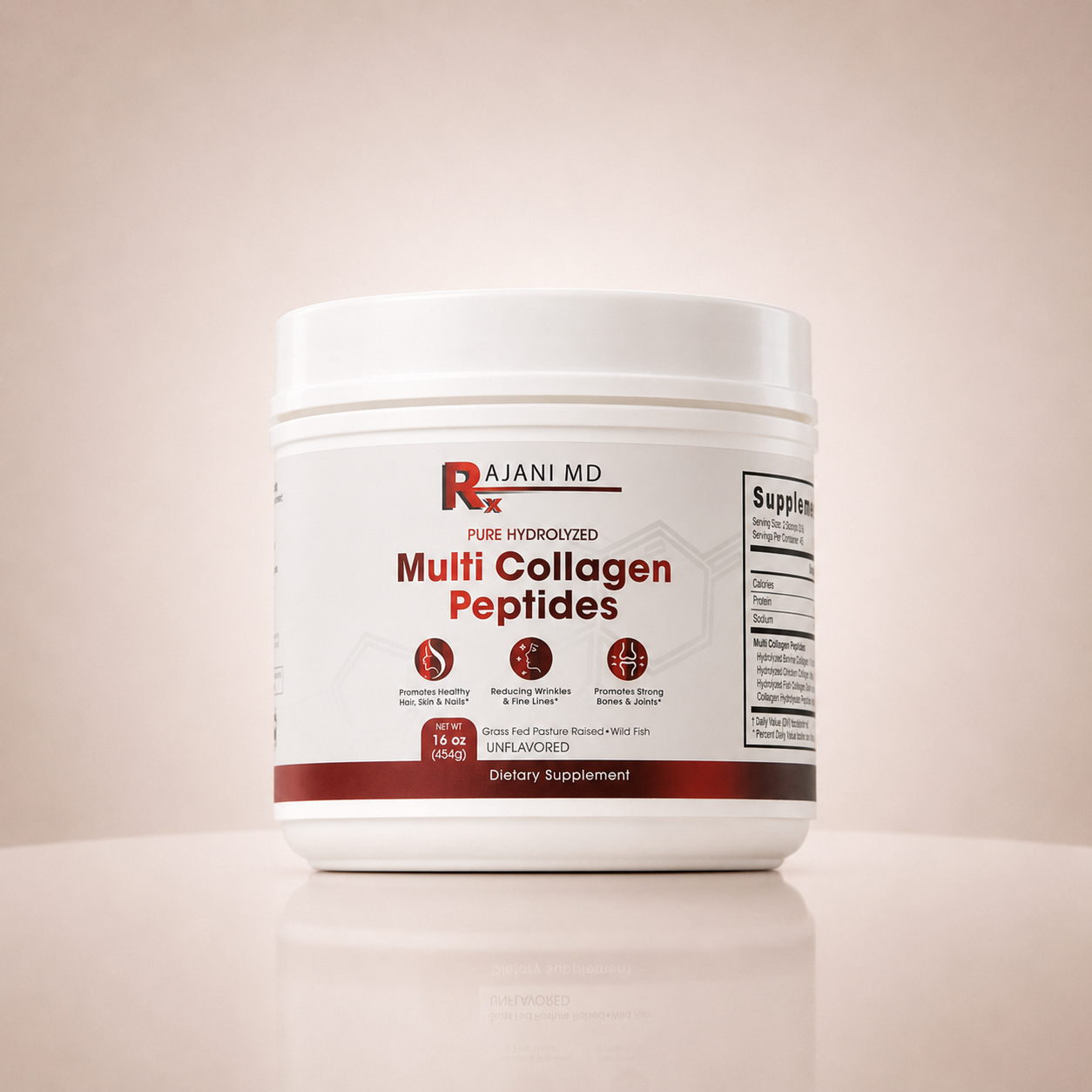
On the device side, pair microneedling sessions with ExoBalm to maximize exosome penetration. Use the CryoGLO Roller the following morning to calm any residual redness and tighten pores. On the supplement side, Collagen Powder provides the raw building blocks internally, while exosomes signal your skin cells to use them.
This inside-out, surface-to-deep approach is the core of Dr. Rajani's philosophy. Topicals alone have limits. Devices alone have limits. Exosomes alone have limits. But when they work together within a structured skincare routine, each layer removes the ceiling on what the others can accomplish.
Related LED/Light Therapy Background Studies:
Avci, P., Gupta, A., Sadasivam, M., Vecchio, D., Pam, Z., Pam, N., & Hamblin, M.R. (2013). Low-level laser (light) therapy (LLLT) in skin: stimulating, healing, restoring. Seminars in Cutaneous Medicine and Surgery, 32(1), 41–52. https://pubmed.ncbi.nlm.nih.gov/24049929/
Gupta, A., Dai, T., & Hamblin, M.R. (2014). Effect of Red and Near-Infrared Wavelengths on Low-Level Laser (Light) Therapy-Induced Healing of Partial-Thickness Dermal Abrasion in Mice. Lasers in Medical Science, 29(1), 257–265. https://pubmed.ncbi.nlm.nih.gov/23619627/
Wunsch, A. & Matuschka, K. (2014). A Controlled Trial to Determine the Efficacy of Red and Near-Infrared Light Treatment in Patient Satisfaction, Reduction of Fine Lines, Wrinkles, Skin Roughness, and Intradermal Collagen Density Increase. Photomedicine and Laser Surgery, 32(2), 93–100. https://pubmed.ncbi.nlm.nih.gov/24286286/
DISCLAIMER: This video does not contain any medical or health related diagnosis or treatment advice. Content provided on this YouTube Channel is for informational purposes only. For any medical or health related advice, please consult with a physician or other healthcare professionals. Further, information about specific products or treatments within this video are not intended to diagnose, treat, cure or prevent disease.