





Say "PEMF" to most people, and they picture a mat an athlete lies on after a hard session. The technology is broader than that. Pulsed electromagnetic field therapy has entered skincare and is now built into some of the devices people use on their faces at home.
The question worth answering is straightforward: what does it actually do, and where does it fit in a recovery or anti-aging routine? Let’s explore the answer in this blog.
What Is Pulsed Electromagnetic Field Therapy?
PEMF uses low-frequency electromagnetic pulses that pass into tissue without heat, needles, or downtime. The pulses are designed to interact with cells rather than sit on the skin's surface.
This is the part that tends to get lost: PEMF does not deliver light or thermal energy the way many beauty devices do. It works on a different principle. The goal of the PEMF Technology collection is to support how cells communicate, signal, and function together.
The technology itself is not new or fringe. Related forms have been used in professional and clinical settings for a variety of purposes, but those uses are separate from what an at-home skincare device is designed to claim. In this context, the focus is cosmetic: pairing this technology with light therapy in a compact tool to support a refreshed, smoother-looking appearance.
What PEMF Actually Does at the Cellular Level
One area of interest in the research is circulation and recovery support. PEMF is being studied for circulation and recovery support, which is one reason it has become part of the broader conversation around at-home wellness and skincare tools. A review of PEMF and tissue oxygenation points to improved perfusion as a core mechanism.
There is also evidence that PEMF influences the cells that build and repair skin. Research is still emerging for cosmetic skin use.
Worth being honest here: the strongest, most established evidence for PEMF sits in wound healing, recovery, and pain. Cosmetic and anti-aging research is still emerging, and the rationale for skin is largely extrapolated from findings in circulation and fibroblasts. It is promising, not proven to replace your actives. Results may vary from one person to the next.

PEMF for Skin: Where It Fits in Recovery and Anti-Aging
Skin is tissue, and tissue recovers better with good circulation and active repair cells. That is the logic behind adding PEMF to a skin routine. It is best understood as a support layer that helps create better conditions for repair, rather than a single treatment that erases lines on its own.
Specifically for recovery, the same circulation benefits that interest athletes also apply to skin that feels stressed, tired, or sluggish. The aim is to help the skin do its own work more efficiently.
PEMF and LED: Different Jobs, Better Together
This is the most useful way to think about it. LED light therapy delivers specific wavelengths of light into the skin to drive collagen-supporting processes. PEMF works alongside that, supporting cellular signaling and circulation. They are doing different jobs, which is exactly why combining them makes sense.
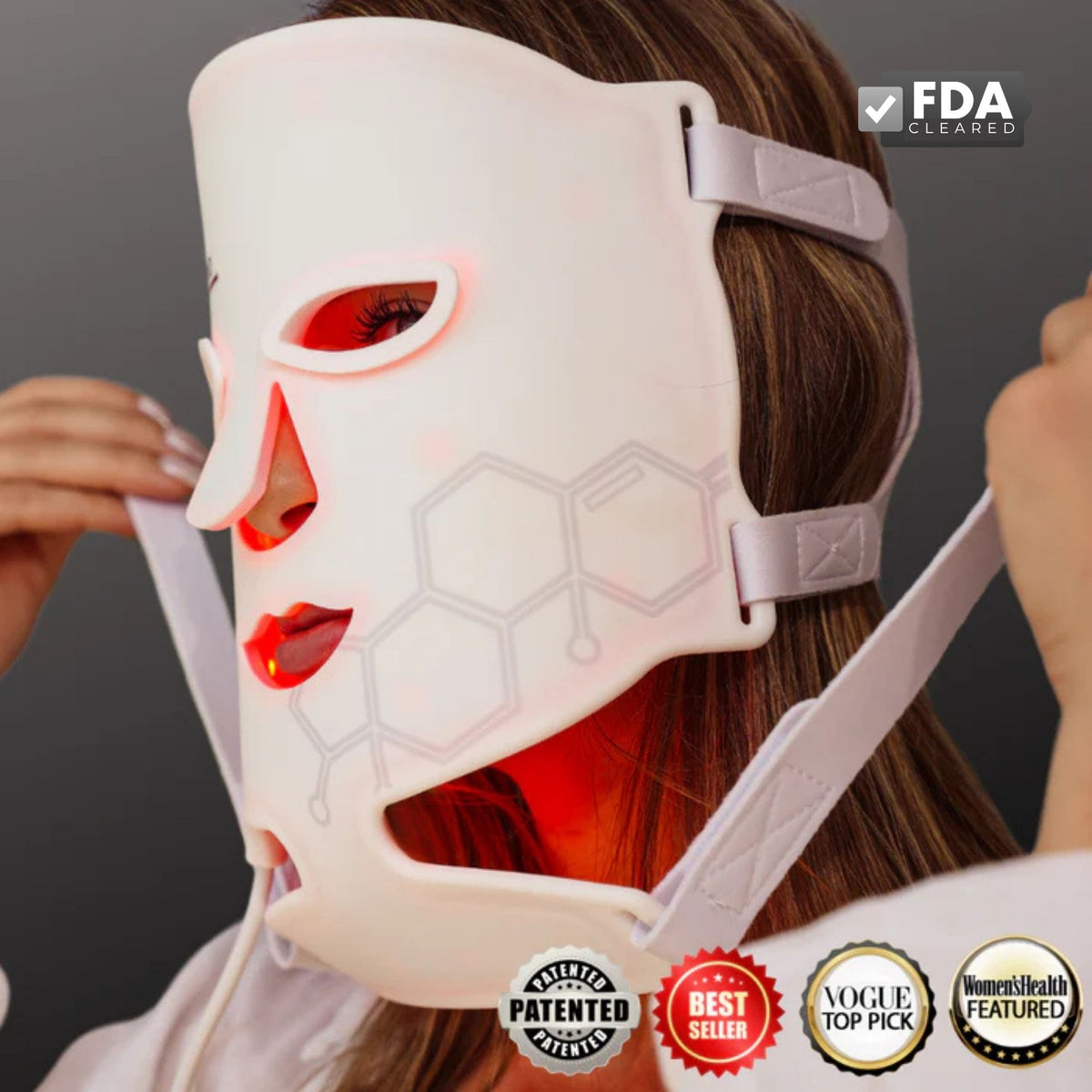
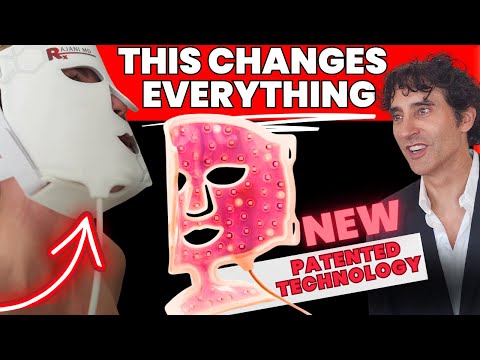
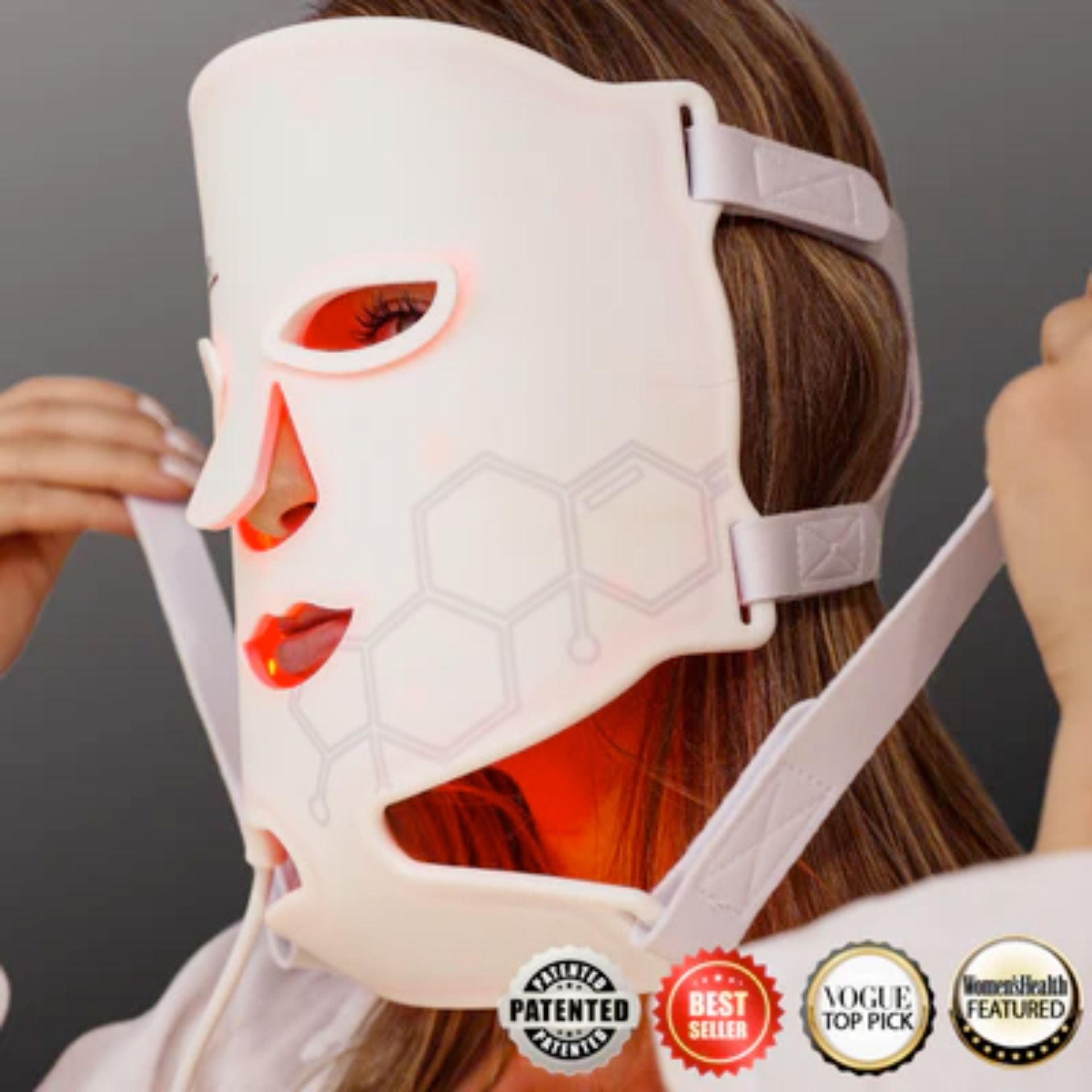
That combination is the idea behind the PlasmaGLO™ LED HALO Hair, Face and Neck Mask, which pairs red, blue, and near-infrared light with PEMF energy in select modes. The same pairing shows up in the PlasmaGLO LED DUO Undereye Corrector for the delicate skin under the eyes.
If you want light therapy without the PEMF layer, the PlasmaGLO™ LED Face and Jowl Mask covers the full face and jowls, and you can compare formats across the full LED light therapy collection.
How to Use PEMF at Home
Consistency matters far more than intensity. PEMF and LED tools are designed for short, regular sessions, usually around ten minutes, several times a week. The skin responds to repetition over weeks, not to one long session.
A simple approach:
-
Cleanse first so nothing sits between the device and your skin.
-
Run your session three to five times per week.
-
Follow with your usual serums and moisturizer to take advantage of the skin's warmth and receptiveness.
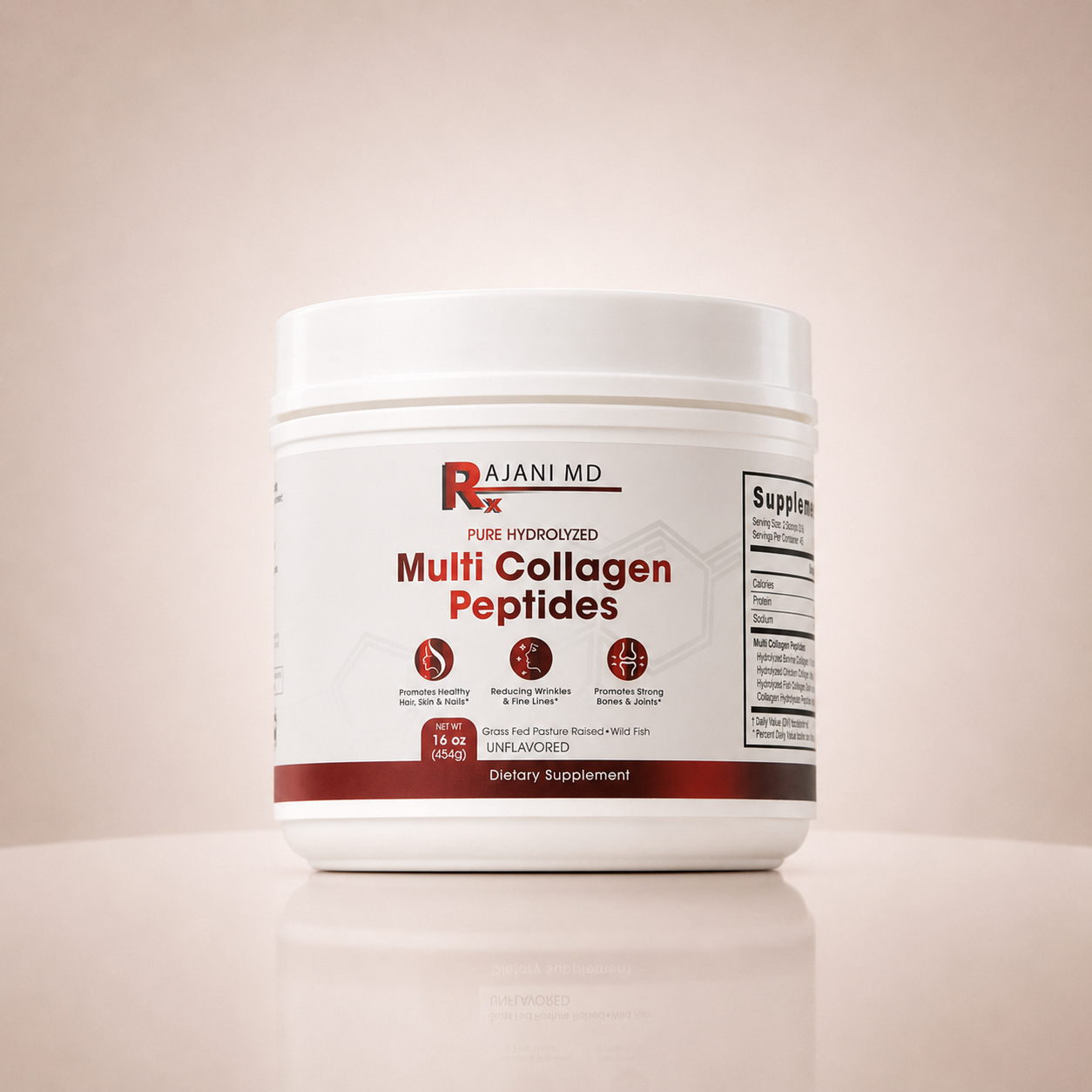
Pairing a device with the right topicals helps. A hydrating step like the Hyaluronic Acid Serum supports the surface while you support the deeper layers, and an inside-out approach with Multi Collagen Peptides Powder gives fibroblasts the raw materials they need.

What Realistic Results Look Like
Some users may notice visible changes with consistent use; results vary. The keyword is consistent. These are cumulative tools, and skipping weeks resets the momentum. If you want to see how PEMF and LED sit inside a broader plan, the Healthy Aging routine and the wider device collection are useful starting points.
For more on the light side of these tools, this piece on whether red light therapy masks are safe is a good companion read.
Frequently Asked Questions
Is PEMF the same as red light therapy?
No. Red light delivers light energy into the skin, while PEMF uses electromagnetic pulses to support circulation and cellular signaling. They complement each other.
Does PEMF hurt or have downtime?
No. It is non-invasive and heat-free, so sessions are comfortable with no recovery time.
How often should I use a PEMF device?
Short sessions of around ten minutes, three to five times a week, tend to work best. Consistency drives results.
Can PEMF replace my skincare actives?
No. It is a support layer that works best alongside serums, moisturizer, and sun protection, not as a substitute for them.
Putting It Into Practice
PEMF is not a magic switch, and it does not need to be. Used the way it is designed, as a circulation and recovery support layer paired with light therapy and good topicals, it is a sensible addition to a modern anti-aging routine.
Start with one device, stay consistent, and build the rest of your routine around it.
Disclaimer: The information here is for educational purposes and is not intended to diagnose, treat, cure, or prevent any disease. Results may vary.
Reference:
Avci, Pinar, et al. "Low-Level Laser (Light) Therapy (LLLT) in Skin: Stimulating, Healing, Restoring." Seminars in Cutaneous Medicine and Surgery, vol. 32, no. 1, 2013, pp. 41–52. www.ncbi.nlm.nih.gov/pmc/articles/PMC4126803/.
Barolet, Daniel, et al. "Regulation of Skin Collagen Metabolism In Vitro Using a Pulsed 660 nm LED Light Source: Clinical Correlation with a Single-Blinded Study." Journal of Investigative Dermatology, vol. 129, no. 12, 2009, pp. 2751–59. https://doi.org/10.1038/jid.2009.186.
Wunsch, Alexander, and Karsten Matuschka. "A Controlled Trial to Determine the Efficacy of Red and Near-Infrared Light Treatment in Patient Satisfaction, Reduction of Fine Lines, Wrinkles, Skin Roughness, and Intradermal Collagen Density Increase." Photomedicine and Laser Surgery, vol. 32, no. 2, 2014, pp. 93–100. https://doi.org/10.1089/pho.2013.3616.
DISCLAIMER: This video does not contain any medical or health related diagnosis or treatment advice. Content provided on this YouTube Channel is for informational purposes only. For any medical or health related advice, please consult with a physician or other healthcare professionals. Further, information about specific products or treatments within this video are not intended to diagnose, treat, cure or prevent disease.