






How to Treat Nasolabial Folds Without Overfilling
Nasolabial folds, also called smile lines or laugh lines, are one of the most common concerns people ask about. But when it comes to how to treat nasolabial folds, the answer is not always filler.
After 25 years of evaluating faces, I can tell you this: not every line needs a needle. The key is understanding why the fold is there before treating it.
Quick Answer: How Do You Treat Nasolabial Folds?
The best way to treat nasolabial folds is to find the cause first. Smile lines can come from genetics, collagen loss, cheek descent, facial volume loss, GLP-1 weight loss, runner’s face, or skin laxity. Mild folds may only need prevention and collagen support. Deeper folds may need conservative filler, biostimulators, or surgical lifting.
Are Smile Lines Normal?
Yes, smile lines can be normal. Babies have them. Young people have them.
But deep nasolabial folds are not always “just aging.” Some people develop them earlier because of facial structure, weight loss, collagen loss, or loss of midface support.
That is why one treatment does not work for everyone.
Why Filler Is Not Always the First Answer
Filler can help, but it needs to be used carefully.
The smile line area moves constantly when you talk, smile, and eat. Because of that, filler placed directly into the fold can sometimes migrate or draw in water, making the face look puffy or heavy.
The goal is not to erase every line. The goal is to restore the support that once softened the fold naturally.
Should You Fill the Cheeks Instead?
Sometimes, but not always.
If the real issue is cheek descent or midface volume loss, carefully placed cheek support can soften nasolabial folds. But too much cheek filler can create a puffy or unnatural look.
This is why strategy matters.
What Helps at Home?
At-home care is best for prevention, circulation, and collagen support.
Focus on:
-
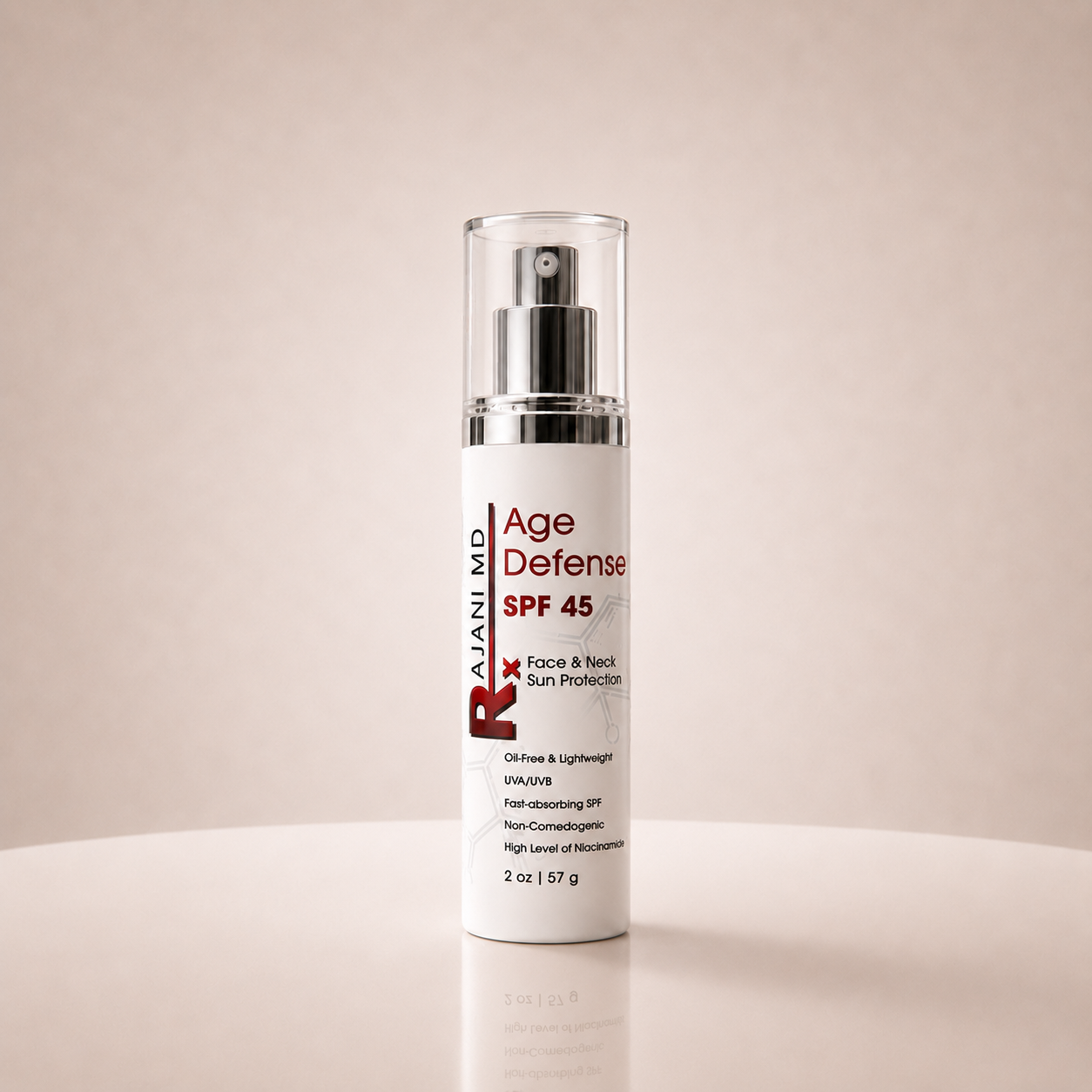
Daily SPF
-
Retinoids
-
Red light therapy
-
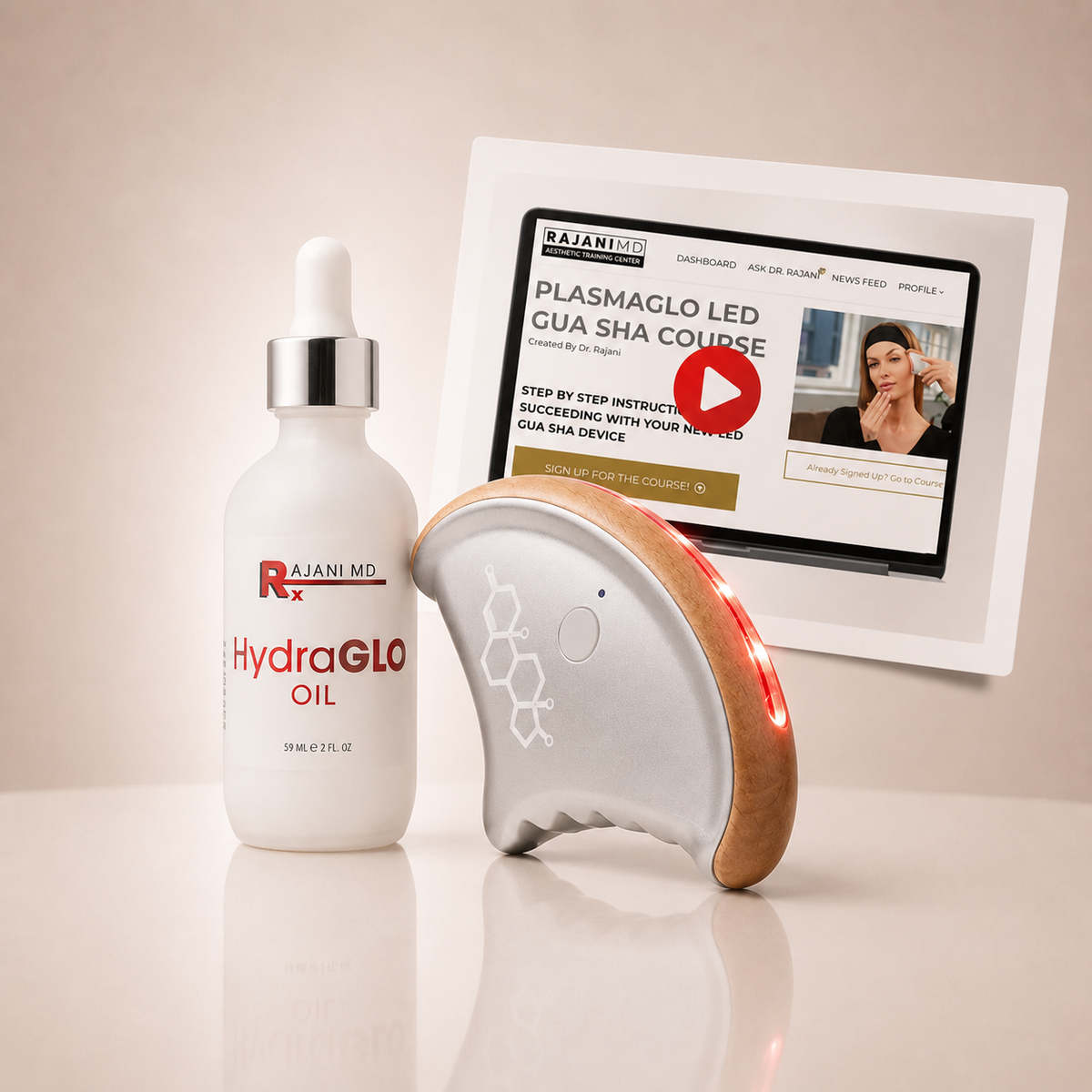
Gua sha
-
Gentle facial massage
-
Hydration
-
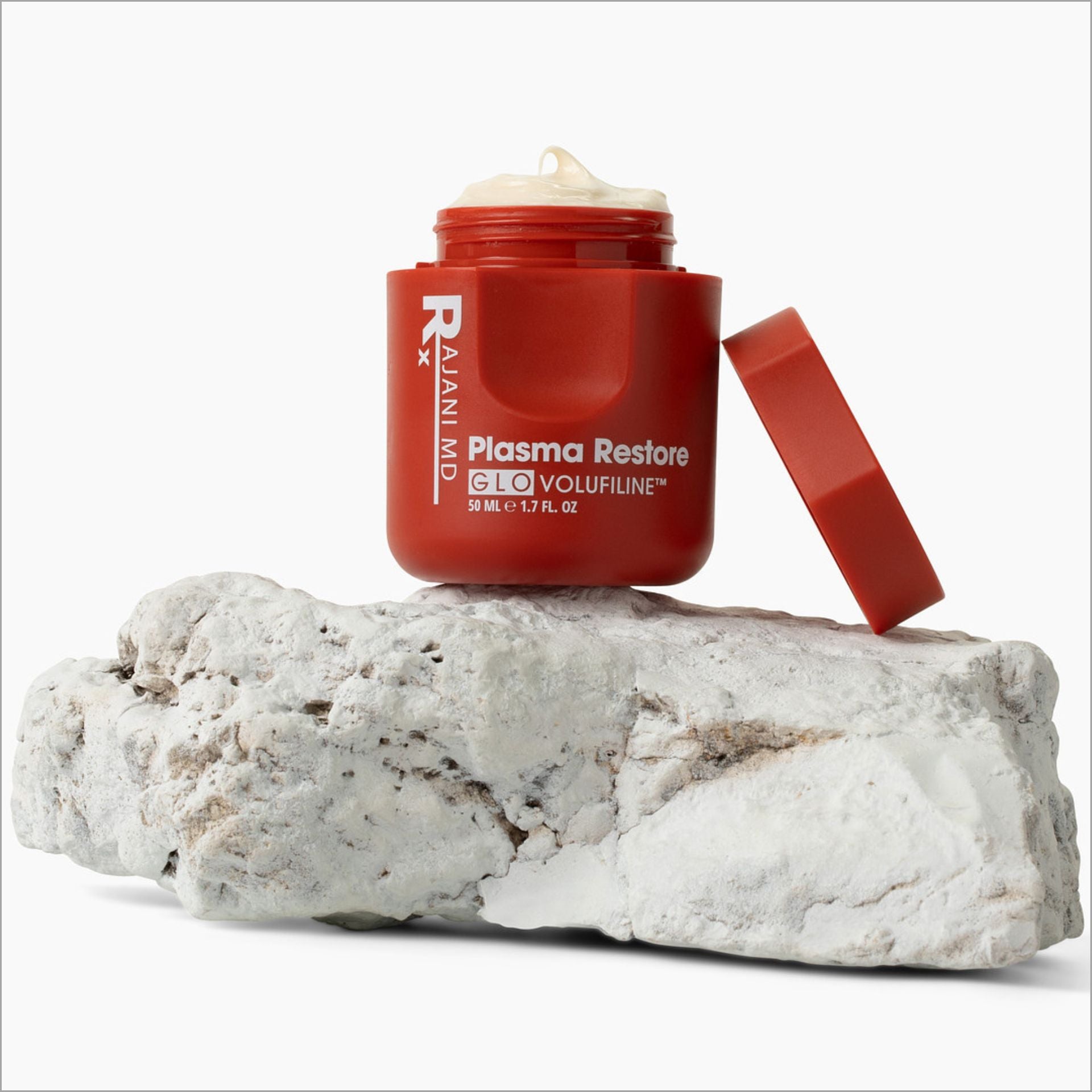
Collagen-supporting skincare
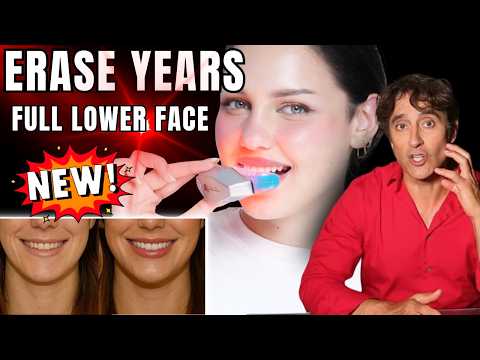
For mouth-area support, the PlasmaGLO LED Lip and Mouth Device can be a helpful part of a consistent routine.
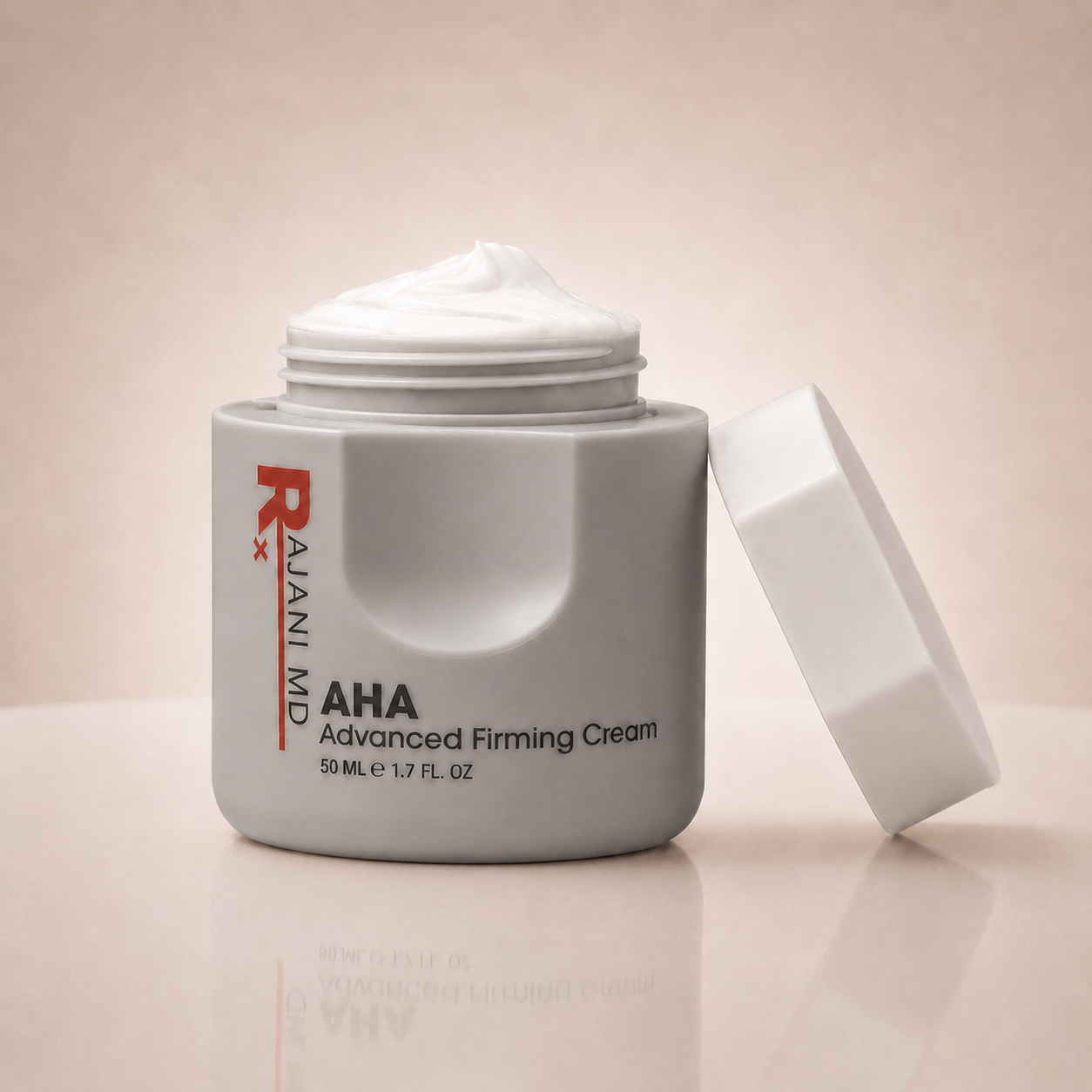
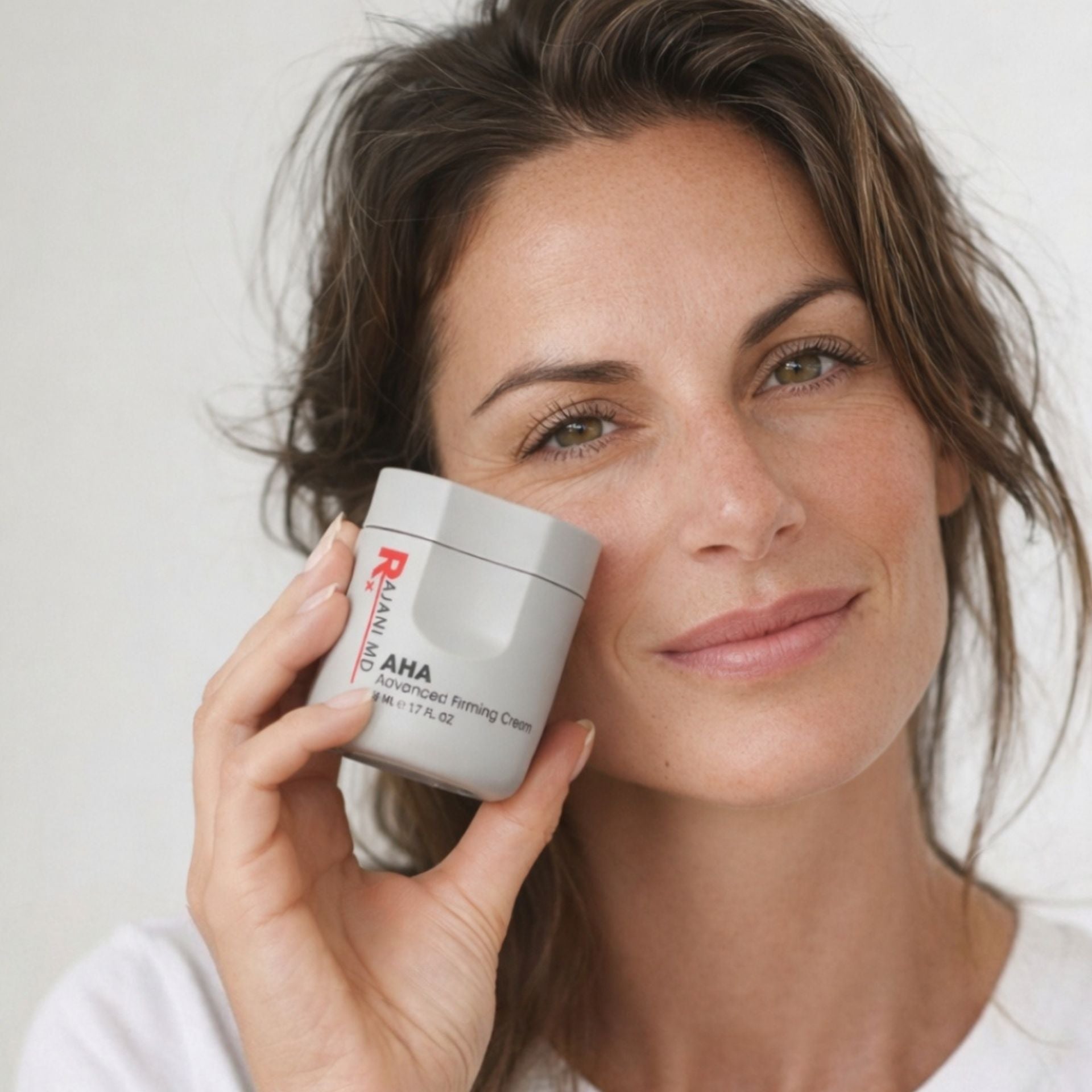
For firmer-looking skin, AHA Advanced Firming can also support overall skin quality.
My 3-Stage Approach
Stage 1: Prevent and Support
If the fold is mild, start with skincare, SPF, red light therapy, gua sha, and healthy lifestyle habits.
Stage 2: Restore Structure
If there is cheek flattening, volume loss, GLP-1 face, runner’s face, or collagen loss, conservative filler or biostimulators like Sculptra may help restore support.
Stage 3: Lift When Needed
If the cheeks have significantly descended or the lower face is sagging, you may not have a fold problem anymore. You may have a facial descent problem. In that case, a facelift or neck lift may be the better option.
Final Thoughts
When it comes to how to treat nasolabial folds, there is no one-size-fits-all answer.
Never fill the fold? Wrong.
Always fill the fold? Also wrong.
The right treatment depends on your structure, collagen, movement, and stage of aging. Treat the cause, not just the line.
Clinical Studies
The Facial Aging Process From the “Inside Out”
Hyaluronic Acid Filler Longevity in the Mid-face
A Controlled Trial to Determine the Efficacy of Red and Near-infrared Light Treatment
More Videos
HOW TO SMOOTH YOUR SMILE LINES // Remove Nasolabial Folds
DISCLAIMER: This video does not contain any medical or health related diagnosis or treatment advice. Content provided on this YouTube Channel is for informational purposes only. For any medical or health related advice, please consult with a physician or other healthcare professionals. Further, information about specific products or treatments within this video are not intended to diagnose, treat, cure or prevent disease.