





For years, facial rejuvenation focused on the forehead, crow’s feet, and midface.
But today, the real conversation has shifted.
The lower face is where aging shows most — and where it’s hardest to correct.
We’re talking about:
- The jawline
- The mouth
- The lips
- The neck
- The bone underneath it all
If you feel like you look “tired,” “collapsed,” or “older” despite treating your forehead and eyes… this is why.
Let’s break down what’s actually happening — and what truly works.
Why the Lower Face Ages Differently
Lower face aging is not just loose skin.
It’s layered and structural:
- Bone remodeling (especially around the teeth and jaw)
- Fat shifting and volume loss
- Muscle imbalance
- Skin thinning
- Collagen breakdown
- Gum recession and alveolar bone loss
This is why pulling the skin tighter doesn’t fully solve the issue.
A surgical lift repositions tissue.
It does not:
- Thicken the dermis
- Restore lost bone
- Improve gum health
- Rebuild lip structure
- Improve pigmentation
- Rebalance muscle pull
If the foundation isn’t addressed, the result never feels complete.
The 4 Major Drivers of Lower Face Aging
Bone Loss (The Hidden Factor)
Alveolar bone — the bone that supports your teeth — gradually shrinks with age and inflammation.
When that happens:
- Lips cave inward
- The jawline softens
- The lower face shortens
- Jowls become more pronounced
Preserving bone preserves structure.
Research in dental medicine shows red and near-infrared light may:
- Reduce gum inflammation
- Support healing
- Improve circulation
- Lower gingivitis markers
Healthy gums support healthy bone.
Healthy bone supports youthful structure.
Muscle Imbalance
Every muscle in your face either lifts or pulls down.
Over time:
- Downward muscles dominate
- The corners of the mouth turn down
- Neck bands appear
- Jowls deepen
Over-relaxing muscles can contribute to bone remodeling changes.
The goal isn’t freezing movement.
It’s balance.
Collagen Signaling & Growth Factors
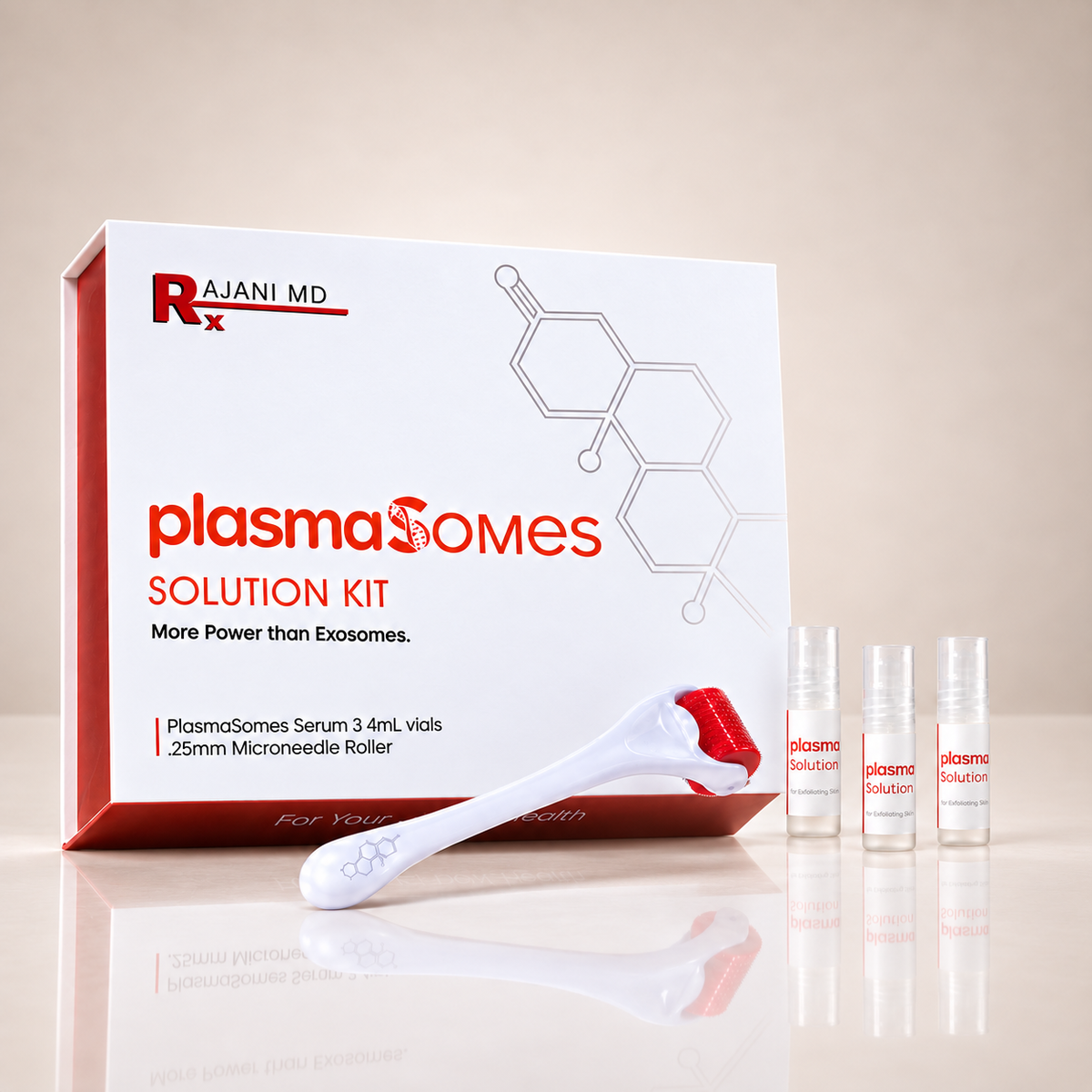
Procedures like threads, microneedling, PRF, and biostimulators work by creating controlled micro-injury.
But what really matters isn’t just collagen production.
It’s the signaling cascade:
- Transforming Growth Factor Beta (TGF-β)
- Vascular Endothelial Growth Factor (VEGF)
- Matrix remodeling enzymes
You want stimulation — not chronic inflammation.
Smart stimulation rebuilds.
Overstimulation depletes.
Hormonal Influence
After 40, estrogen decline affects:
- Elasticity
- Barrier function
- Lip fullness
- Skin thickness
Vertical lip lines are rarely just “wrinkles.”
They are:
- Hyperdynamic muscle movement
- Dermal thinning
- Volume loss
- Structural changes
Addressing only one layer won’t solve it.
Treatment Order Matters
If you’re layering devices or treatments, here’s the rule:
Light first.
Heat second.
Microneedling last.
Microneedling creates microchannels.
You don’t want aggressive manipulation after that.
So your sequence should be:
- LED / red light
- Radiofrequency or ultrasound
- Microneedling (final step)
Consistency beats intensity every time.
Red Light: Morning or Night?
Red light can be used anytime.
But research suggests morning use may support cellular resilience and provide protective benefits against UV exposure.
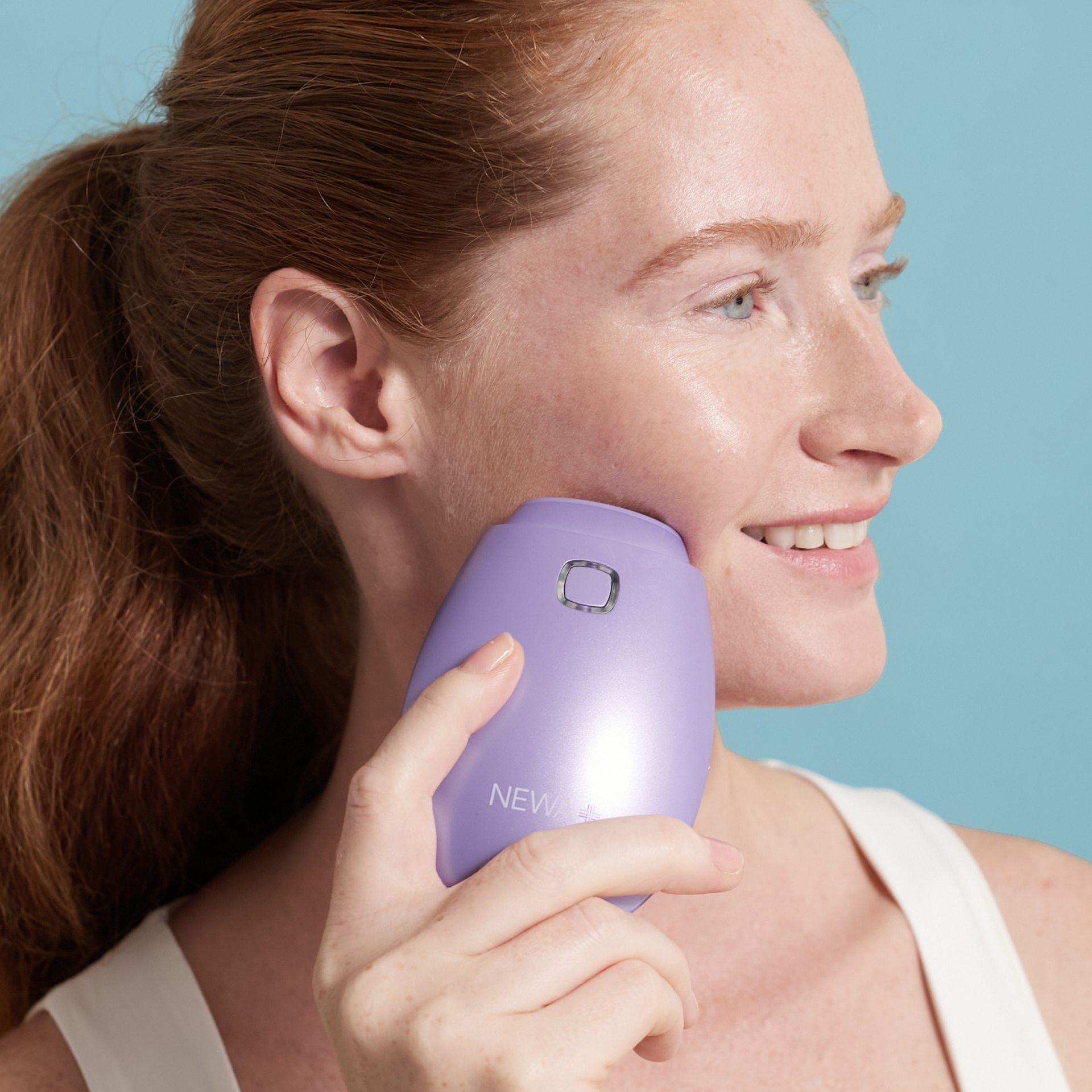
Red and near-infrared light work by:
- Increasing mitochondrial energy production
- Improving circulation
- Reducing inflammation
- Supporting collagen health
It’s one of the safest and most foundational tools available.
RF vs Ultrasound for Lower Face Tightening
Both create controlled heat to stimulate tightening.
- Ultrasound targets deeper layers (including SMAS).
- Radiofrequency works more within the dermis and superficial tightening.
If you have significant laxity → ultrasound may give stronger lift.
If you need contour + collagen stimulation → RF may be sufficient.
But neither replaces structural volume restoration when bone loss is present.
Sculptra vs Filler
- Filler provides immediate volume.
- Sculptra stimulates collagen over time.
Biostimulators paired with platelet-rich therapies can create gradual structural support.
Proper placement matters more than brand names.
The New Era of Biologics
You’ll continue to see advancements in:
- Injectable fat derivatives
- Biostimulatory fillers
- Synthetic scaffolds
- Exosome-based therapies
But innovation requires discernment.
Not all biologics are equal.
Screening known risks doesn’t eliminate unknown variables.
Be informed.
Be selective.
Avoid chasing hype.
If You Only Do One Thing
Start with red light.
It supports:
- Skin quality
- Circulation
- Gum health
- Collagen signaling
- Low-risk consistency
From there:
- Add targeted microneedling
- Support the neck specifically
- Address muscle balance
- Restore volume strategically
Layer intelligently.
What Truly Works Long-Term
Lower face rejuvenation is not one procedure.
It’s a system:
- Consistent light therapy
- Structured microneedling
- Hormonal awareness
- Bone preservation
- Volume strategy
- Muscle balance
- Oral health optimization
The future of aesthetics isn’t about doing more.
It’s about rebuilding smarter.
Healthy bone.
Balanced muscle.
Strong collagen.
Clear skin.
That’s the real lower face reset.
Clinical Studies of Lower Facial Aging
Effect of adjunctive low-level laser therapy (LLLT) on periodontal treatment outcomes: A systematic review and meta-analysis
A Multicenter Study of the Safety and Effectiveness of Poly-L-Lactic Acid in the Correction of Nasolabial Fold Contour Deficiencies
More Videos on Facial Aging
Lower Face Aging -( Stop Wasting Your Money )
The Shocking Reason You’re Aging Faster After 40 - It’s in Your Cheeks
DISCLAIMER: This video does not contain any medical or health related diagnosis or treatment advice. Content provided on this YouTube Channel is for informational purposes only. For any medical or health related advice, please consult with a physician or other healthcare professionals. Further, information about specific products or treatments within this video are not intended to diagnose, treat, cure or prevent disease.