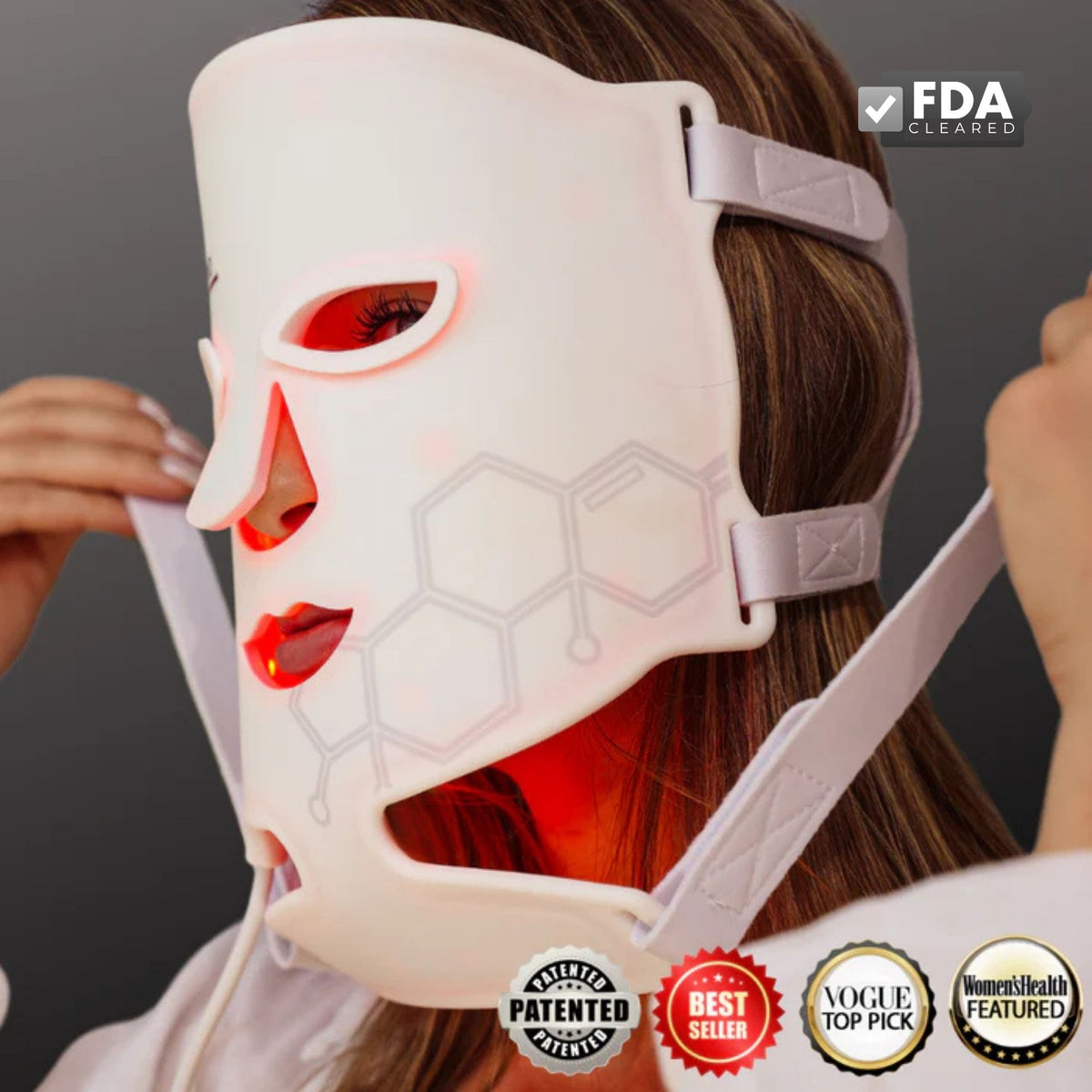






Most people buy a red light mask by looking at one thing: how many bulbs it has. But more LEDs do not always mean better skin. What matters more is wavelength accuracy, even light coverage, diffusion, and the quality of the components inside the mask.
A red light mask is only as good as the light it delivers. If the wavelengths are not accurate or the light does not reach the face evenly, you may not get the results you expect. The best masks are built for consistency, not hype.
More Bulbs Does Not Mean Better Results
Bulb count sounds impressive, but it can be misleading. If the light is uneven, poorly diffused, or missing key areas like the jawline, under eyes, forehead, and smile lines, the number of bulbs does not matter much.
Think of it like watering a garden. Ten leaky hoses are not better than one well-designed sprinkler.
What Actually Matters in a Red Light Mask
When choosing a red light mask, these are the details to look for:
- Accurate wavelengths for red and near-infrared light
- Even coverage across the entire face
- Diffused light, not harsh hotspots
- Quality LED chips that are tested before use
- Stable wiring and components that hold up over time
Red light around 630 nanometers is commonly used for surface-level skin support, while near-infrared light around 810–850 nanometers can reach deeper layers. If the wavelength is off, the device may look impressive but not perform the way it should.
Why Cheap Masks Can Be So Cheap
One of the biggest issues with inexpensive masks is quality control. In manufacturing, some LED chips do not pass testing. They may be inconsistent, unstable, or off-wavelength.
Those rejected components are often what allow cheaper devices to be made at a much lower cost. That is why it is important to know what is actually inside the mask, not just what the packaging claims.
Why I Added PEMF to My Mask
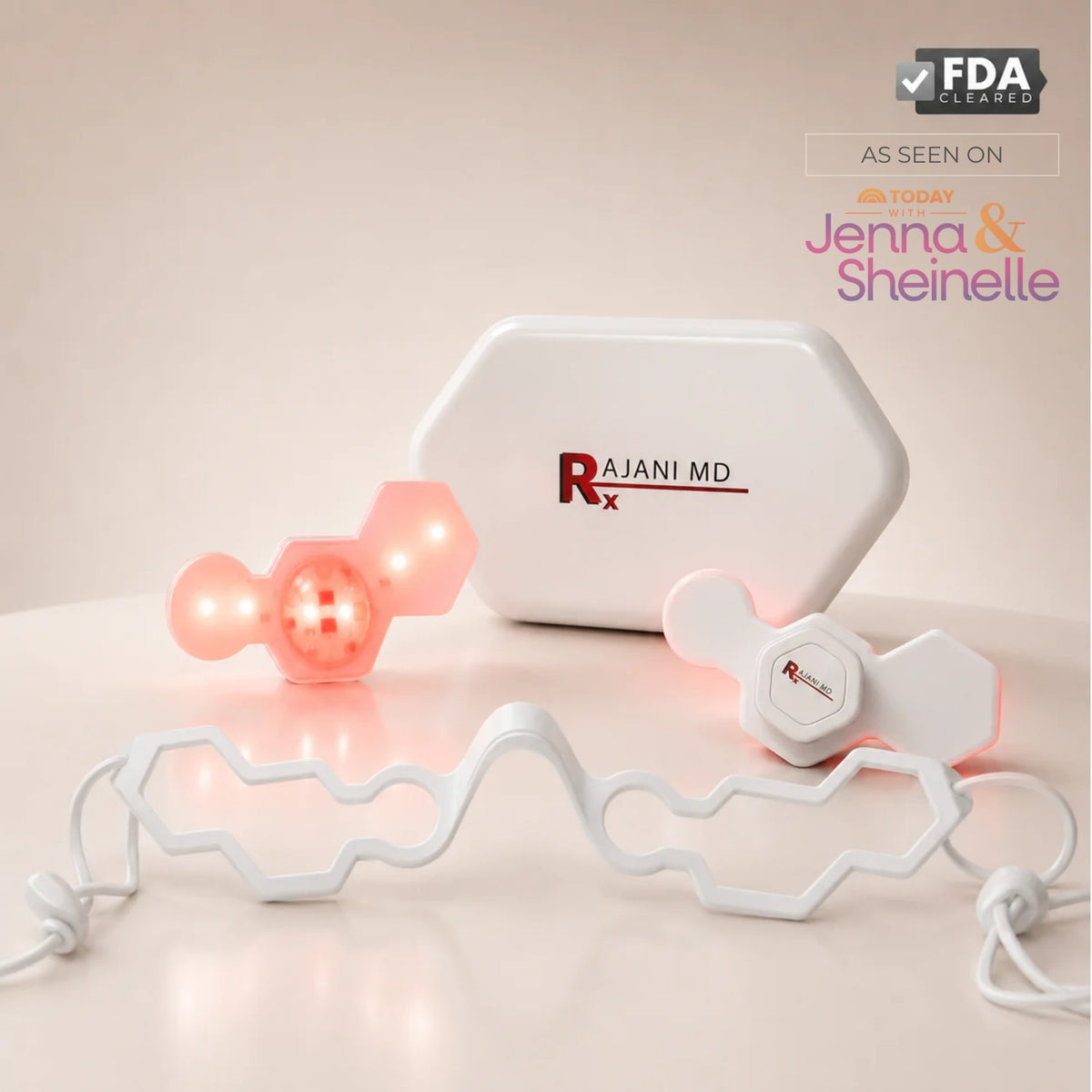
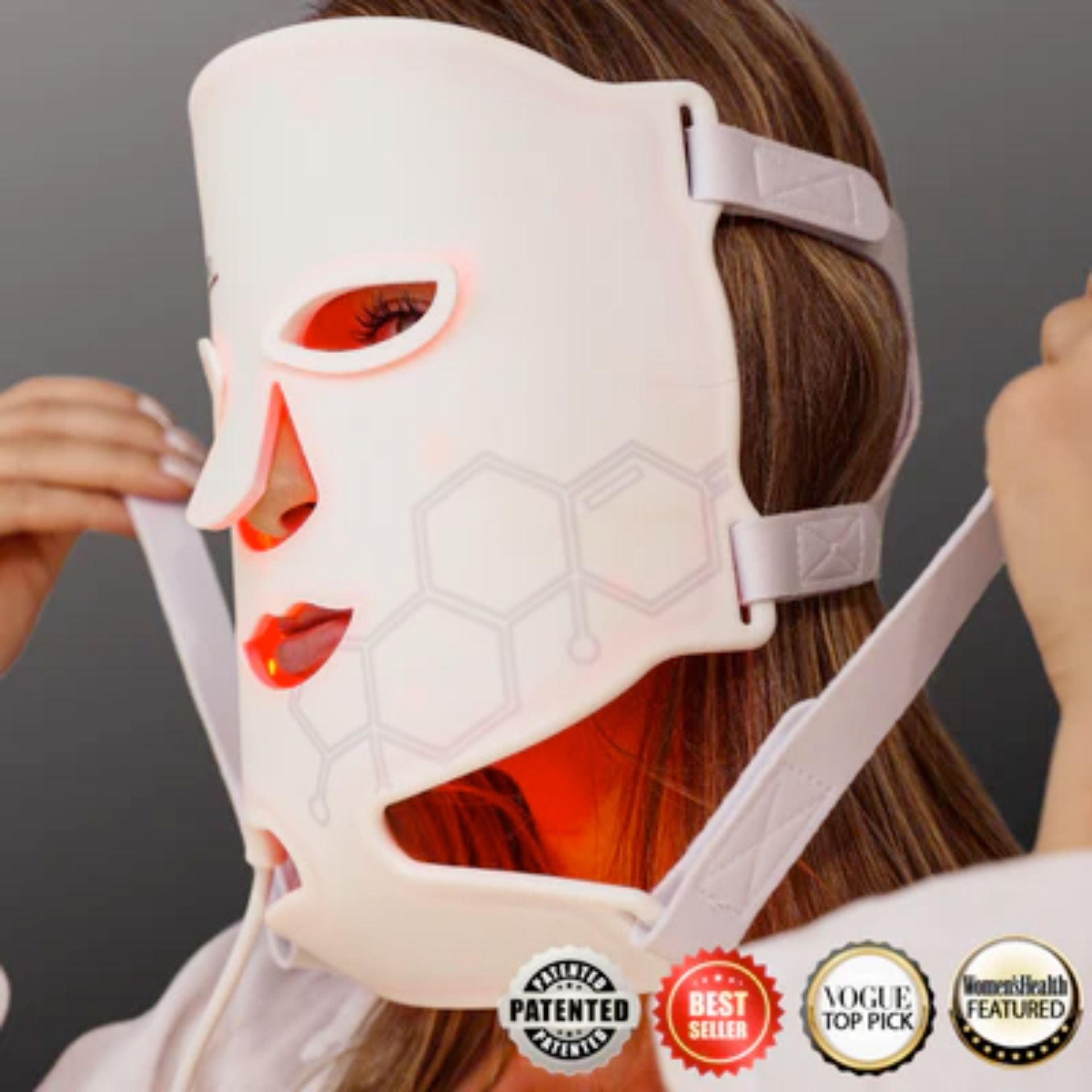
For the PlasmaGLO™ LED HALO Hair, Face and Neck Mask, the goal was not just more bulbs. The focus was precise wavelengths, even diffusion, reliable LED quality, and the addition of PEMF, or pulsed electromagnetic field technology.
The goal is to create a mask that feels more like clinical-grade equipment than a beauty gadget.
Final Takeaway
When buying a red light mask, do not shop by bulb count alone. Look for accurate wavelengths, even coverage, quality components, and strong testing standards.
A well-built red light mask should deliver consistent, diffused light to support a brighter, healthier-looking complexion over time.
Clinical Studies
Red Light Improves Wrinkles & Elasticity
Photobiomodulation Stimulates Collagen
Wavelength Matters for Skin Response
Near-Infrared Penetrates Deeper Tissue
More Videos
DISCLAIMER: This video does not contain any medical or health related diagnosis or treatment advice. Content provided on this YouTube Channel is for informational purposes only. For any medical or health related advice, please consult with a physician or other healthcare professionals. Further, information about specific products or treatments within this video are not intended to diagnose, treat, cure or prevent disease.