


If your eyes look smaller in photos than they used to, it’s rarely just “getting older.” What’s usually changing is the pattern of the upper face—the mechanics that make the area look heavier and more “closed,” even when you feel fine. The mistake most people make is chasing random fixes that either strain the forehead or create more swelling, which can actually make the upper face look heavier.
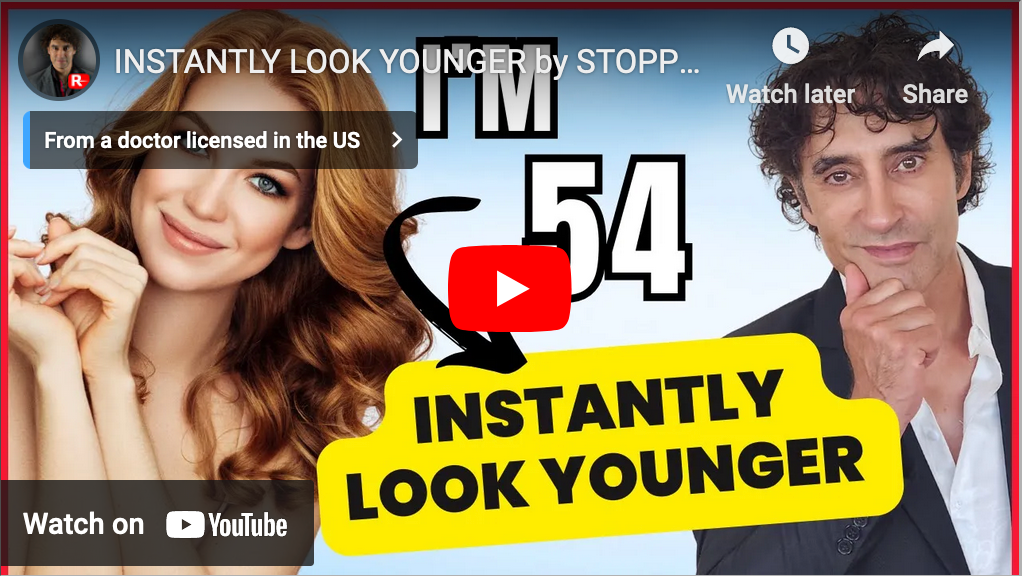
In this video, I break down what’s really happening and I share a simple routine I use because it targets the pattern directly—without forcing the brows up or creating a strained expression.
My 2-Step Routine (5 minutes): Train the Frontalis, Then Gua Sha
This routine works best when you keep it simple, repeatable, and controlled. The point is not intensity. The point is better mechanics.
Step 1: Resistance training to build the frontalis muscle (forehead)
If the frontalis is undertrained (or the wrong muscles are doing all the work), the upper face can start to look heavier over time. This is why I start with resistance training—you’re building capacity in the frontalis so the lift looks more natural and less strained.
Key rule: controlled reps, no “surprised” face, no tension headaches.
Step 2: Gua Sha (reset + refine)
After you activate/strengthen, the Gua Sha step is your reset. This is where technique matters: you want glide, not drag, and light pressure—especially around the upper face. Done gently and consistently, this helps reduce the “heavy” look that shows up in photos.
Keep it:
-
5 minutes total
-
once daily
-
stop before strain
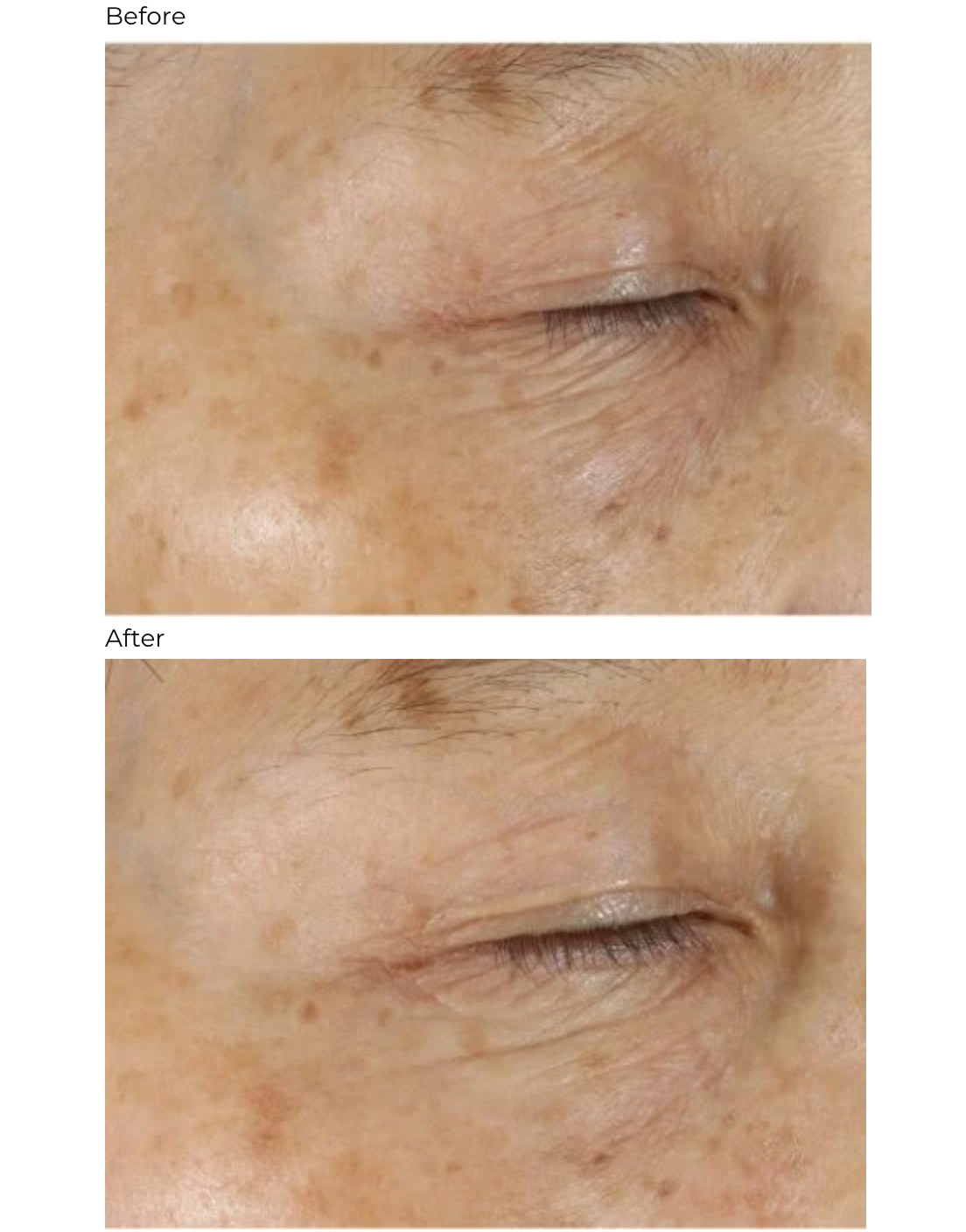
Try it for 5 days, then compare photos (not just the mirror). Look for:
-
eye openness
-
brow position
-
symmetry
-
less “resting tired face”
Clinical Studies On Facial Aging Mechanics and At-Home Facial Exercise
Clinical study: Facial Exercise & Aging (2018)
Clinical trial: Gua Sha & Microcirculation (2007)
More Videos on Upper-Face Lift and Eye Openness
Underrated Eye Lift Method (2025)
Why Botox Will Droop Your Eyes And How To Prevent This
DISCLAIMER: This video does not contain any medical or health related diagnosis or treatment advice. Content provided on this YouTube Channel is for informational purposes only. For any medical or health related advice, please consult with a physician or other healthcare professionals. Further, information about specific products or treatments within this video are not intended to diagnose, treat, cure or prevent disease.