





Skin laxity doesn’t happen overnight. It builds gradually through collagen loss, UV exposure, inflammation, and daily habits that weaken the skin’s support system. If you’re using Gua Sha for sagging skin, technique matters as much as your skincare—because the wrong approach can create drag, irritation, and more puffiness instead of lift.
Quick answer: does Gua Sha help sagging skin?
Yes—Gua Sha for sagging skin can support a more lifted look when it’s done gently and correctly. The biggest keys are glide (not drag), light pressure, the right angle, and intentional direction. Done wrong, it can trigger inflammation and swelling that makes the face look heavier. Done right, it supports facial muscle release and can reduce puffiness over time.
Mistake #1: Skipping collagen protection (especially SPF)
Collagen is the scaffolding that keeps skin firm. Beginning in our 20s, collagen production steadily declines, and without protection the underlying framework weakens—often showing up around the jawline and cheeks. UV exposure accelerates that decline by breaking down collagen and elastin, which contributes to sagging skin and “crepey” texture.
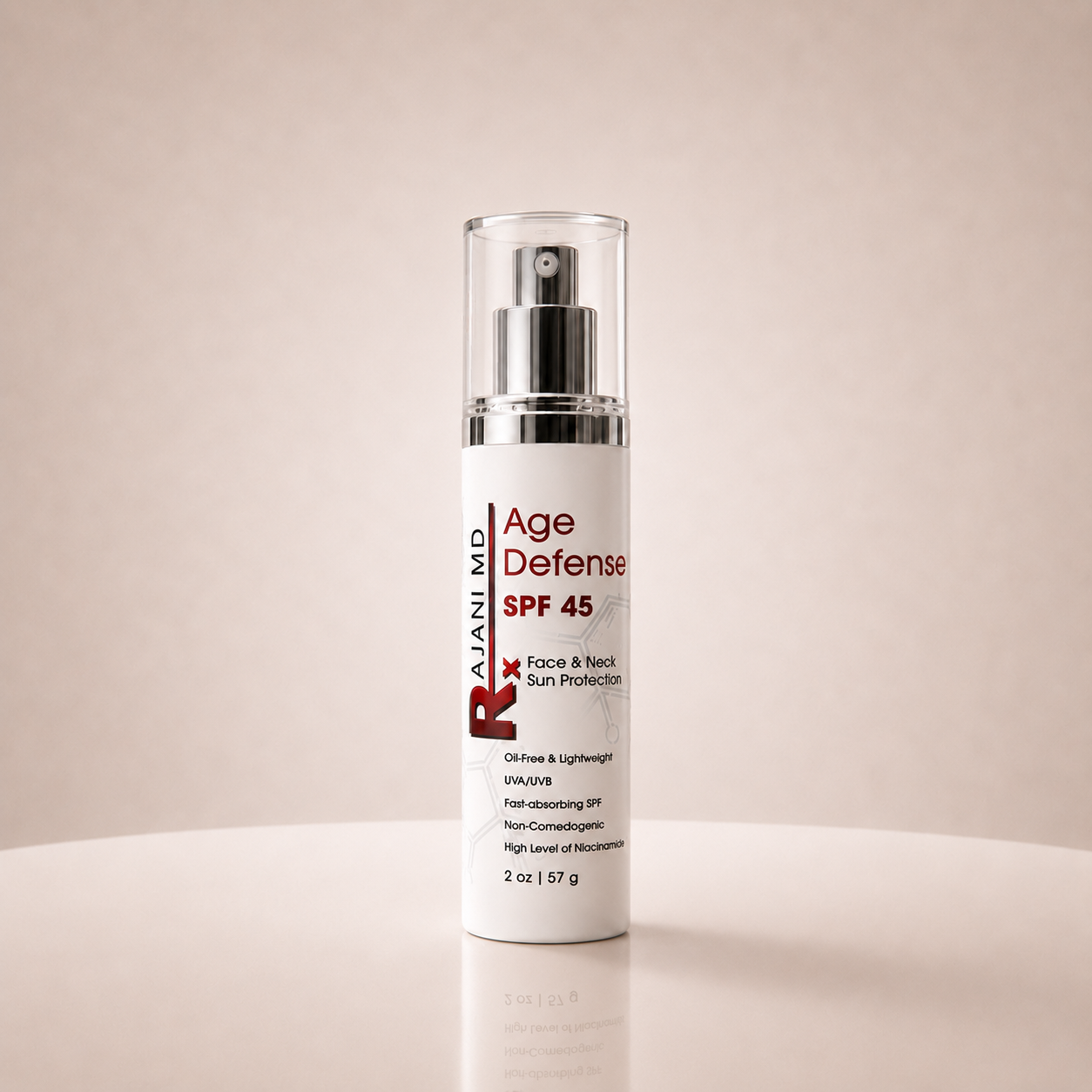
If your goal is skin tightening and firmness, daily broad-spectrum SPF is non-negotiable. And if you’re doing facial massage or Gua Sha, collagen protection matters even more—because you want skin to recover and remodel, not stay irritated.
Mistake #2: Being too aggressive with skincare or tools
Over-exfoliating, using harsh actives without recovery time, or constantly switching products can compromise the skin barrier. Once the barrier is weakened, inflammation rises—and chronic inflammation speeds up collagen breakdown and makes puffiness more noticeable. This is also where many people go wrong with Gua Sha: too much pressure, the wrong angle, and not enough slip.
If you take anything from this post, take this: you need glide, not drag. Prep the skin with enough oil or serum so the tool moves effortlessly. Keep pressure gentle and controlled—this is not aggressive scraping.
Quick technique checklist (simple fixes):
-
Use enough slip so the tool glides (no pulling)
-
Keep pressure light (avoid redness/irritation)
-
Hold the tool flatter to the skin (not upright)
-
Use slow, intentional strokes (not fast back-and-forth)
Mistake #3: Wrong angle, direction, and inconsistency
Angle and direction are what create a more lifted, defined look. If you hold the tool too upright, you concentrate pressure and increase tugging—keep it flatter so the edge doesn’t bite and pull. Direction matters too: strokes should be controlled and anatomy-based, not random.
Finally, don’t overlook lifestyle inflammation. Poor sleep, high sugar intake, unmanaged stress, and ongoing sun exposure all contribute to collagen degradation and skin laxity. A smart strategy is simple: protect collagen daily, support the barrier, reduce inflammation—and use Gua Sha for sagging skin gently, consistently, and strategically.
Clinical Studies Supporting Sagging Skin Prevention
Targeting Multiple Hallmarks of Skin Aging
Defining Skin Aging and Its Risk Factors: A Systematic Review and Meta-Analysis
More Videos on Face Lifting
New Face Tightening Treatment- XERF
4 Simple Inexpensive Options at Home to Fix Your Loose Skin Today
Lower Face Aging (Stop Wasting Your Money)
2 Skin Tightening and Face Lifting Remedies!
EXACT (Step by Step) 3 Minute FACE LIFTING Method !!
DISCLAIMER: This video does not contain any medical or health related diagnosis or treatment advice. Content provided on this YouTube Channel is for informational purposes only. For any medical or health related advice, please consult with a physician or other healthcare professionals. Further, information about specific products or treatments within this video are not intended to diagnose, treat, cure or prevent disease.