





LED face masks have become a popular addition to modern skincare routines. Once primarily used in dermatology clinics and med spas, at-home LED light therapy devices are now widely accessible.
Rather than a trend, LED light therapy is a noninvasive skincare approach that may support skin appearance when used consistently and correctly. In this guide, we’ll break down LED face mask benefits, how LED light therapy works, and how to safely use an LED light therapy mask at home.
What Is an LED Face Mask and How Does It Work?
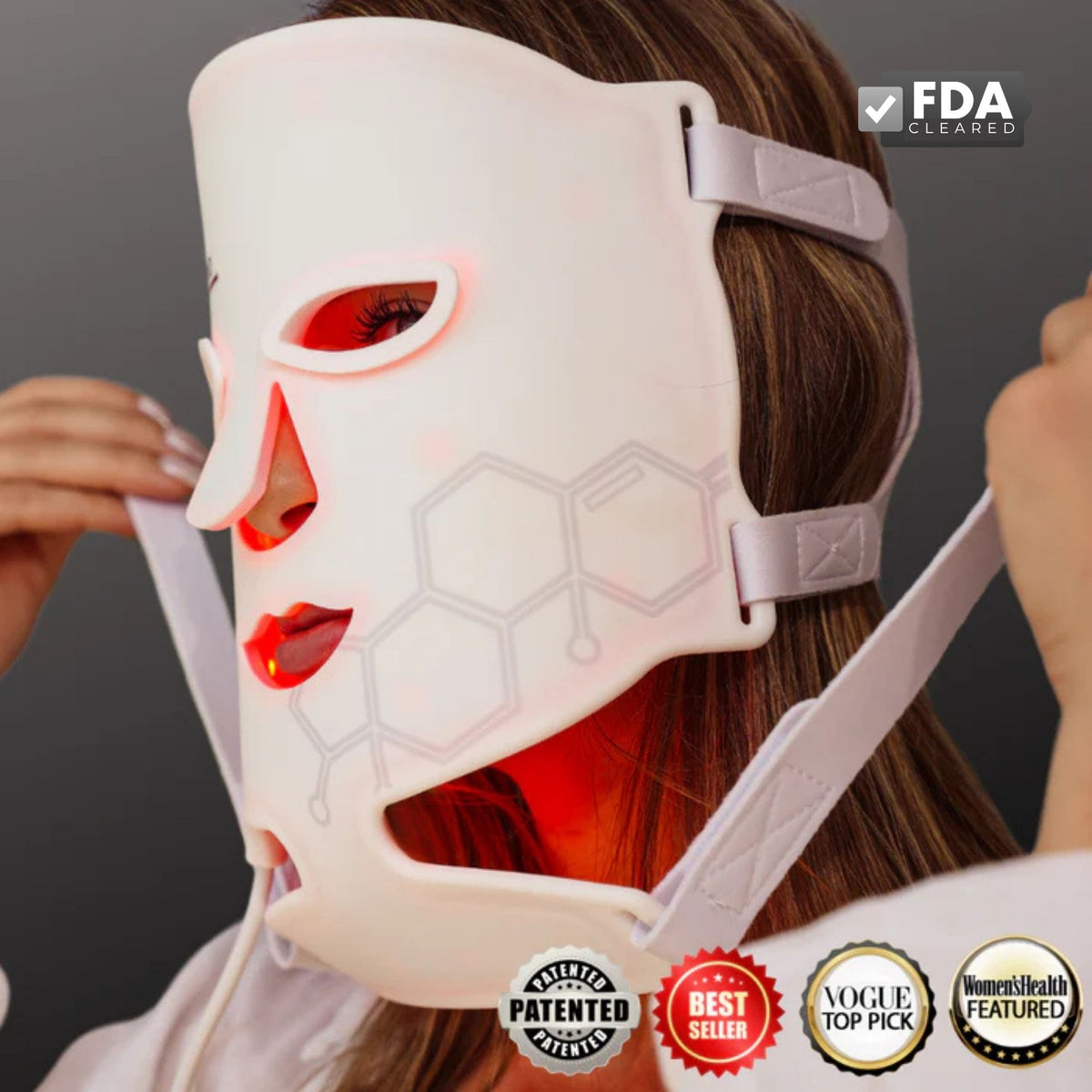
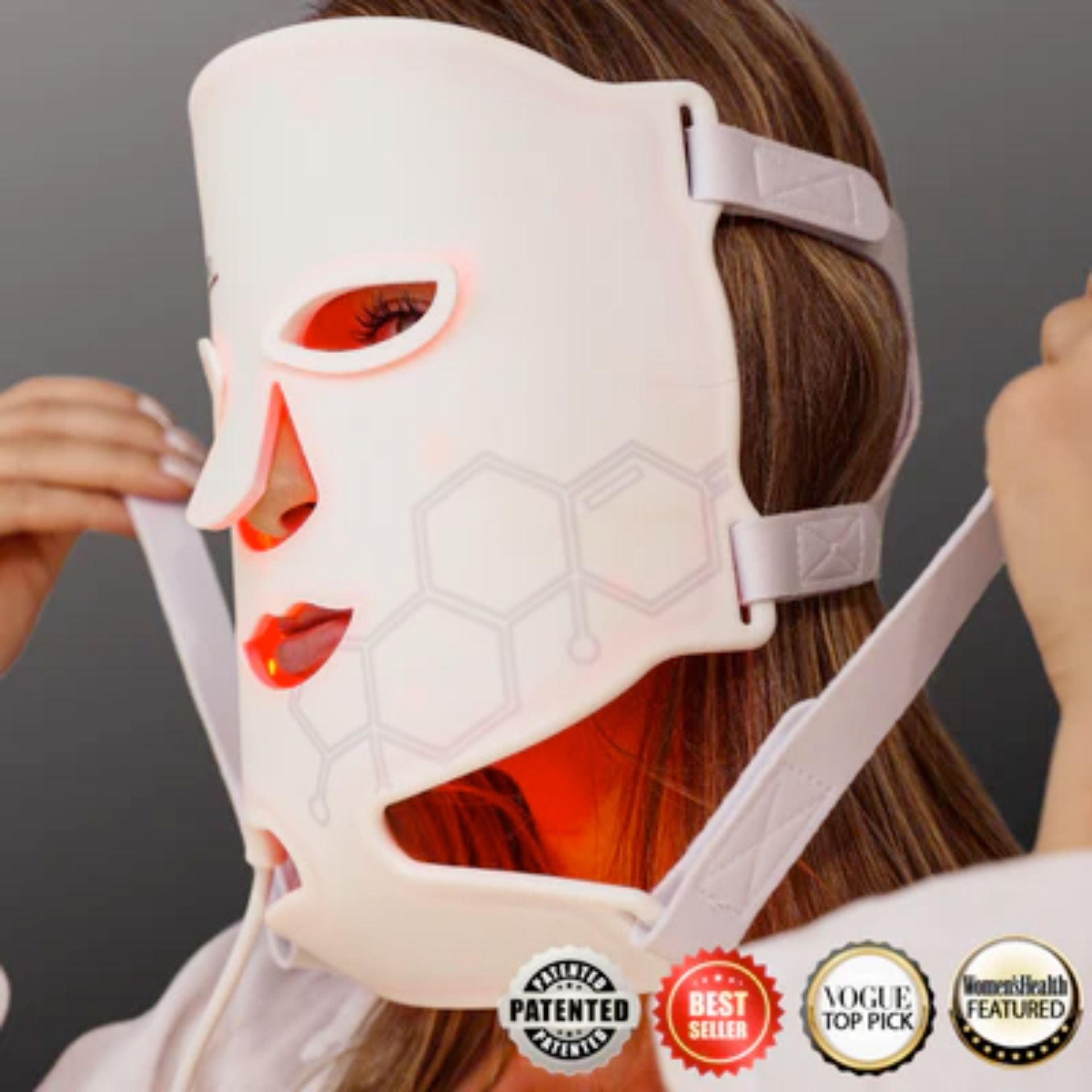
An LED face mask is a light therapy mask that delivers controlled wavelengths of light to the skin. LED stands for Light-Emitting Diode. These devices are noninvasive and do not use UV light.
Different wavelengths are associated with different skin-supporting functions:
-
Red light: commonly used to support the appearance of fine lines and overall skin tone
-
Blue light: often used for acne-prone skin to target breakout-related bacteria
-
Near-infrared light: reaches deeper layers and may help support recovery and reduce the appearance of redness
Understanding how each wavelength works helps you choose the right LED face mask for your goals.
The Science Behind LED Light Therapy
LED light therapy works by delivering light energy to the skin, where it interacts with cells, including the mitochondria. This process may support normal cellular activity associated with skin maintenance.
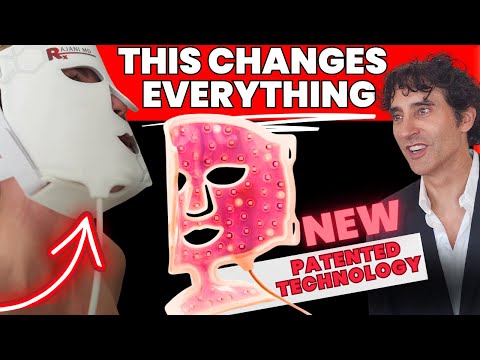
Devices like the PlasmaGlo LED Light Therapy Mask are designed to deliver specific wavelengths used in clinical settings. As an LED face mask and LED skincare device, it offers a structured way to incorporate light therapy into an at-home routine.
Red Light for Skin Support
Red light is commonly used to support collagen-related processes and improve the appearance of skin firmness over time.
Blue Light for Acne-Prone Skin
Blue light may help reduce acne-related bacteria on the skin and support clearer-looking skin when used consistently.
Near-Infrared Light for Recovery
Near-infrared light penetrates deeper into the skin and may help support recovery after treatments and reduce visible redness.
Combination LED Light Therapy
Some LED face masks, including options within the RajaniMD LED collection, combine multiple wavelengths. This allows for broader LED light therapy benefits in a single session using a multi-mode LED light therapy mask.
LED Face Mask Benefits with Consistent Use

LED light therapy is not immediate, but consistent use may support:
Brighter, More Even-Looking Skin
Regular use of an LED face mask may help improve the appearance of skin tone over time.
Support for Acne-Prone Skin
Alternating red and blue light may help reduce visible breakouts and support clearer skin.
Smoother-Looking Skin Texture
Over time, LED light therapy may help improve the appearance of fine lines and overall skin texture.
Post-Treatment Skin Support
LED light therapy may help support recovery after treatments such as exfoliation or microneedling by reducing visible redness.
Results can vary depending on consistency, device quality, and overall skincare routine.
How to Use an LED Face Mask Safely at Home
-
Prepare Your Skin
Start with clean skin. Use a gentle cleanser and apply a lightweight, hydrating serum to support even light distribution. -
Follow Recommended Timing
Most LED face mask sessions range from 10 to 20 minutes. Use 3 to 5 times per week, depending on your device guidelines. -
Start with Lower Intensity
If your LED light therapy mask offers adjustable settings, begin with lower intensity and increase gradually. -
Post-Treatment Care
After your session, apply calming, hydrating skincare. Use sunscreen during the day.
Consistency is more important than intensity when using an LED face mask at home.
Safety Tips and Common Mistakes to Avoid
-
Using an LED face mask over makeup or heavy products
-
Exceeding recommended session times
-
Skipping eye protection if required
-
Ignoring device-specific instructions
-
Using uncertified or low-quality LED skincare devices
Following proper usage guidelines helps ensure safe and effective LED light therapy at home. Stick to clinic-tested devices from trusted brands like ours. At Rajani MD, we blend advanced science with years of aesthetic expertise to deliver doctor-approved, clinic-tested skincare and devices you can trust for real, visible results.
How to Choose the Right LED Face Mask for You

Choosing the right LED face mask depends on your skin goals.
-
Match Wavelength to Skin Needs
-
Red light for visible aging concerns
-
Blue light for acne-prone skin
-
Near-infrared for recovery and redness
Look for Quality and Certification
Choose FDA-cleared or clinically validated LED light therapy masks when possible.
Prioritize Comfort
A well-fitting LED face mask improves consistency and ease of use.
Consider Skincare Compatibility
Pair your LED skincare device with compatible products. Avoid using strong actives immediately before treatment unless directed by a professional.
Devices like the PlasmaGlo LED Light Therapy Mask combine multiple wavelengths, making them a versatile LED face mask and LED skincare device for at-home use.
Integrating LED Light Therapy Into Your Skincare Routine
-
Morning Routine
Use red light therapy alongside a Vitamin C serum to support a brighter-looking complexion. -
Evening Routine
Use red or near-infrared light with hydrating or peptide-based skincare to support overnight recovery. -
Weekly Routine
Incorporate a longer LED facial session followed by a hydrating mask or serum.
Pairing your LED face mask with consistent skincare habits helps support long-term results.
The Future of At-Home Skincare Is Light-Based
LED light therapy offers a noninvasive way to support skin appearance using clinically studied wavelengths. When used consistently, an LED face mask can be a practical addition to an at-home skincare routine.
If you’re exploring LED light therapy, devices like the PlasmaGlo LED Light Therapy Mask provide a structured, at-home option that combines multiple wavelengths in one LED skincare device.
Your skincare results build over time with consistency. A well-designed LED light therapy mask can support that process as part of a broader routine. Start your light-powered journey with Rajani MD.
Clinical Studies
Barolet, Daniel, et al. “Regulation of Skin Collagen Metabolism In Vitro Using a Pulsed 660 nm LED Light Source: Clinical Correlation with a Single-Blinded Study.”
Journal of Cosmetic and Laser Therapy, vol. 11, no. 1, 2009, pp. 25–31,
ScienceDirect, www.sciencedirect.com.
Lee, Sun-Young, et al. “A Controlled Trial to Determine the Efficacy of Red and Near-Infrared Light Treatment in Patient Satisfaction, Reduction of Fine Lines, Wrinkles, Skin Roughness, and Intradermal Collagen Density Increase.”
Dermatologic Surgery, vol. 33, no. 8, 2007, pp. 973–980,
National Center for Biotechnology Information, www.ncbi.nlm.nih.gov.
Russell, Bruce A., et al. “Reversal of Aging Using Red Light and Near-Infrared Light Therapy.”
Photomedicine and Laser Surgery, vol. 23, no. 1, 2005, pp. 21–27,
National Center for Biotechnology Information, www.ncbi.nlm.nih.gov.
Papageorgiou, Panagiota, et al. “Comparison of Blue and Red Light Combination Therapy in the Treatment of Acne Vulgaris.”
British Journal of Dermatology, vol. 142, no. 5, 2000, pp. 973–978,
National Center for Biotechnology Information, www.ncbi.nlm.nih.gov.
Pavicic, Tatjana, et al. “Hyaluronic Acid: A Key Molecule in Skin Aging.”
Journal of Clinical and Aesthetic Dermatology, vol. 4, no. 2, 2011, pp. 27–35,
National Center for Biotechnology Information, www.ncbi.nlm.nih.gov/pmc/articles/PMC3583886/. Accessed 10 Feb. 2026.
National Institutes of Health, Office of Dietary Supplements. Vitamin C Fact Sheet for Health Professionals.
U.S. Department of Health and Human Services,
ods.od.nih.gov/factsheets/VitaminC-HealthProfessional/
DISCLAIMER: This video does not contain any medical or health related diagnosis or treatment advice. Content provided on this YouTube Channel is for informational purposes only. For any medical or health related advice, please consult with a physician or other healthcare professionals. Further, information about specific products or treatments within this video are not intended to diagnose, treat, cure or prevent disease.