




Many people assume makeup is either harmless… or secretly damaging their skin.
The truth is, it’s neither.
Makeup itself is not a primary driver of skin aging. The problem is how it’s used, what it contains, and whether the skin underneath it is properly supported.
This is where most people get it wrong.
What the Evidence Actually Shows
Research does not identify makeup as a direct cause of skin aging. Skin aging is primarily driven by collagen loss, inflammation, oxidative stress, and changes in cellular energy.
However, makeup can influence these pathways indirectly.
Chronic low-level irritation, dehydration, and exposure to environmental pollutants can all affect how skin looks over time. Makeup worn throughout the day may trap pollutants against the skin, increasing oxidative stress.
At the same time, makeup can improve the appearance of skin by evening tone and enhancing contrast. Both can be true.
The key is not avoiding makeup. It’s using it in a way that supports the skin rather than working against it.

Makeup Ingredients That Work Against Your Skin
Not all formulas are equal. Some ingredients can quietly disrupt the skin barrier over time.
Denatured Alcohol
Often used for a lightweight feel, but it can strip natural oils and weaken the barrier. Over time, this may increase dryness and make fine lines more visible.
Synthetic Fragrance
A common source of low-level irritation. Even when you don’t see a reaction, it can gradually affect barrier function.
Parabens and Phthalates
Associated with oxidative stress in skin cells. The concern is not immediate damage, but long-term exposure.
Polyethylene Glycols (PEGs)
These enhance penetration. That can be helpful, but it may also increase exposure to less beneficial ingredients.
Talc
Can settle into fine lines and emphasize texture, especially on dry or dehydrated skin.
Better-tolerated options often include mineral pigments like iron oxides, along with supportive ingredients such as hyaluronic acid, peptides, and vitamins C and E.
The Habits That Age Skin Faster Than Makeup
The problem is rarely just the product. It’s the routine.
Sleeping in Makeup
This interrupts the skin’s overnight repair cycle and keeps pollutants in contact with the skin longer.
Repeated Tugging During Application
Mechanical stress, especially around the eyes, can contribute to collagen breakdown over time.
Harsh Makeup Removal
Aggressive rubbing weakens the skin barrier and increases irritation.
Dirty Brushes
Buildup of oil, bacteria, and residue can lead to ongoing low-level irritation.
Heavy Powder on Dry Skin
This highlights texture instead of smoothing it.
Skipping SPF
This is one of the biggest mistakes. UV exposure is a leading contributor to visible aging.
How to Wear Makeup Without Accelerating Aging
You don’t need to stop wearing makeup. You need a better system.
Prepare the Skin First
Start with hydration and protection. A gentle cleanser like the Gentle Foaming Cleanser supports the skin barrier before anything else goes on top.
Follow with antioxidant support and a broad-spectrum SPF such as Age Defense SPF 45 to reduce daily oxidative stress.
Choose Fragrance-Free Formulas
Lower irritation means better long-term barrier function.
Use a Light Touch
Apply with gentle, upward or patting motions. Avoid pulling the skin.
Double Cleanse at Night
Remove makeup fully before sleep. Start with an oil-based cleanser, then follow with a gentle cleanser to clear residue.
Give Your Skin Breaks
Occasional makeup-free days can support barrier recovery.

The Skincare Routine That Actually Matters
Makeup sits on top of your skin. The real outcome depends on what’s underneath.
Morning
Cleanse, apply vitamin C, and protect with SPF. This helps reduce oxidative stress before makeup is applied.
Evening
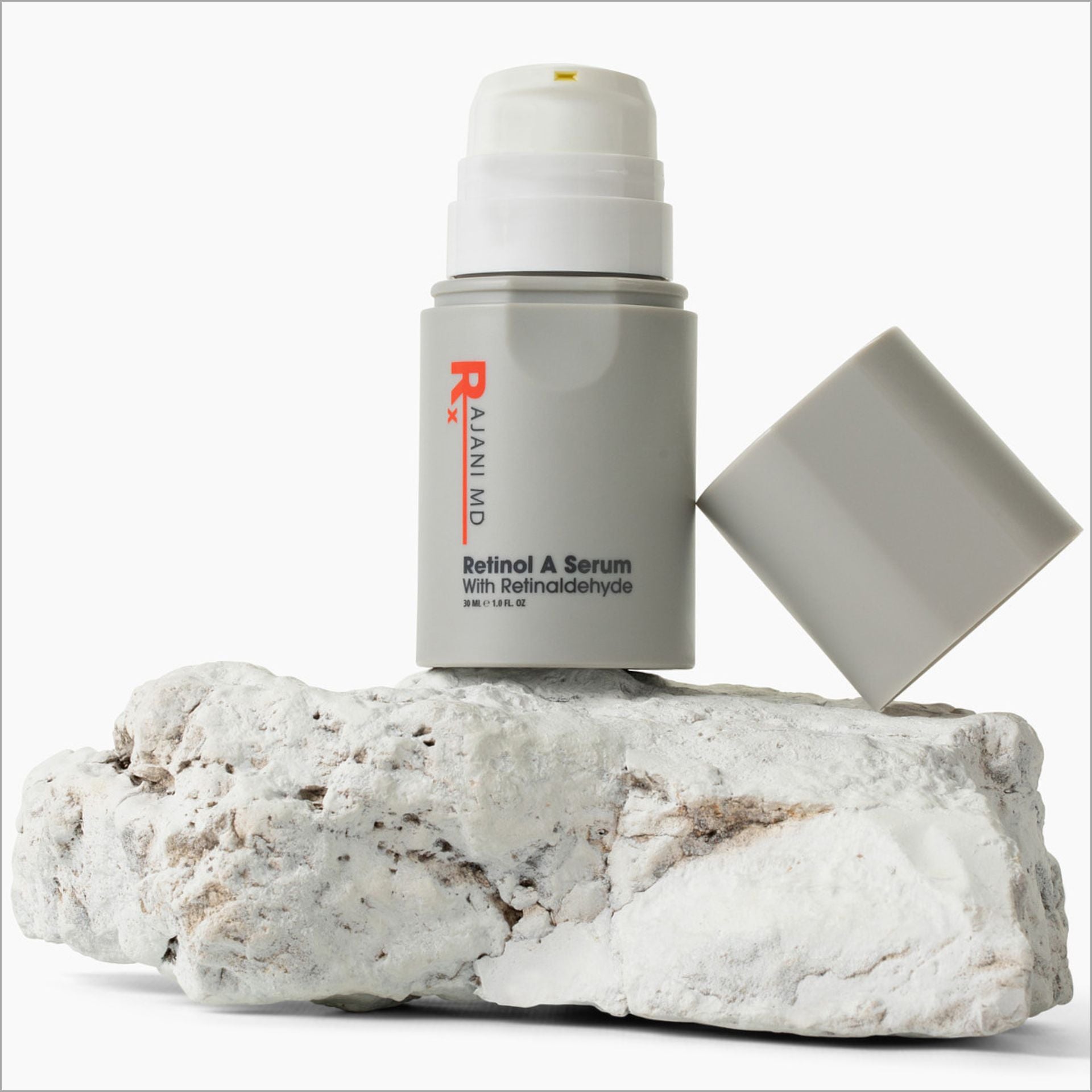
Double cleanse, then use a retinol-based formula like Retinol A Serum to support collagen production and cell turnover.
Finish with hydration using a barrier-supporting moisturizer such as Ultra Moisture.
Advanced Support
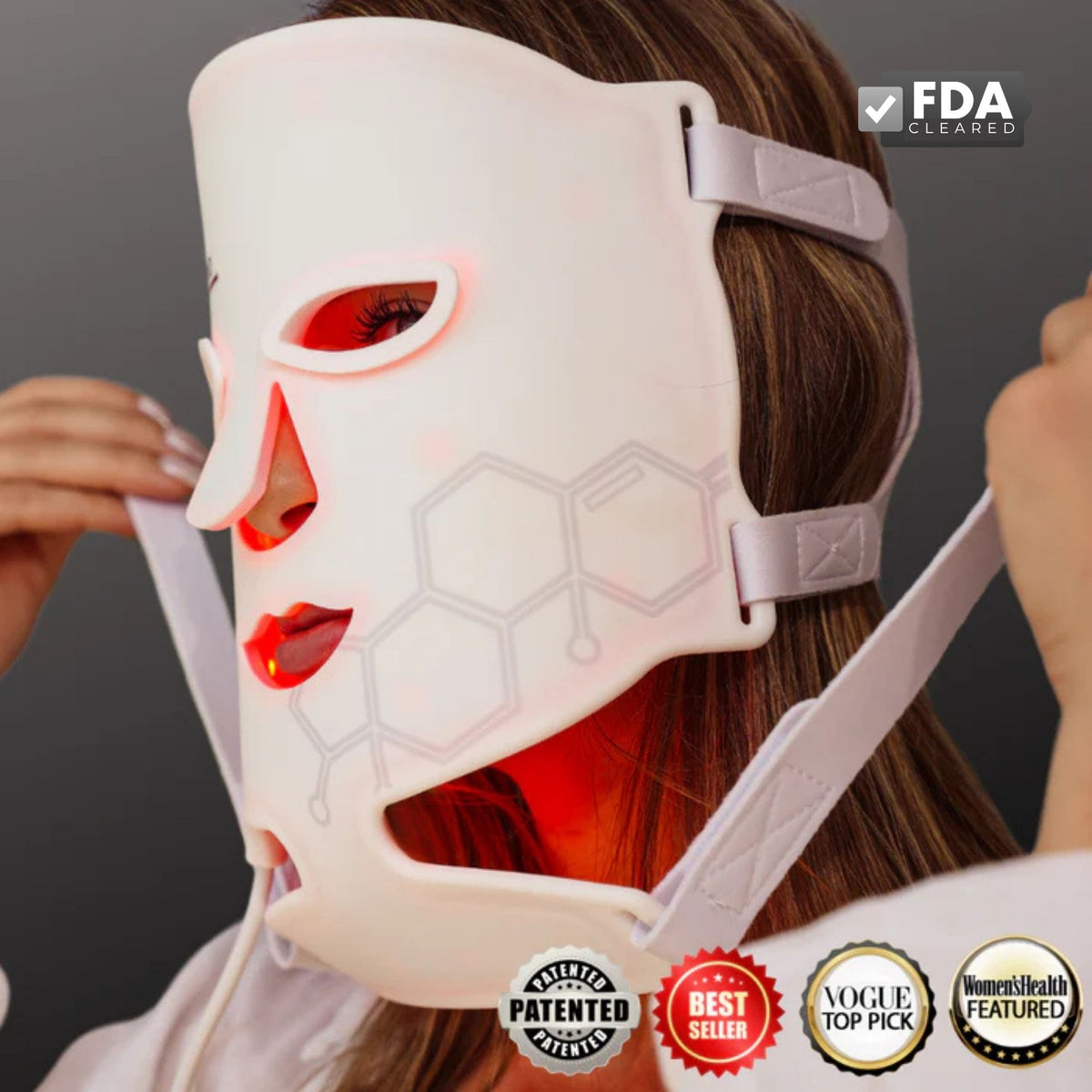
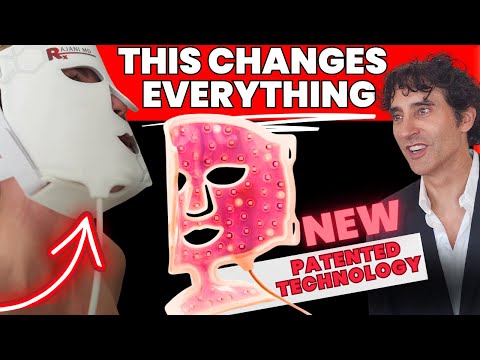
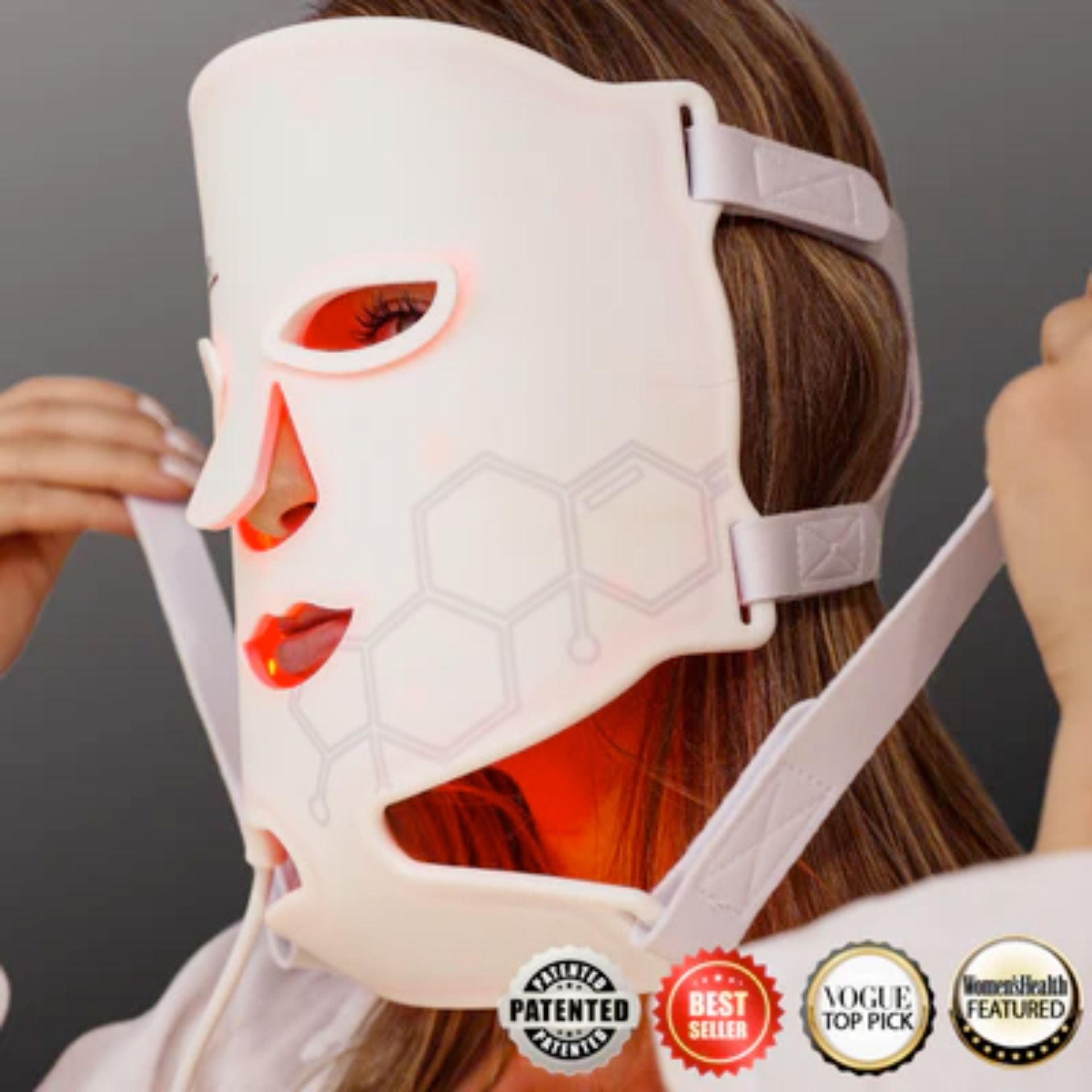
Devices like the PlasmaGLO LED Light Therapy Mask may support cellular energy and collagen activity as part of a broader routine.
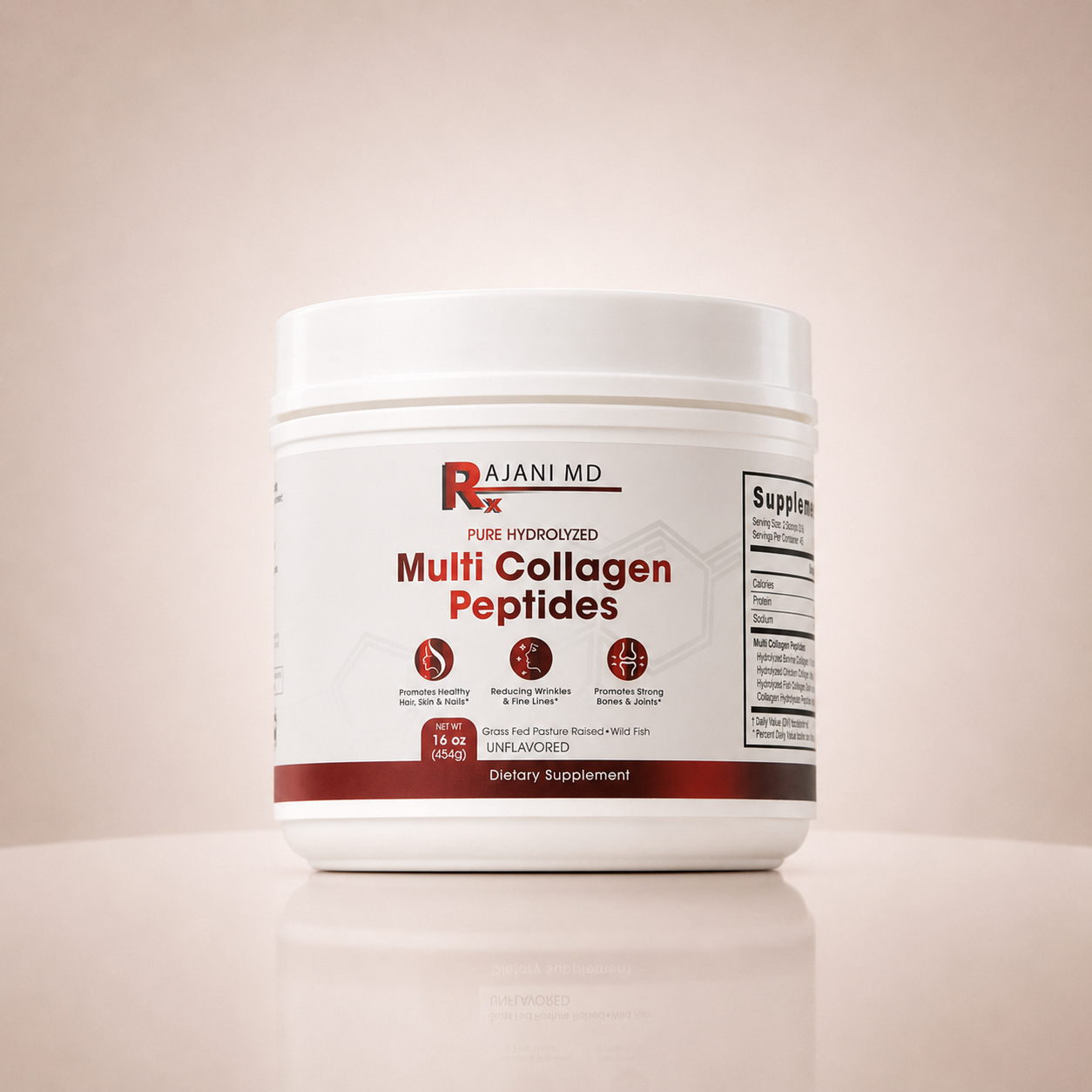
Internal support, including hydration and collagen supplementation, can also play a role in maintaining skin structure over time.
The Bottom Line
Makeup is not the problem.
The problem is poor habits, irritating ingredients, and a lack of skin support underneath.
When used correctly and consistently, makeup and skin health can work together. Skin appears smoother, more even, and more refined, not because of the makeup alone, but because the underlying biology is being supported.
Better outcomes start with understanding how your skin actually works.
Clinical Studies
Prolongo, S.G., et al. "Oxidative Stress and Skin Aging."
Archives of Dermatological Research, vol. 296, 2004, pp. 353-363,
National Center for Biotechnology Information, www.ncbi.nlm.nih.gov/pubmed/15349744.
Rittie, Laure, and Gary J. Fisher. "UV-light-induced signal cascades and skin aging."
Ageing Research Reviews, vol. 1, no. 4, 2002, pp. 705-720,
ScienceDirect, www.sciencedirect.com.
Krutmann, Jean, et al. "The skin aging exposome."
Journal of Dermatological Science, vol. 85, no. 3, 2017, pp. 152-161,
ScienceDirect, www.sciencedirect.com.
Mukherjee, Siddharth, et al. "Retinoids in the Treatment of Skin Aging: An Overview of Clinical Efficacy and Safety."
Clinical Interventions in Aging, vol. 1, no. 4, 2006, pp. 327-348,
National Center for Biotechnology Information, www.ncbi.nlm.nih.gov/pmc/articles/PMC2699641/.
Pullar, Juliet M., et al. "The Roles of Vitamin C in Skin Health."
Nutrients, vol. 9, no. 8, 2017, p. 866,
National Center for Biotechnology Information, www.ncbi.nlm.nih.gov/pmc/articles/PMC5579659/.
Pavicic, Tatjana, et al. "Hyaluronic Acid: A Key Molecule in Skin Aging."
Journal of Clinical and Aesthetic Dermatology, vol. 4, no. 2, 2011, pp. 27-35,
National Center for Biotechnology Information, www.ncbi.nlm.nih.gov/pmc/articles/PMC3583886/.
Elias, Peter M. "Skin barrier function."
Current Allergy and Asthma Reports, vol. 8, no. 4, 2008, pp. 299-305,
National Center for Biotechnology Information, www.ncbi.nlm.nih.gov/pubmed/18606228.
DISCLAIMER: This video does not contain any medical or health related diagnosis or treatment advice. Content provided on this YouTube Channel is for informational purposes only. For any medical or health related advice, please consult with a physician or other healthcare professionals. Further, information about specific products or treatments within this video are not intended to diagnose, treat, cure or prevent disease.