






NASA, Light Therapy, and the Clinical Science Behind PlasmaGLO™ LED HALO Mask
For decades, light-based therapy has been misunderstood as cosmetic or surface-level.
In reality, its origins are far more serious—and far more compelling.
THE HIGHLIGHTS
NASA-Rooted Cellular Science
Red and near-infrared light energize cells by boosting mitochondrial ATP.
Clinically Proven
Skin Support
Improves collagen activity, circulation, and skin texture.
Targeted
Photobiomodulation
Works through cellular stimulation, not thermal injury.
Precision Engineering
Effective results require exact wavelengths and consistent power.
NASA-Rooted Cellular Science
Red and near-infrared light energize cells by boosting mitochondrial ATP.
Clinically Proven
Skin Support
Improves collagen activity, circulation, and skin texture.
Photobio-modulation
Works through cellular stimulation, not thermal injury.
Precision Engineering
Effective results require exact wavelengths and consistent power.
Long before LED devices entered skincare, specific wavelengths of light were studied in extreme environments where healing, recovery, and cellular performance weren’t optional—they were essential. The discoveries made then now form the foundation of modern photobiomodulation, and they explain why properly engineered LED therapy can support skin health in ways topical products alone cannot.
Where Light Therapy Began
Light therapy gained early attention when researchers explored how specific wavelengths could support tissue repair and cellular function in environments where the body struggled to heal efficiently. In low-gravity conditions, circulation slows, inflammation increases, and recovery becomes impaired.
What researchers observed was that red and near-infrared light could help support cellular energy production by interacting with mitochondria—the part of the cell responsible for generating ATP. This wasn’t about appearance. It was about helping the body function better under stress.
That same mechanism is what modern red and near-infrared LED therapy relies on today.
What LED Light Therapy Actually Does
LED (light-emitting diode) therapy delivers specific wavelengths of visible red and near-infrared light to the skin without heat, injury, or downtime. These wavelengths penetrate the skin and are absorbed by cellular structures—particularly mitochondria—leading to increased ATP (adenosine triphosphate) production, improved circulation, and better cellular signaling.
This process, known as photobiomodulation, has been studied extensively and is associated with improvements in tissue repair, inflammation modulation, and skin rejuvenation.
According to clinical research, red and near-infrared LED therapy can support:
- Cellular energy production
- Improved blood flow and oxygenation
- Collagen signaling and dermal support
- Reduction in chronic low-grade inflammation
Importantly, this is energy-based support, not thermal damage.
The Clinical Evidence Behind LED Therapy
Multiple peer-reviewed studies support the biological effects of LED light therapy:
A controlled clinical trial evaluating combined red (~630 nm) and near-infrared (~850 nm) LED therapy found it to be safe, well-tolerated, and effective for skin rejuvenation, with improvements in skin texture and dermal structure after consistent use.
Additional studies demonstrate that red light therapy improves dermal density, collagen organization, and overall skin appearance when used regularly over time.
Research also shows that LED therapy can help reduce inflammation and support wound healing—two key contributors to visible skin aging.
Medical institutions such as the Cleveland Clinic note that red light therapy shows promise for improving wrinkles, redness, and signs of aging through non-thermal cellular stimulation.
Why Skin Aging Isn’t Just About Wrinkles
In clinical practice, skin aging is rarely just about fine lines. It’s about what’s happening beneath the surface:
- Slower cellular energy production
- Reduced circulation
- Impaired collagen signaling
- Chronic inflammation
- Topical skincare products work on the surface and upper layers of the skin, but they cannot directly influence cellular energy or circulation. LED therapy addresses a different layer of skin biology—one that topical products simply can’t reach.
This is why patients often report that their skin doesn’t just look better—it behaves better.
Why Dr. Rajani Developed the PlasmaGLO LED HALO Mask
PlasmaGLO LED HALO was designed using the same principles I rely on in clinical practice:
- Precision over gimmicks
- Long-term skin health over quick fixes
- Technology that supports skin, not stresses it
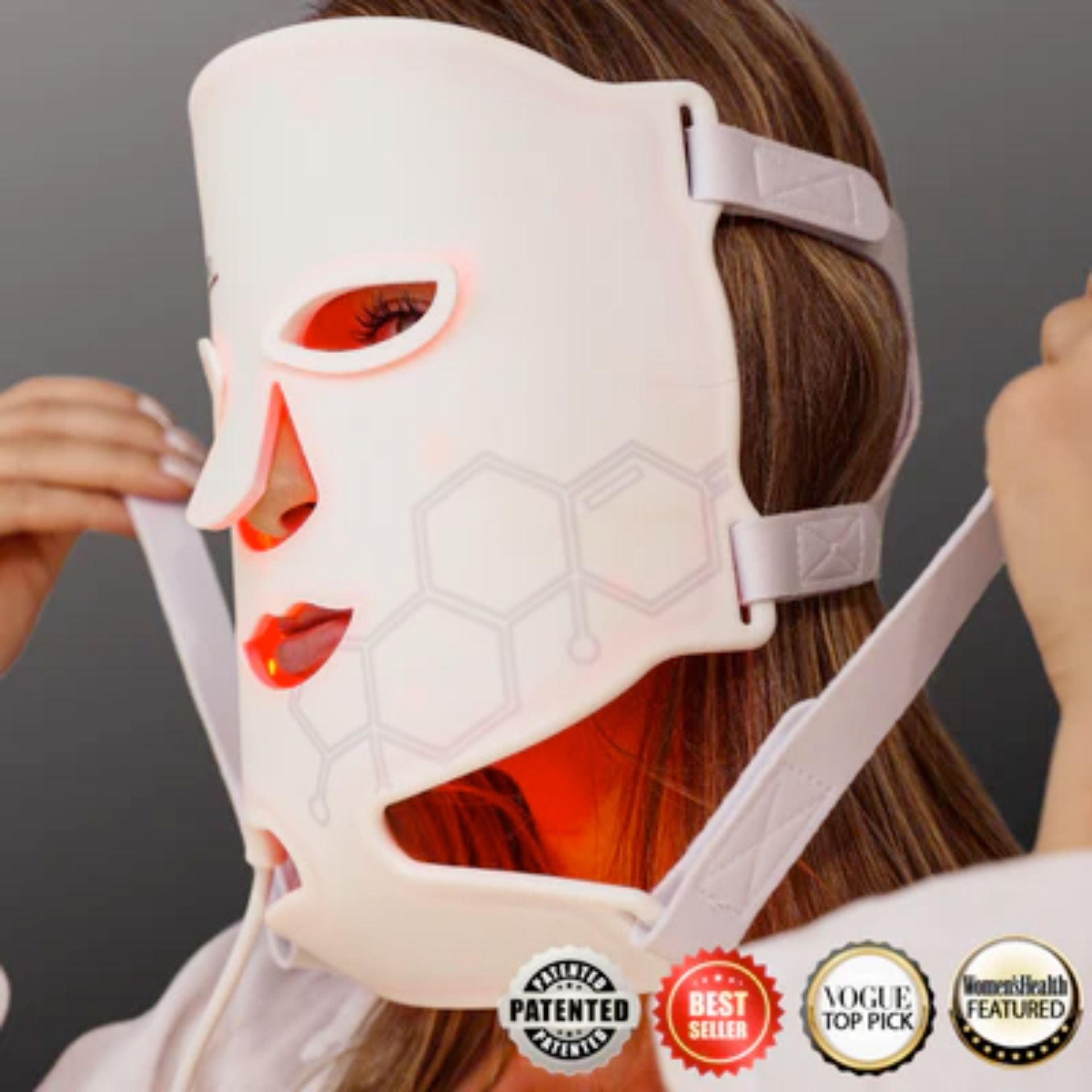
PlasmaGLO LED HALO delivers carefully selected red and near-infrared wavelengths within the ranges shown in clinical research to support collagen production and cellular energy. Its design allows for even exposure across key aging-prone areas—cheeks, jawline, perioral region, and lower face—without heat, pain, or downtime.
Equally important, PlasmaGLO LED HALO was engineered to support skin integrity without compromising facial fat, a concern with many aggressive energy-based treatments.
What to Expect With Consistent Use
LED therapy is cumulative. Just like exercise strengthens muscle over time, consistent light therapy supports skin function progressively.
With regular use, patients may notice:
- Improved skin tone and texture
- Smoother appearance of fine lines
- Increased resilience and calmness in the skin
- Better response to topical skincare
Clinical studies consistently show that visible improvements occur over weeks to months—not overnight—when treatments are performed consistently.
How LED Therapy Fits Into a Skincare Routine
LED therapy does not replace skincare. It enhances it.
By improving circulation and cellular energy, LED therapy helps create an environment where topical products can perform more effectively. This is why I often recommend LED therapy as a foundational step—especially during periods of stress, seasonal change, or visible aging acceleration.
Consistency matters more than intensity.
A Long-Term Perspective on Skin Health
Light therapy isn’t a trend. It’s a biologically grounded technology that supports how skin actually functions as it ages.
PlasmaGLO LED HALO was developed to bring professional-level light therapy into the home safely, intelligently, and with purpose—without downtime or compromise.The goal isn’t instant perfection. The goal is stronger, healthier, more resilient skin—now and in the years ahead.
PlasmaGLO LED HALO is part of a preventative, regenerative approach to skin—designed by a physician, grounded in science, and built for long-term results.
How to Incorporate Our PlasmaGLO LED Halo Mask in Your Routine
- Apply to clean, dry skin.
- Secure the mask with the adjustable strap.
- Activate a 10-minute treatment cycle. - Use 3–5 times per week for visible improvement in 4–8 weeks.
SAFETY & CARE
- No UV, no heat, and no recovery time.
- Safe for all skin tones.
- Clean with a soft cloth after use.
Long before LED devices entered skincare, specific wavelengths of light were studied in extreme environments where healing, recovery, and cellular performance weren’t optional—they were essential. The discoveries made there now form the foundation of modern photobiomodulation, and they explain why properly engineered LED therapy can support skin health in ways topical products alone cannot.
Where Light Therapy Began
Light therapy gained early attention when researchers explored how specific wavelengths could support tissue repair and cellular function in environments where the body struggled to heal efficiently. In low-gravity conditions, circulation slows, inflammation increases, and recovery becomes impaired.
What researchers observed was that red and near-infrared light could help support cellular energy production by interacting with mitochondria—the part of the cell responsible for generating ATP. This wasn’t about appearance. It was about helping the body function better under stress.
That same mechanism is what modern red and near-infrared LED therapy relies on today.
What LED Light Therapy Actually Does
LED (light-emitting diode) therapy delivers specific wavelengths of visible red and near-infrared light to the skin without heat, injury, or downtime. These wavelengths penetrate the skin and are absorbed by cellular structures—particularly mitochondria—leading to increased ATP production, improved circulation, and better cellular signaling.
This process, known as photobiomodulation, has been studied extensively and is associated with improvements in tissue repair, inflammation modulation, and skin rejuvenation.
According to clinical research, red and near-infrared LED therapy can support:
- Cellular energy production
- Improved blood flow and oxygenation
-Collagen signaling and dermal support
- Reduction in chronic low-grade inflammation
Importantly, this is energy-based support, not thermal damage.
The Clinical Evidence Behind LED Therapy
Multiple peer-reviewed studies support the biological effects of LED light therapy:
A controlled clinical trial evaluating combined red (~630 nm) and near-infrared (~850 nm) LED therapy found it to be safe, well-tolerated, and effective for skin rejuvenation, with improvements in skin texture and dermal structure after consistent use.
Additional studies demonstrate that red light therapy improves dermal density, collagen organization, and overall skin appearance when used regularly over time.
Research also shows that LED therapy can help reduce inflammation and support wound healing—two key contributors to visible skin aging.
Medical institutions such as the Cleveland Clinic note that red light therapy shows promise for improving wrinkles, redness, and signs of aging through non-thermal cellular stimulation.
Why Skin Aging Isn’t Just About Wrinkles
In clinical practice, skin aging is rarely just about fine lines. It’s about what’s happening beneath the surface:
- Slower cellular energy production
- Reduced circulationImpaired collagen signaling
- Chronic inflammation
- Topical skincare products work on the surface and upper layers of the skin, but they cannot directly influence cellular energy or circulation. LED therapy addresses a different layer of skin biology—one that topical products simply can’t reach.
This is why patients often report that their skin doesn’t just look better—it behaves better.
Why I Developed PlasmaGLO LED HALO
PlasmaGLO LED HALO was designed using the same principles I rely on in clinical practice:
- Precision over gimmicks
- Long-term skin health over quick fixes
- Technology that supports skin, not stresses it
PlasmaGLO LED HALO delivers carefully selected red and near-infrared wavelengths within the ranges shown in clinical research to support collagen production and cellular energy. Its design allows for even exposure across key aging-prone areas—cheeks, jawline, perioral region, and lower face—without heat, pain, or downtime.
Equally important, PlasmaGLO LED HALO was engineered to support skin integrity without compromising facial fat, a concern with many aggressive energy-based treatments.
What to Expect With Consistent Use
LED therapy is cumulative. Just like exercise strengthens muscle over time, consistent light therapy supports skin function progressively.
With regular use, patients may notice:
- Improved skin tone and texture
- Smoother appearance of fine lines
- Increased resilience and calmness in the skin
- Better response to topical skincare
Clinical studies consistently show that visible improvements occur over weeks to months—not overnight—when treatments are performed consistently.
How LED Therapy Fits Into a Skincare Routine
LED therapy does not replace skincare. It enhances it.
By improving circulation and cellular energy, LED therapy helps create an environment where topical products can perform more effectively. This is why I often recommend LED therapy as a foundational step—especially during periods of stress, seasonal change, or visible aging acceleration.
Consistency matters more than intensity.
A Long-Term Perspective on Skin Health
Light therapy isn’t a trend. It’s a biologically grounded technology that supports how skin actually functions as it ages.
PlasmaGLO LED HALO was developed to bring professional-level light therapy into the home safely, intelligently, and with purpose—without downtime or compromise.
The goal isn’t instant perfection. The goal is stronger, healthier, more resilient skin—now and in the years ahead.
PlasmaGLO LED HALO is part of a preventative, regenerative approach to skin—designed by a physician, grounded in science, and built for long-term results.
CLINICAL STUDIES

National Health Institute (NIH) Public Access Study
This systematic review and meta-analysis investigated the effectiveness of FDA-approved home-use low-level light/laser therapy (LLLT) devices for pattern hair loss (PHL) treatment.
DOWNLOAD STUDY
Lasers in Surgery and Medicine by Wiley Periodicals
This review surveys the evidence and mechanisms for low-level laser therapy (LLLT) as a treatment for hair loss, a common disorder, particularly androgenetic alopecia (AGA).
DOWNLOAD STUDY
Journal of Clinical and Aesthetic Dermatology Study
This review examines the evidence for Low-Level Laser (Light) Therapy (LLLT) as a treatment for hair loss, discussing its use, mechanisms, and findings in animal models and clinical trials.
DOWNLOAD STUDYCLINICAL STUDIES

National Health Institute (NIH) Public Access Study
This systematic review and meta-analysis investigated the effectiveness of FDA-approved home-use low-level light/laser therapy (LLLT) devices for pattern hair loss (PHL) treatment.
DOWNLOAD STUDY
Lasers in Surgery and Medicine by Wiley Periodicals
This review surveys the evidence and mechanisms for low-level laser therapy (LLLT) as a treatment for hair loss, a common disorder, particularly androgenetic alopecia (AGA).
DOWNLOAD STUDY
Journal of Clinical and Aesthetic Dermatology Study
This review examines the evidence for Low-Level Laser (Light) Therapy (LLLT) as a treatment for hair loss, discussing its use, mechanisms, and findings in animal models and clinical trials.
DOWNLOAD STUDY
ABOUT THE AUTHOR
At RajaniMD, our work is guided by decades of clinical experience and a deep respect for the science of skin biology. Founded by Dr. Anil Rajani, our team is driven by one mission: to develop physician-designed technologies that strengthen skin at the cellular level and support long-term skin health. Every innovation is rooted in clinical science, precision engineering, and a commitment to helping skin function better—not just look better.