




Loose Neck Skin Treatment: What Actually Works After 40
Your neck often tells the truth before your face does. When people ask me about the best loose neck skin treatment, the answer is not always to tighten more. The neck ages differently than the face, and if you treat it too aggressively, you can make thin, crepey skin look worse.
After 40, the neck can lose collagen, fat, and structural support. The goal is not to shrink everything down. The goal is to support the skin, protect the fat, and stimulate collagen in a controlled way.
What Actually Helps Loose Neck Skin?
The best approach is controlled collagen stimulation paired with consistent skin support. You want to improve skin quality without damaging the delicate structure of the neck.
Aggressive treatments may create temporary tightening, but they do not always create a younger-looking neck long term. Healthy-looking neck skin comes from texture improvement, collagen support, circulation, and maintenance.
Why the Neck Ages So Quickly
The neck has thinner skin and fewer oil glands than the face. That means it becomes dry, crepey, and lax faster.
Fat loss also plays a major role. Aging, weight loss, and GLP-1-related changes can make loose neck skin appear suddenly more obvious. This is why a neck that looked beautiful at 30 may feel fragile or loose by 50 or 55.
Loose Neck Skin Treatment: Tightening Is Not Always Rejuvenation
A lot of people think tighter automatically means younger. But shrinking is not youth.
When the neck is overtreated with aggressive radiofrequency, deep ultrasound, or too much heat, you may risk reducing fat in areas where you actually want to preserve it. That can make the neck and lower face look thinner, older, and less supported.
What I Would Be Careful With
The neck is not the place to be reckless. Be cautious with:
- Aggressive at-home RF microneedling
- Deep heat without temperature control
- “More is better” microneedling
- Harsh exfoliation on thin neck skin
- Random serums used after rolling or needling
- Treatments that create inflammation without a clear purpose
The neck does not need punishment. It needs precision.
My 2-Step At-Home Neck Protocol
Step 1: Controlled Collagen Signaling
Shallow derma rolling can be helpful when done correctly. I prefer controlled rolling around 0.25 mm to 0.5 mm. The goal is not to go deeper, bleed more, or create trauma.
The goal is skin signaling.
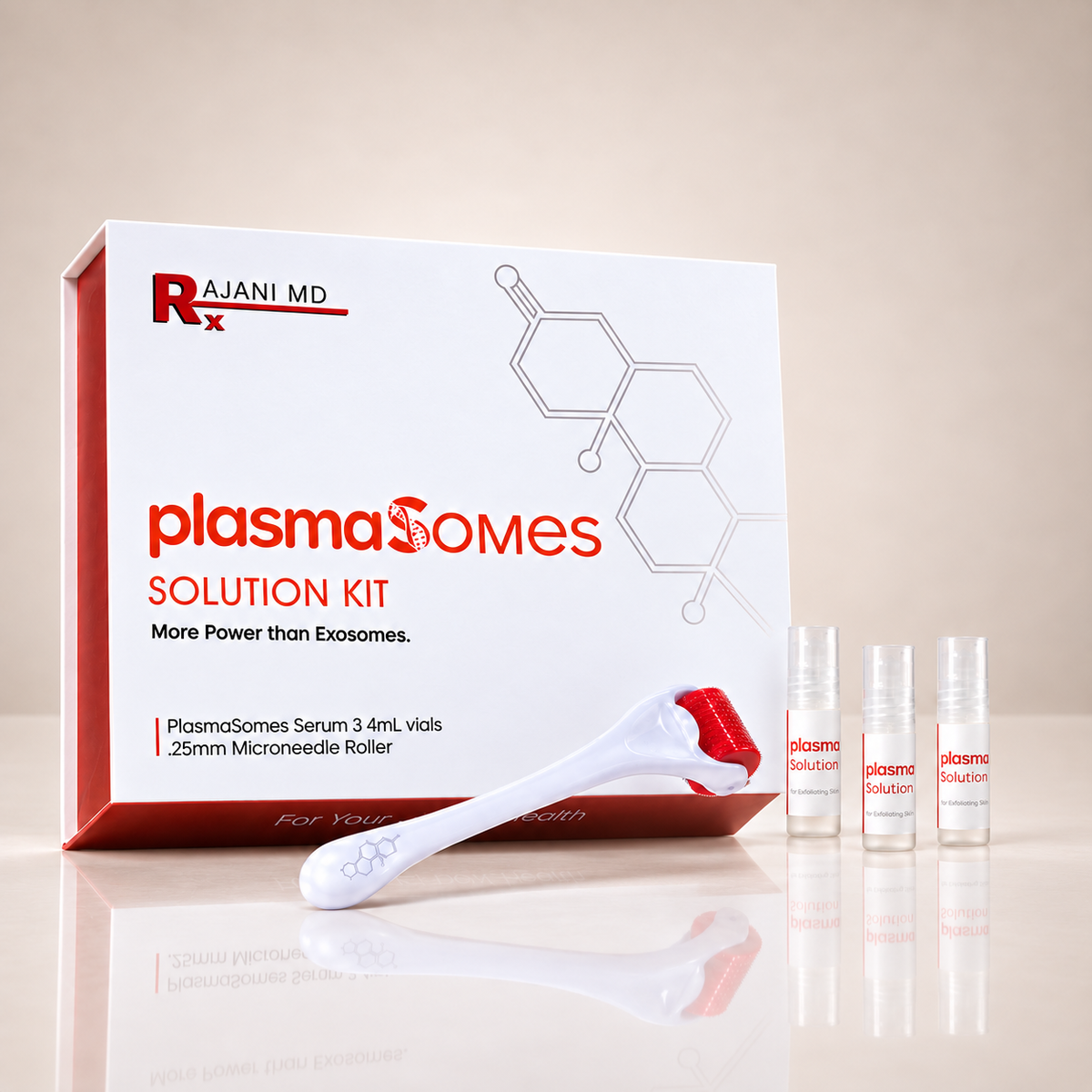
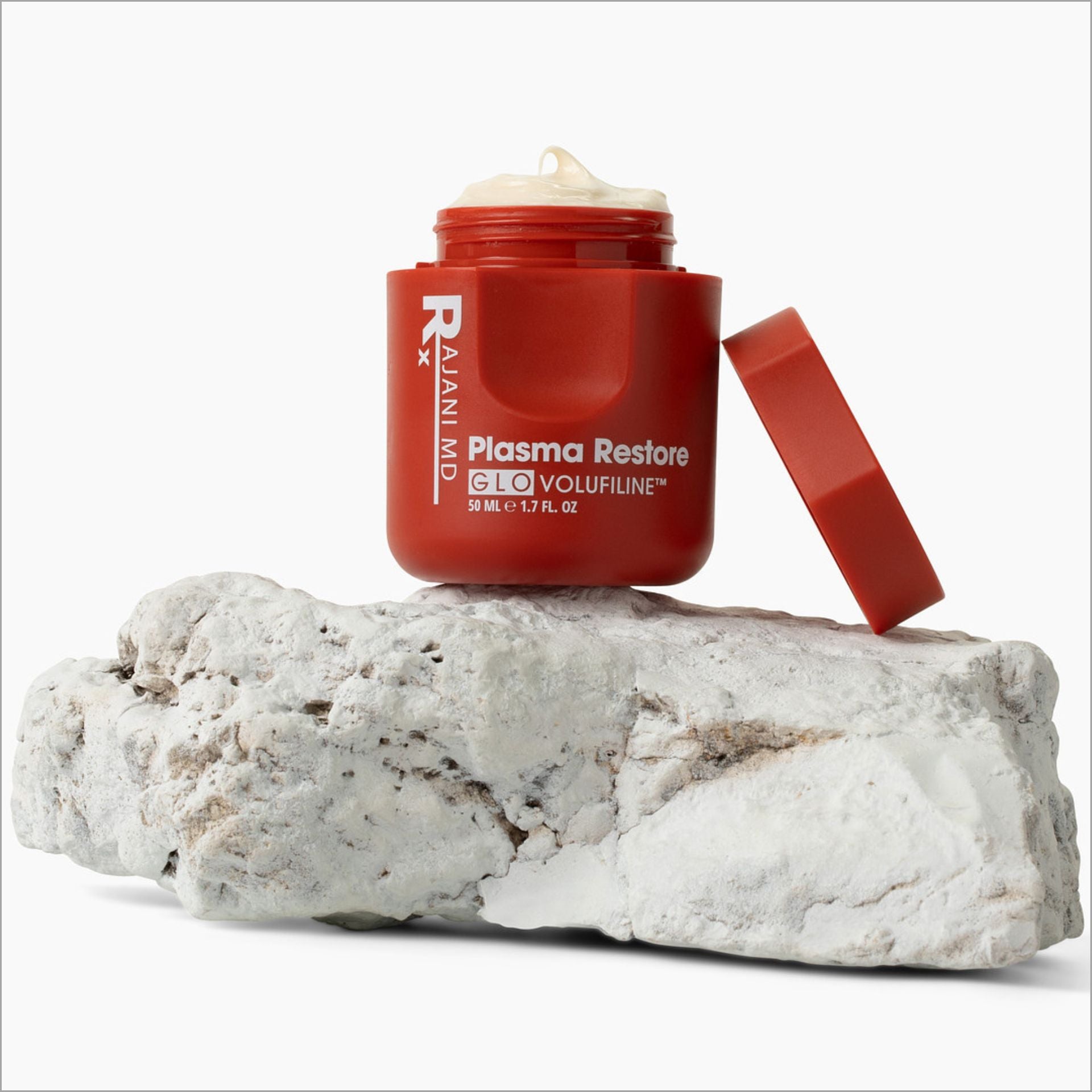
Use a high-quality, sterile roller and pair it with a product designed for post-rolling support. This is where plasmaSOMES™ / Micro-Needle Kit can fit beautifully. They are non-human-based exosome signals made in a lab, without human DNA or RNA, and they help support collagen signaling.
Step 2: Controlled At-Home Tightening
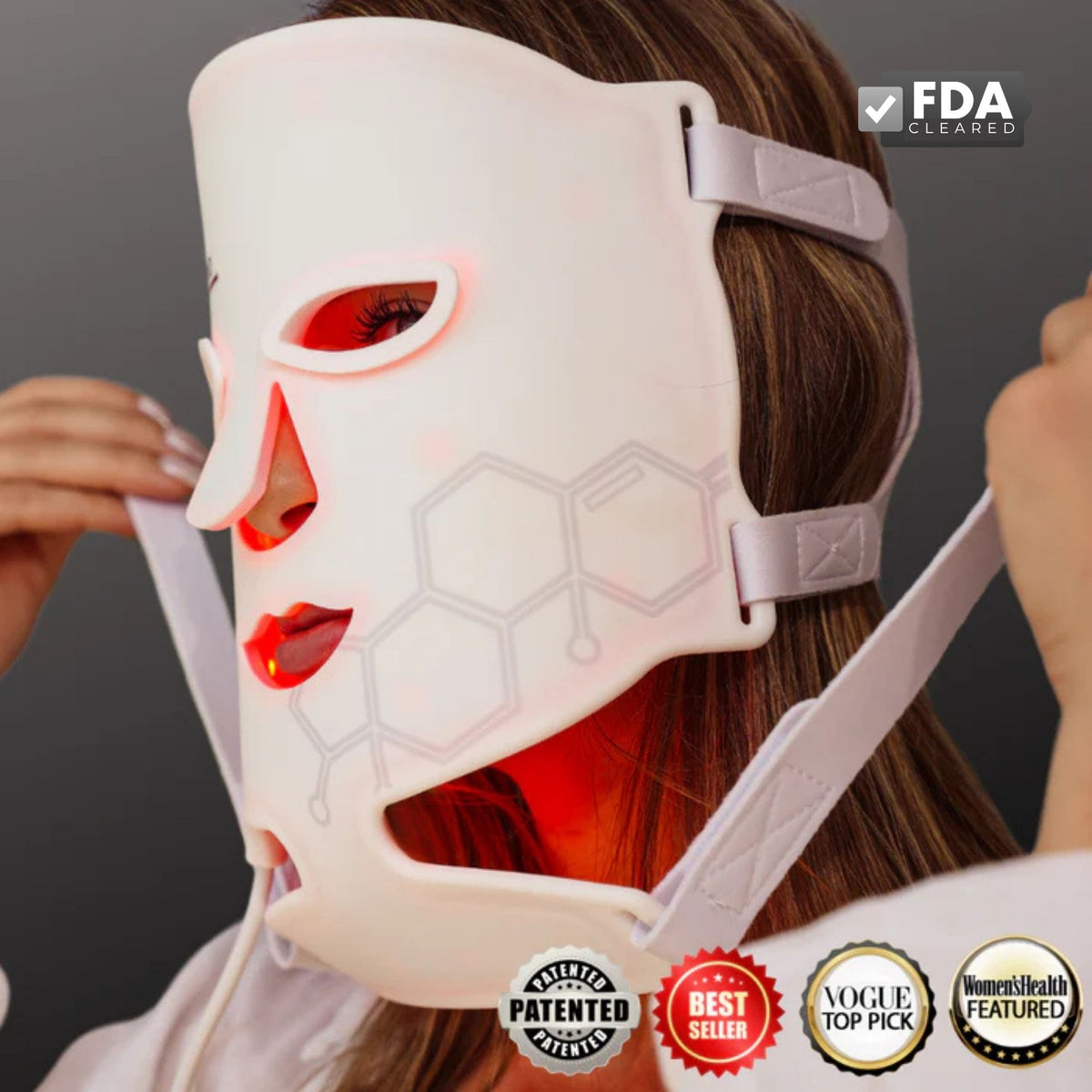
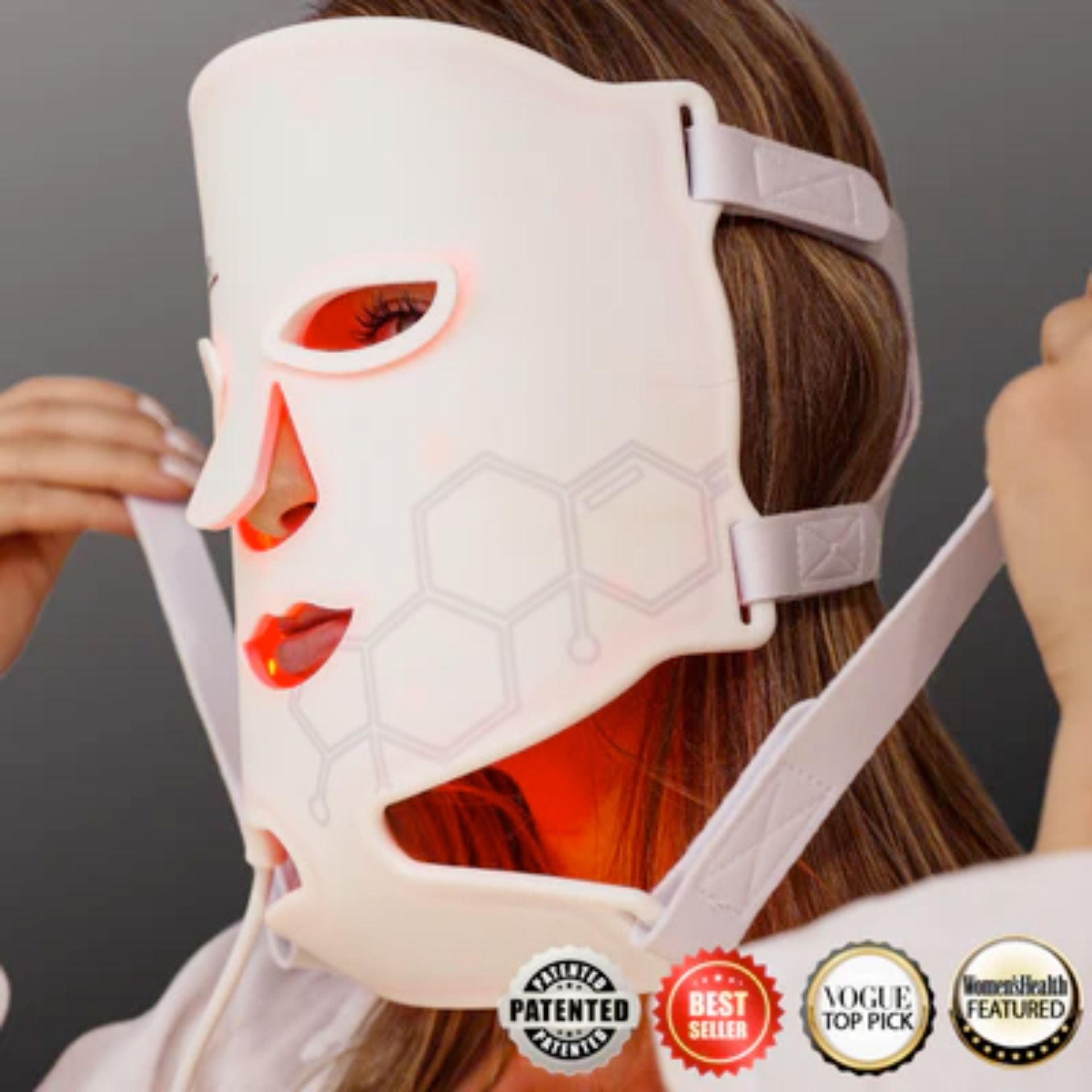
The second step is controlled heat for deeper support. I prefer at-home bipolar radiofrequency with temperature control and safety shutoff, especially for the neck.
You want enough stimulation to support collagen remodeling, but not so much heat that you risk damaging fat. Consistency matters more than intensity.
What About Neck Tape, Exercises, and Skin Hacks?
Neck tape can help temporarily, especially for photos or video. Simple neck exercises may be useful when done consistently. Gentle exfoliation can help texture, but the neck cannot tolerate the same intensity as the face.
Viral hacks and kitchen masks may feel fun, but they will not rebuild structure.
Final Thoughts
A smart loose neck skin treatment should support collagen, improve texture, protect fat, and respect the delicate structure of the neck. It should not be about burning, shrinking, or chasing every new trend. The best necks are usually not the most aggressively treated. They are the most consistently maintained.
Clinical Studies
Complications After Reduction Mammaplasty
Reconstruction of Medial Lower Lip Defects After Tumor Surgery
Subclinical Atherosclerosis in Patients with Hidradenitis
Microfocused Ultrasound for Skin Tightening
More Videos
DISCLAIMER: This video does not contain any medical or health related diagnosis or treatment advice. Content provided on this YouTube Channel is for informational purposes only. For any medical or health related advice, please consult with a physician or other healthcare professionals. Further, information about specific products or treatments within this video are not intended to diagnose, treat, cure or prevent disease.